
Union Budget 2026: Increased capex spending, enhanced coverage under Ayushman Bharat — 10 Big takeaways from Interim Budget 2024
Union Budget 2026: Before India heads into Union Budget 2026, revisiting the key announcements and economic fundamentals from the Interim Budget 2024–25 helps understand the direction of fiscal policy.
- Jan 27, 2026,
- Updated Feb 1, 2026 12:00 PM IST
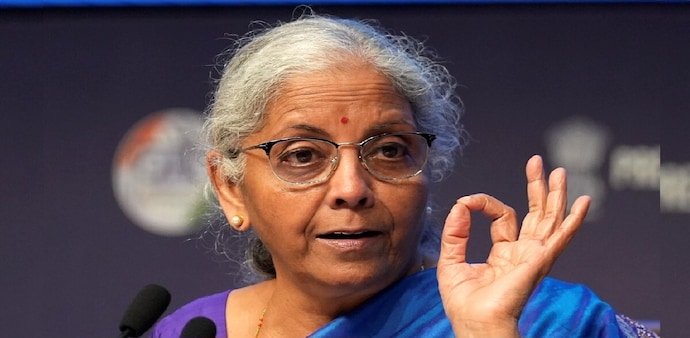
Budget 2026 | Union Finance Minister Nirmala Sitharaman’s presented her ninth consecutive Budget in the Parliament on February 1 2026. The Finance Minister emphasised that the government has consistently chosen reform over rhetoric and addressed global uncertainty.
Here are 10 key things to know about the Interim Budget 2024 and why it remains relevant as India heads into Budget 2026.
1. Increased infrastructure spending
The Interim Budget boosted infrastructure outlay by around 11.1%, allocating roughly ₹11.1 lakh crore for capital expenditure to strengthen transport, logistics and connectivity projects.
2. Fiscal deficit target set
The fiscal deficit for FY25 was targeted at 5.1% of GDP, aiming to balance growth and fiscal prudence. This figure is a cornerstone of India’s budgetary discipline.
3. Focus on housing for the middle class
A dedicated Housing for the Middle Class scheme was announced to support homeownership and construction, addressing a long-standing need for the urban middle class.
4. Health and nutrition initiatives
The budget included expansion of health coverage under Ayushman Bharat and promotion of cervical cancer vaccination for girls aged 9 -14, signalling a focus on preventive healthcare.
5. Rooftop solar and free electricity
Provision was made to enable one crore households to take up rooftop solar with up to 300 free units of electricity per month, promoting renewable energy adoption.
6. Tax demand relief
Outstanding direct tax demands up to certain thresholds were withdrawn, benefiting around 1 crore taxpayers and reducing compliance burdens.
7. Support for social and development programs
The Interim Budget continued support for key schemes like Pradhan Mantri Awas Yojana (Grameen) and nutrition programmes like Saksham Anganwadi & Poshan 2.0, strengthening social safety nets.
8. Infrastructure projects boost
Projects such as the three major railway corridor programs, the expansion of airports under UDAN, and logistics enhancements under PM Gati Shakti were emphasised to drive economic mobility.
9. Macro policy stability
The budget reinforced India’s macroeconomic outlook with a projected nominal GDP growth of around 10.5% for FY25, a sign of confidence in sustained expansion.
10. Key budget terminology made clear
Understanding terms like Fiscal Deficit, Revenue Expenditure, Capital Expenditure, and GDP is crucial to decode budget priorities and economic health. These concepts were highlighted as essential for students and citizens alike.
Budget 2026 | Union Finance Minister Nirmala Sitharaman’s presented her ninth consecutive Budget in the Parliament on February 1 2026. The Finance Minister emphasised that the government has consistently chosen reform over rhetoric and addressed global uncertainty.
Here are 10 key things to know about the Interim Budget 2024 and why it remains relevant as India heads into Budget 2026.
1. Increased infrastructure spending
The Interim Budget boosted infrastructure outlay by around 11.1%, allocating roughly ₹11.1 lakh crore for capital expenditure to strengthen transport, logistics and connectivity projects.
2. Fiscal deficit target set
The fiscal deficit for FY25 was targeted at 5.1% of GDP, aiming to balance growth and fiscal prudence. This figure is a cornerstone of India’s budgetary discipline.
3. Focus on housing for the middle class
A dedicated Housing for the Middle Class scheme was announced to support homeownership and construction, addressing a long-standing need for the urban middle class.
4. Health and nutrition initiatives
The budget included expansion of health coverage under Ayushman Bharat and promotion of cervical cancer vaccination for girls aged 9 -14, signalling a focus on preventive healthcare.
5. Rooftop solar and free electricity
Provision was made to enable one crore households to take up rooftop solar with up to 300 free units of electricity per month, promoting renewable energy adoption.
6. Tax demand relief
Outstanding direct tax demands up to certain thresholds were withdrawn, benefiting around 1 crore taxpayers and reducing compliance burdens.
7. Support for social and development programs
The Interim Budget continued support for key schemes like Pradhan Mantri Awas Yojana (Grameen) and nutrition programmes like Saksham Anganwadi & Poshan 2.0, strengthening social safety nets.
8. Infrastructure projects boost
Projects such as the three major railway corridor programs, the expansion of airports under UDAN, and logistics enhancements under PM Gati Shakti were emphasised to drive economic mobility.
9. Macro policy stability
The budget reinforced India’s macroeconomic outlook with a projected nominal GDP growth of around 10.5% for FY25, a sign of confidence in sustained expansion.
10. Key budget terminology made clear
Understanding terms like Fiscal Deficit, Revenue Expenditure, Capital Expenditure, and GDP is crucial to decode budget priorities and economic health. These concepts were highlighted as essential for students and citizens alike.