
Budget 2026: Interim budget vs vote-on-account — Definitions, purpose, significance, key differences
Union Budget 2026: Ahead of Budget 2026, here’s a guide to the interim budget and vote-on-account, and how they ensure smooth functioning of government finances.
- Jan 23, 2026,
- Updated Feb 1, 2026 11:47 AM IST
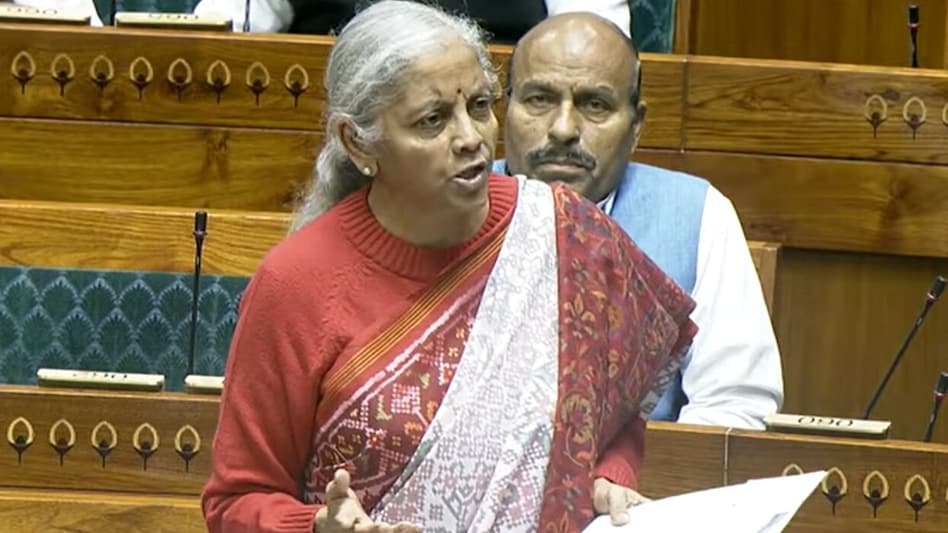
Budget 2026 | Union Finance Minister Nirmala Sitharaman’s presented her ninth consecutive Budget in the Parliament on February 1 2026. The Finance Minister emphasised that the government has consistently chosen reform over rhetoric and addressed global uncertainty.
What is an interim budget?
An interim budget is a temporary financial statement presented when a new government is about to take office or during an election year. It provides estimates of government revenue, expenditure, and minor policy proposals for the remaining part of the fiscal year. Though it resembles a full budget, it is constrained by the Election Commission, preventing the outgoing government from implementing measures that could influence voters.
What is a vote-on-account?
A vote-on-account is a short-term parliamentary approval allowing the government to withdraw funds from the Consolidated Fund of India for essential expenditures like salaries, pensions, subsidies, and ongoing projects. It is usually valid for two to four months and does not permit changes in taxes or major policy decisions.
Key differences between the interim budget and the vote-on-account
While both are used to maintain continuity in government finances, they serve distinct purposes. The interim budget is a broader financial plan that includes revenue estimates, expenditure projections, revised estimates for the ongoing year, and minor policy proposals, and is usually debated in Parliament like a regular budget. In contrast, the vote-on-account is narrowly focused on meeting immediate expenditure needs, covering only routine obligations and avoiding any tax or policy changes.
The interim budget is valid for the entire remaining fiscal year, whereas a vote-on-account typically lasts two to four months, until the full budget is presented. Additionally, the interim budget may indicate how a government intends to manage finances, while the vote-on-account is purely administrative, ensuring continuity of salaries, subsidies, and other essential payments. Essentially, the interim budget provides a financial framework for governance, while the vote-on-account provides the legal authorisation to spend money in the short term.
In essence, the interim budget and vote-on-account are complementary tools that ensure financial stability during government transitions. The interim budget offers a broader financial plan, including limited policy measures, while the vote-on-account focuses on keeping essential operations running without disruption until a full Union Budget is approved.
Budget 2026 | Union Finance Minister Nirmala Sitharaman’s presented her ninth consecutive Budget in the Parliament on February 1 2026. The Finance Minister emphasised that the government has consistently chosen reform over rhetoric and addressed global uncertainty.
What is an interim budget?
An interim budget is a temporary financial statement presented when a new government is about to take office or during an election year. It provides estimates of government revenue, expenditure, and minor policy proposals for the remaining part of the fiscal year. Though it resembles a full budget, it is constrained by the Election Commission, preventing the outgoing government from implementing measures that could influence voters.
What is a vote-on-account?
A vote-on-account is a short-term parliamentary approval allowing the government to withdraw funds from the Consolidated Fund of India for essential expenditures like salaries, pensions, subsidies, and ongoing projects. It is usually valid for two to four months and does not permit changes in taxes or major policy decisions.
Key differences between the interim budget and the vote-on-account
While both are used to maintain continuity in government finances, they serve distinct purposes. The interim budget is a broader financial plan that includes revenue estimates, expenditure projections, revised estimates for the ongoing year, and minor policy proposals, and is usually debated in Parliament like a regular budget. In contrast, the vote-on-account is narrowly focused on meeting immediate expenditure needs, covering only routine obligations and avoiding any tax or policy changes.
The interim budget is valid for the entire remaining fiscal year, whereas a vote-on-account typically lasts two to four months, until the full budget is presented. Additionally, the interim budget may indicate how a government intends to manage finances, while the vote-on-account is purely administrative, ensuring continuity of salaries, subsidies, and other essential payments. Essentially, the interim budget provides a financial framework for governance, while the vote-on-account provides the legal authorisation to spend money in the short term.
In essence, the interim budget and vote-on-account are complementary tools that ensure financial stability during government transitions. The interim budget offers a broader financial plan, including limited policy measures, while the vote-on-account focuses on keeping essential operations running without disruption until a full Union Budget is approved.