
Budget 2026: Beyond numbers - Who are the minds behind the Economic Survey, what are its components
The economic survey explains how the economy has performed, what challenges lie ahead, and what policy choices the government should consider.
- Jan 23, 2026,
- Updated Jan 23, 2026 4:49 PM IST
Finance Minister Nirmala Sitharaman is set to announce the Union Budget for 2026-27 on February 1, 2026, for the first time on a Sunday. However, before the Budget takes the spotlight, the economic survey is released.
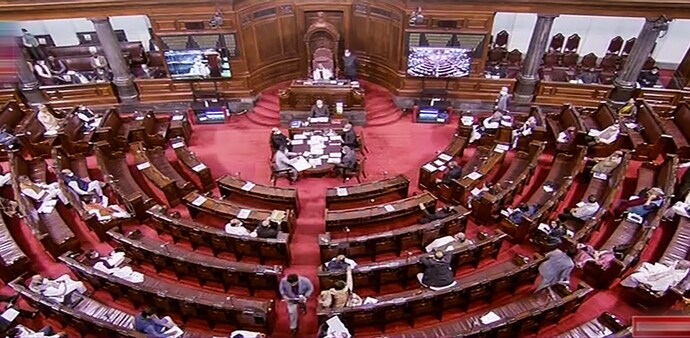
Every year, just a day before the Union Budget is presented, the Economic Survey is tabled in Parliament. While it does not announce policies or taxes, it plays a crucial role in setting the tone for the Budget. The Survey explains how the economy has performed, what challenges lie ahead, and what policy choices the government should consider.
What is the economic survey?
The Economic Survey is a comprehensive annual report on India’s economy. It provides an assessment of economic trends, performance, and challenges, along with insights into key sectors like agriculture, industry, services, and finance. It also evaluates policy initiatives, highlights structural issues, and may propose reforms. Essentially, it offers a snapshot of the economy’s health and acts as a bridge between data-driven analysis and policy decisions.
Who drafts the economic survey?
The Economic Survey is prepared by the Department of Economic Affairs (DEA) in the Ministry of Finance. The primary responsibility lies with the Economic Division, headed by the Chief Economic Adviser (CEA) V Anantha Nageswaran. The CEA acts as the intellectual anchor of the document, guiding its analysis, themes, and policy recommendations.
A dedicated team of economists, researchers, and analysts works under the CEA for several months to compile the Survey. They study data from multiple sources, including national accounts, inflation trends, employment figures, trade data, banking and financial sector indicators, and global economic developments. Inputs are also taken from various ministries, government departments, and regulatory bodies.
Difference between the economic survey and the budget
Unlike the Budget, which is a policy and financial document, the Economic Survey is analytical in nature. It assesses what has worked, what has not, and what risks the economy faces. The Survey often introduces new ideas, innovative frameworks, and evidence-based arguments, many of which later influence Budget priorities.
While the Finance Minister presents the Economic Survey in Parliament, it is important to note that the document reflects the professional assessment of the government’s economists, rather than political announcements. This is why the Survey sometimes offers candid evaluations of economic performance and reform challenges.
Why is the economic survey important for the budget?
The Economic Survey acts as a foundation for the Union Budget. Its growth estimates, sectoral analysis, and policy suggestions help shape Budget assumptions on revenue, expenditure, and reforms. For Budget 2026-27, the Survey provides the economic context within which fiscal decisions are made. This makes it an essential read for understanding the logic behind the Budget’s numbers and priorities.
Finance Minister Nirmala Sitharaman is set to announce the Union Budget for 2026-27 on February 1, 2026, for the first time on a Sunday. However, before the Budget takes the spotlight, the economic survey is released.
Every year, just a day before the Union Budget is presented, the Economic Survey is tabled in Parliament. While it does not announce policies or taxes, it plays a crucial role in setting the tone for the Budget. The Survey explains how the economy has performed, what challenges lie ahead, and what policy choices the government should consider.
What is the economic survey?
The Economic Survey is a comprehensive annual report on India’s economy. It provides an assessment of economic trends, performance, and challenges, along with insights into key sectors like agriculture, industry, services, and finance. It also evaluates policy initiatives, highlights structural issues, and may propose reforms. Essentially, it offers a snapshot of the economy’s health and acts as a bridge between data-driven analysis and policy decisions.
Who drafts the economic survey?
The Economic Survey is prepared by the Department of Economic Affairs (DEA) in the Ministry of Finance. The primary responsibility lies with the Economic Division, headed by the Chief Economic Adviser (CEA) V Anantha Nageswaran. The CEA acts as the intellectual anchor of the document, guiding its analysis, themes, and policy recommendations.
A dedicated team of economists, researchers, and analysts works under the CEA for several months to compile the Survey. They study data from multiple sources, including national accounts, inflation trends, employment figures, trade data, banking and financial sector indicators, and global economic developments. Inputs are also taken from various ministries, government departments, and regulatory bodies.
Difference between the economic survey and the budget
Unlike the Budget, which is a policy and financial document, the Economic Survey is analytical in nature. It assesses what has worked, what has not, and what risks the economy faces. The Survey often introduces new ideas, innovative frameworks, and evidence-based arguments, many of which later influence Budget priorities.
While the Finance Minister presents the Economic Survey in Parliament, it is important to note that the document reflects the professional assessment of the government’s economists, rather than political announcements. This is why the Survey sometimes offers candid evaluations of economic performance and reform challenges.
Why is the economic survey important for the budget?
The Economic Survey acts as a foundation for the Union Budget. Its growth estimates, sectoral analysis, and policy suggestions help shape Budget assumptions on revenue, expenditure, and reforms. For Budget 2026-27, the Survey provides the economic context within which fiscal decisions are made. This makes it an essential read for understanding the logic behind the Budget’s numbers and priorities.