
India at Davos 2026: How India’s CEOs and influencers are rewriting global power
India’s Davos 2026 presence blends CEOs, creators, and climate voices—showcasing how business power, digital influence, and soft diplomacy are reshaping India’s global standing.
- Jan 14, 2026,
- Updated Jan 14, 2026 1:35 PM IST
- 1/10
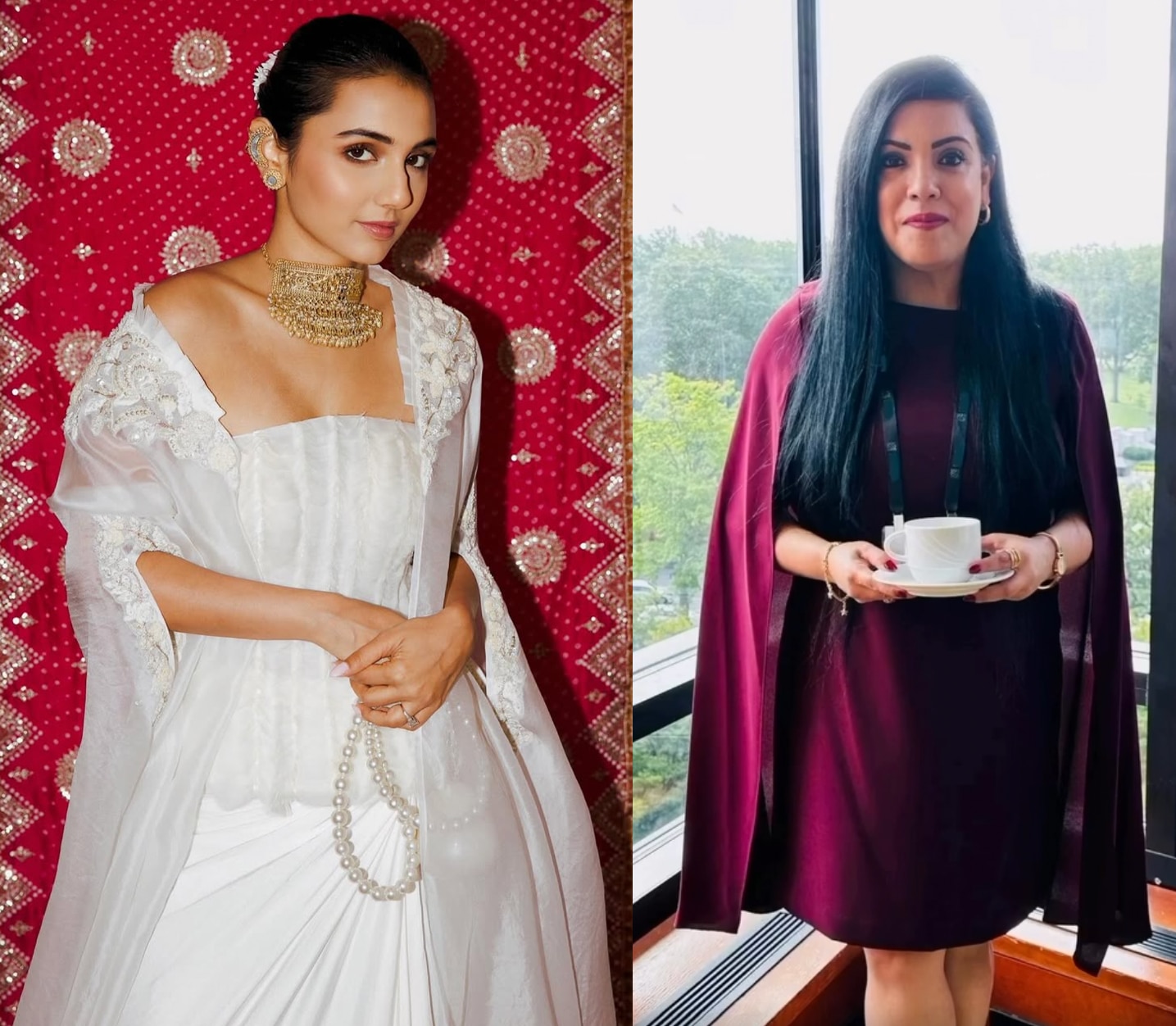
India’s creator economy walks into Davos with confidence. Masoom Minawala and Japneet Kaur represent a new class of influence—where storytelling, entrepreneurship, and policy collide. Their presence signals how soft power now travels via platforms, not podiums.
- 2/10
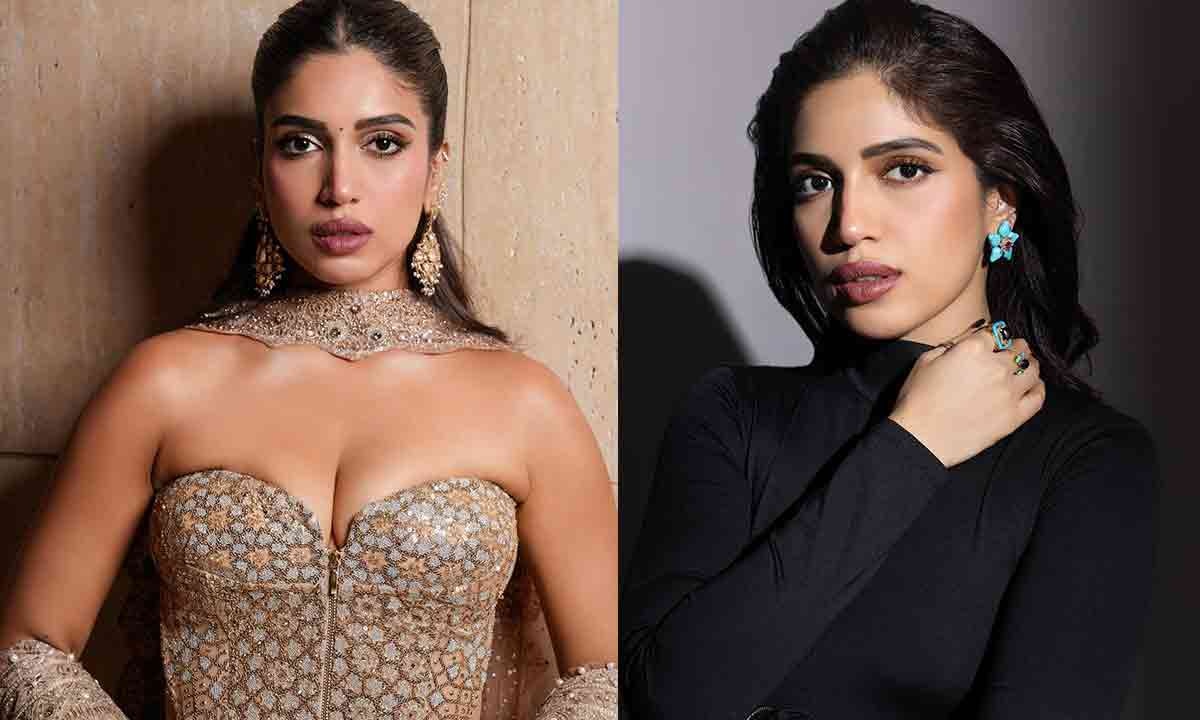
Bhumi Pednekar isn’t attending as a celebrity guest but as a Young Global Leader. Climate equity, sustainability financing, and grassroots action define her Davos role—showing how activism now earns a seat alongside capital.
- 3/10
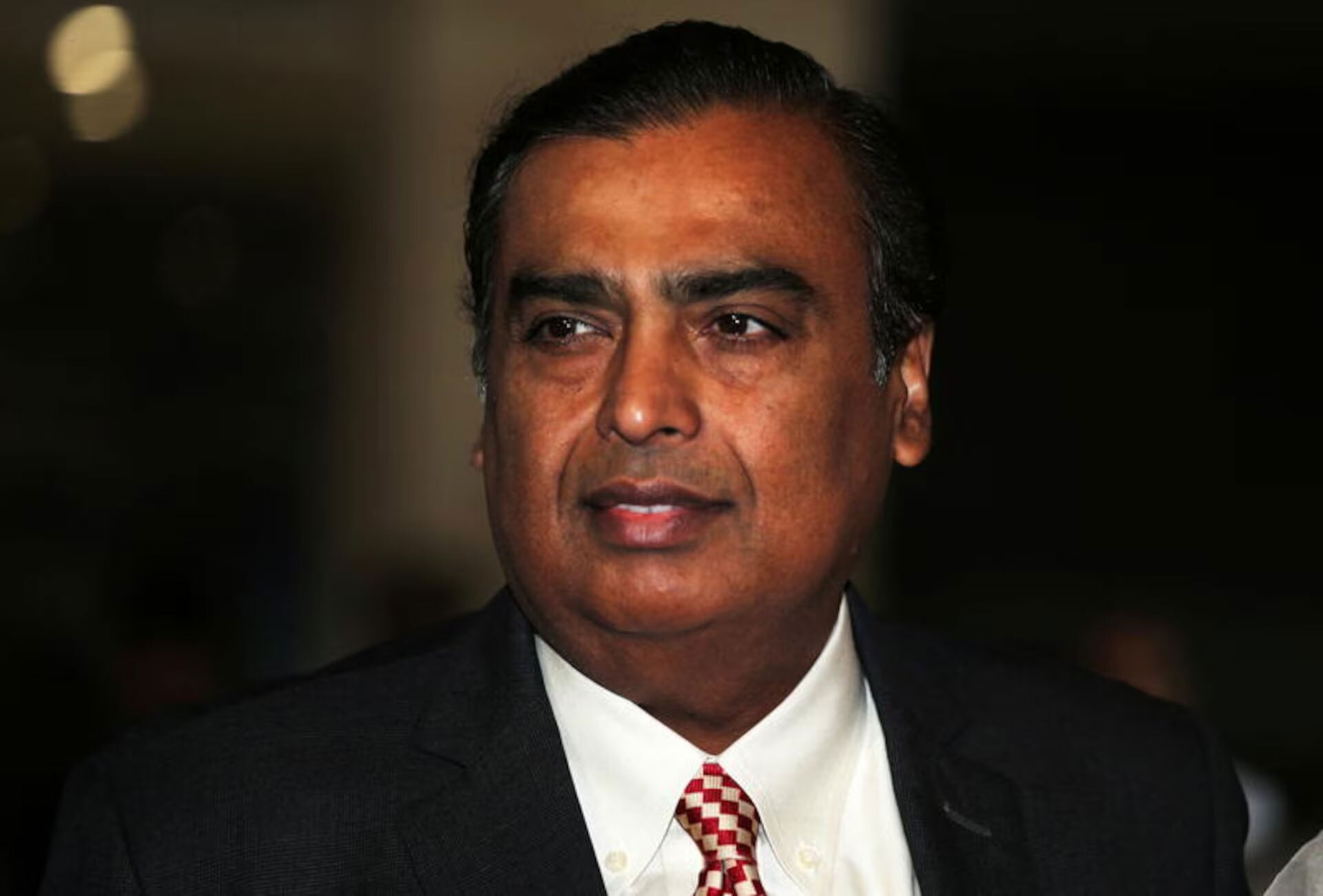
When Mukesh Ambani arrives, Davos listens. His quiet meetings often carry louder signals than keynote speeches—on energy transitions, capital deployment, and how India sees its economic future in a fractured world.
- 4/10
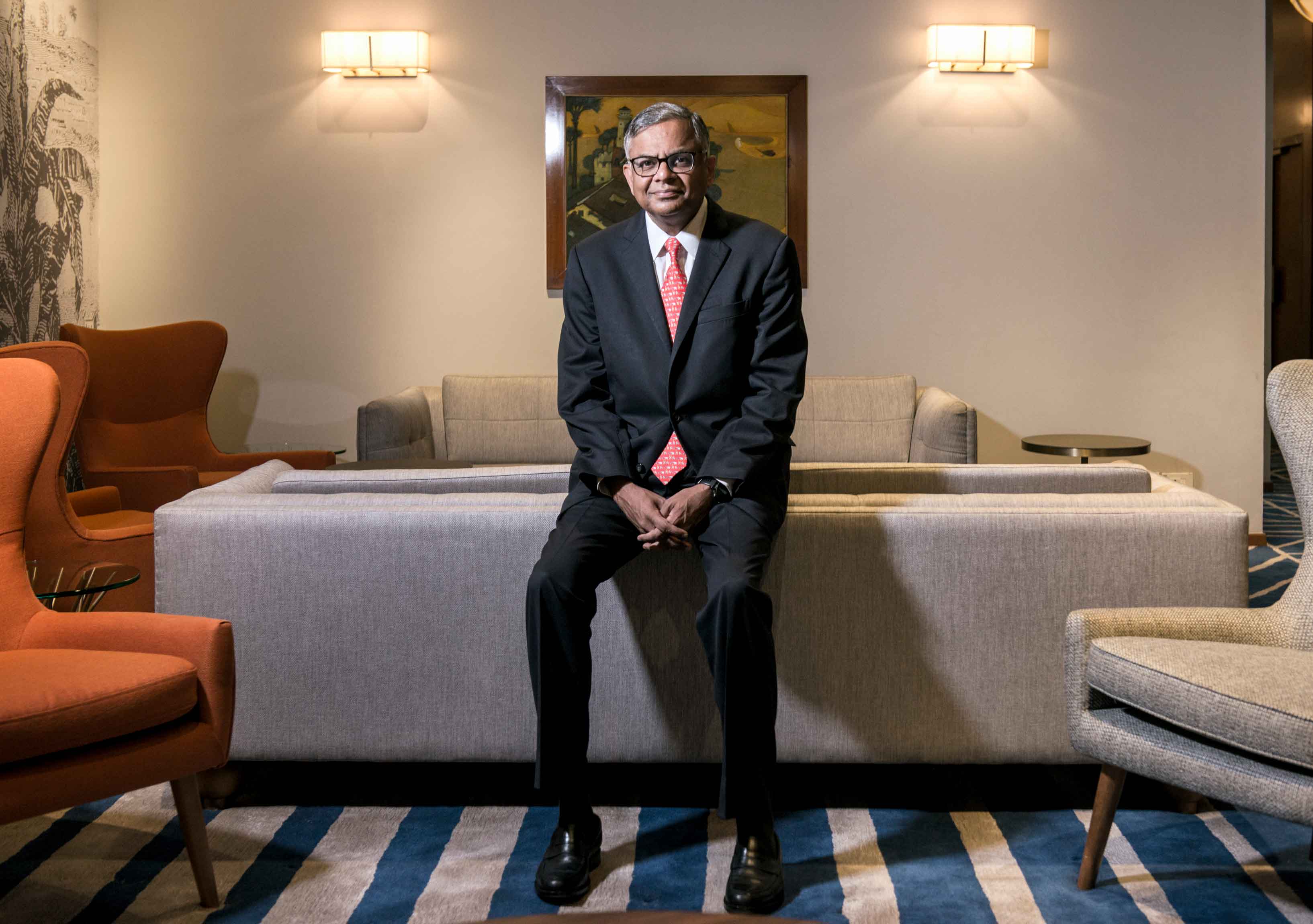
N Chandrasekaran represents India’s institutional muscle. His Davos conversations revolve around manufacturing scale, global supply chains, and how legacy conglomerates adapt without losing credibility.
- 5/10
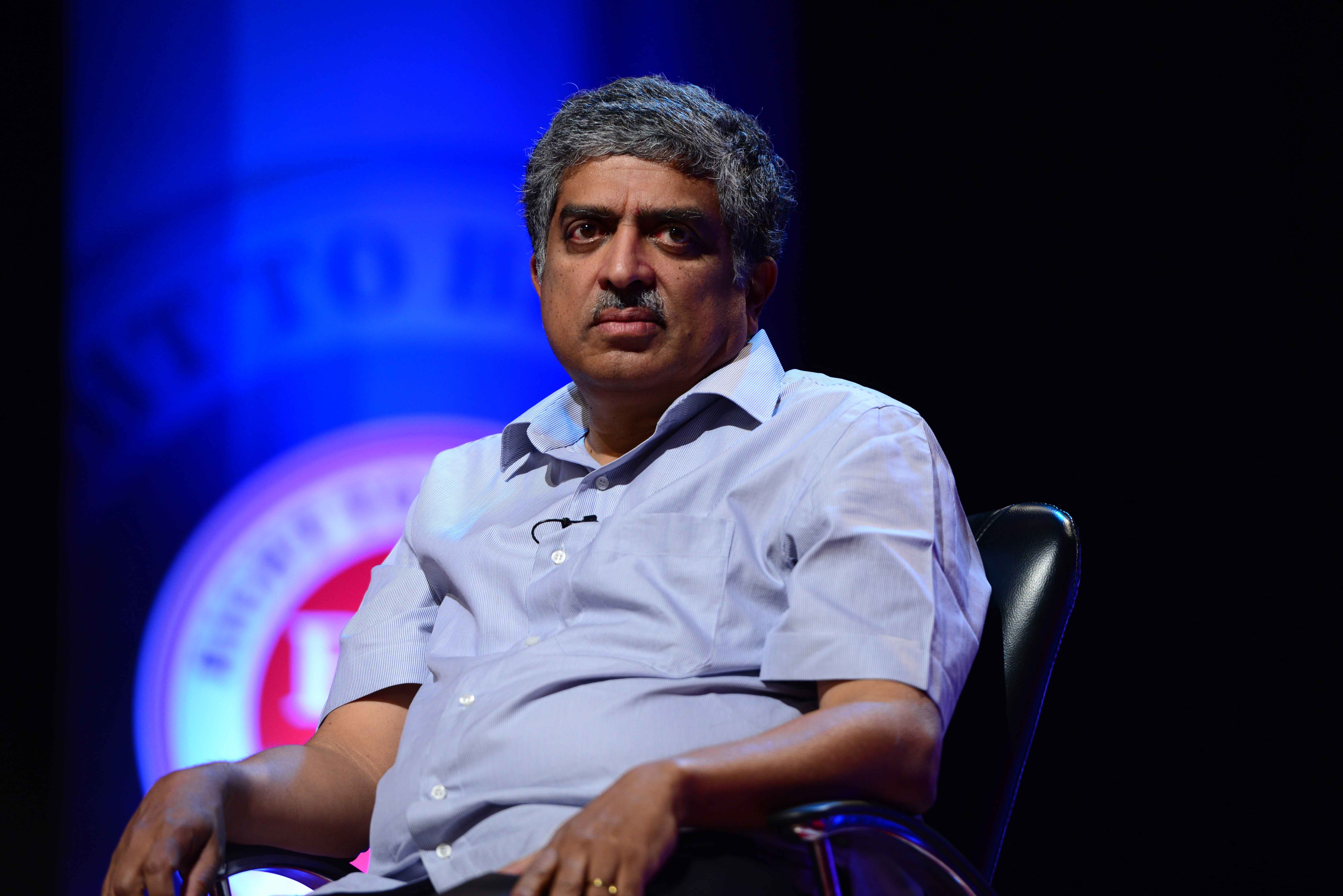
Nandan Nilekani brings lived experience, not theory. Digital public infrastructure, fintech governance, and population-scale tech solutions make him one of India’s most closely watched voices in global tech policy debates.
- 6/10
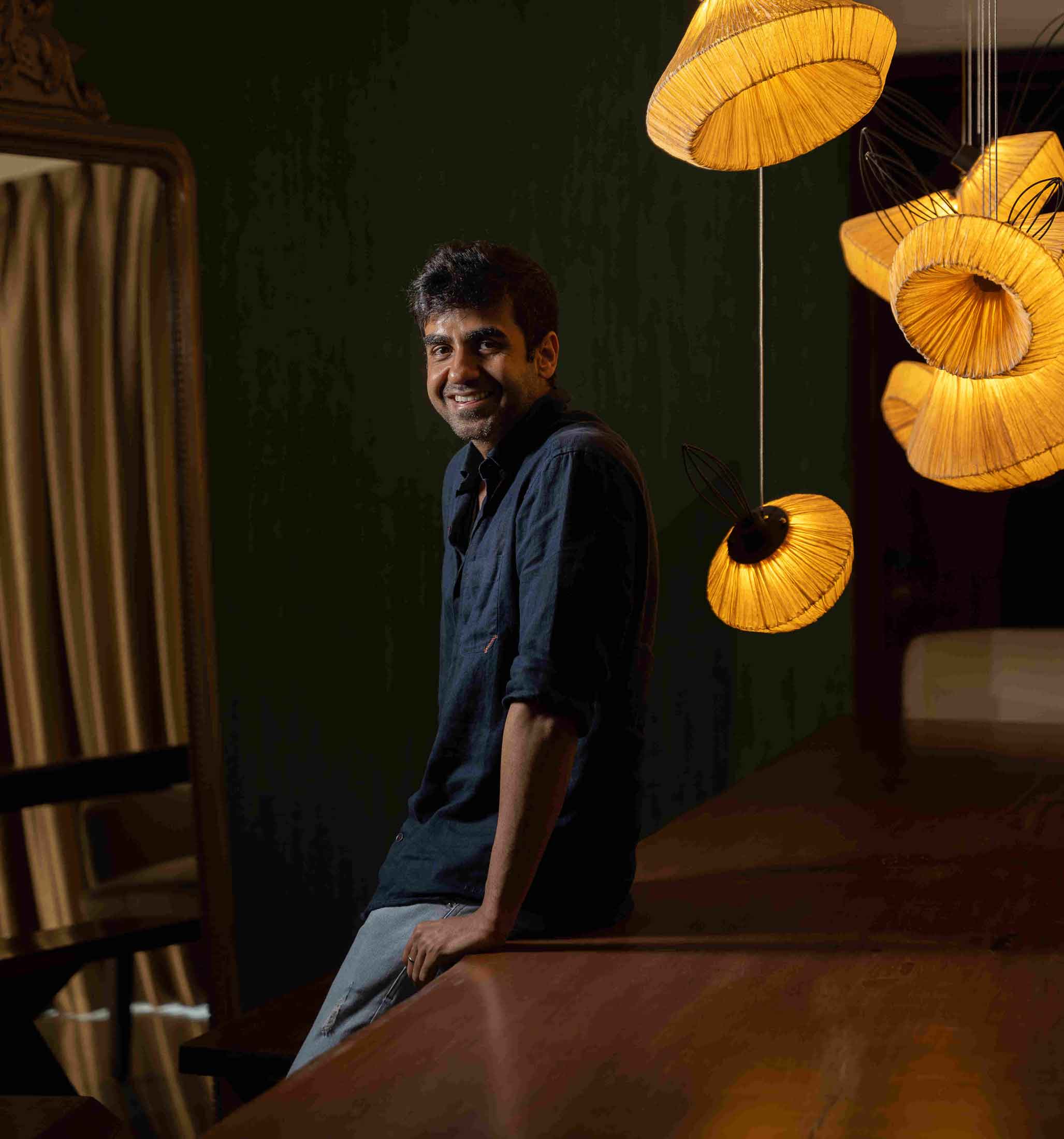
Nikhil Kamath represents India’s new-age capital—lean, digital-first, and globally curious. His Davos presence reflects how founders now shape financial conversations once dominated by bankers alone.
- 7/10
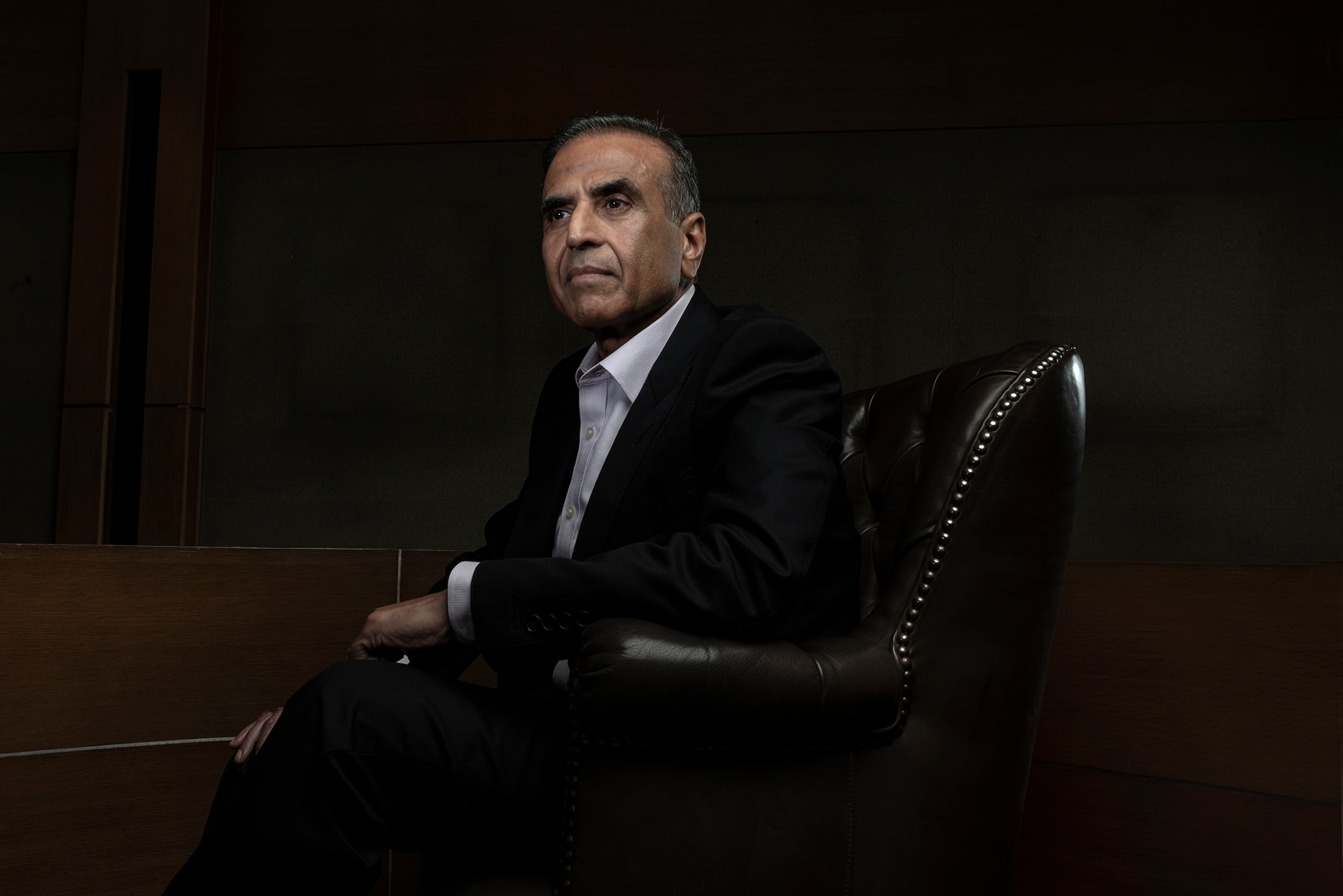
Sunil Bharti Mittal bridges old and new India. From connectivity to geopolitics, his Davos role underscores how telecom has become strategic infrastructure, not just a business.
- 8/10
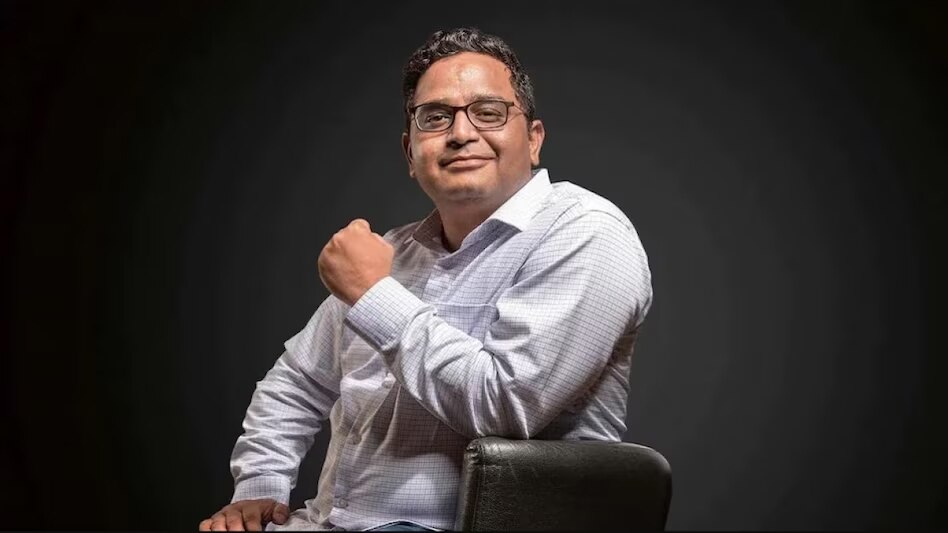
Vijay Shekhar Sharma arrives with lessons from scale, regulation, and market correction. His presence highlights India’s fintech evolution—from explosive growth to regulatory realism.
- 9/10
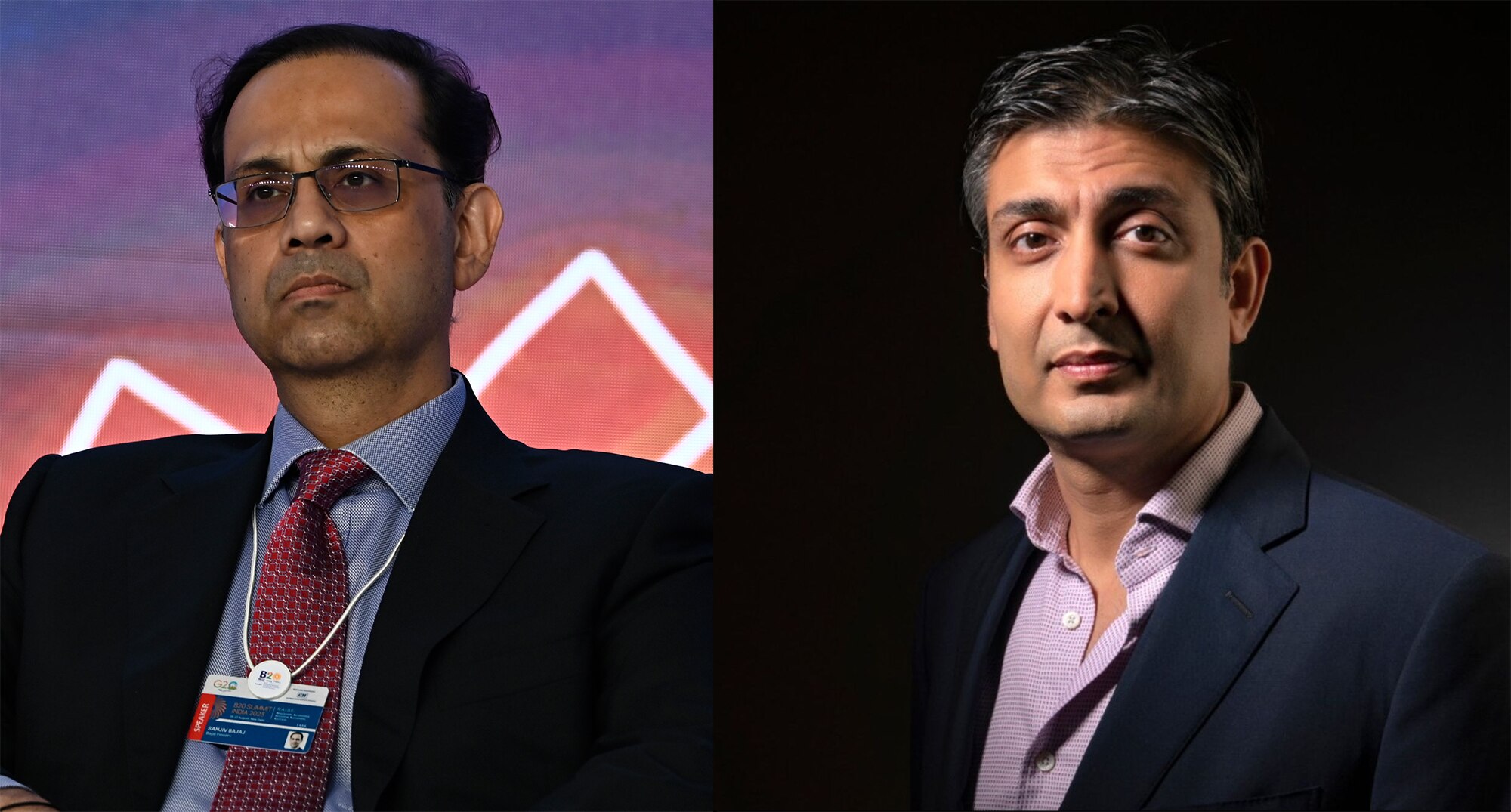
Sanjiv Bajaj and Rishad Premji represent succession done right. Their Davos conversations focus on governance, capital discipline, and future-proofing Indian industry.
- 10/10
Together, influencers and CEOs project a calibrated image: India as builder, negotiator, and long-term partner. Davos 2026 becomes less about visibility—and more about quiet leverage.