
Davos 2026: Why Trump backed down from Greenland, Ian Bremmer explains
WEF Summit Davos 2026: One thing that we've learned is that even the Europeans are capable of hitting the Americans back, says Bremmer
- Jan 22, 2026,
- Updated Jan 22, 2026 10:55 PM IST
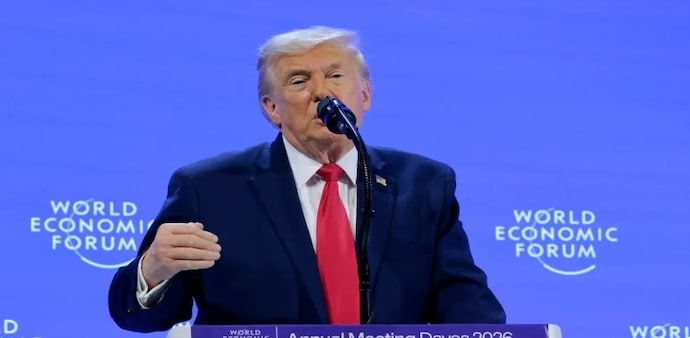
US President Donald Trump backed down from his threat to impose tariffs and assert control over Greenland after facing coordinated resistance from Europe, domestic political pressure in the United States, and market backlash, according to Ian Bremmer, president of Eurasia Group.
"The United States is the most powerful country in the world. I accept that. President Trump is not the most powerful leader. Xi Jinping is," Bremmer said while speaking to Rajdeep Sardesai, Consulting Editor at India Today TV, on the sidelines of the World Economic Forum in Davos.
Explaining why, he added, "Xi Jinping doesn't have midterm elections. He doesn't have an independent judiciary. Trump isn't going to be there in three years. Xi Jinping is (going to be there)."
Bremmer said that while Trump dominates headlines, the balance of leadership power lies elsewhere. "Trump is getting all the headlines. He's getting all the media attention. Xi Jinping is actually in a better position as a leader," he said.
The political scientist described the Greenland episode as revealing. "We've seen that over the last few days. One thing that we've learned from these three days that we've wasted on Greenland is that even the Europeans are capable of hitting the Americans back effectively because this was TACO (Trump Always Chickens Out). This was Trump chickening out," he said.
Bremmer recalled Trump's threats that the US was going to own Greenland. "There were going to be tariffs on all of the countries by February 1 that supported Denmark," he said. "But he backed off and got nothing for it. Why did that happen? Because the Europeans were prepared to actually put reciprocal tariffs in place and use the anti-coercion instruments."
Domestic US politics also played a role, according to him. "Because it turns out that there are issues back in the United States where there are real divides, including among Republicans, and this is one of them," Bremmer said.
The noted commentator pointed to polling data that made Greenland politically sensitive. "In fact, Greenland was even worse for Trump than the Epstein files in polling. Minus -38 on Epstein, -40 on Greenland," he said.
Bremmer said resistance within the US proved decisive, with even Republicans warning Trump against pressing ahead. "We will not support you on this issue," Bremmer said party leaders told the President. Trump ultimately had to retreat, he said, particularly after markets tanked.
The episode, Bremmer argued, also exposed a deeper fault line in how Trump approaches alliances. "And then number three, and this is the most important thing. India is a partner and a friend of the United States. The Europeans are allies of the United States. That is different from being a partner and friend of President Trump," he said.
According to Bremmer, Trump's setback reflected a broader pattern in which personal objectives overtook national interest. "When we see policies that are being advanced by Trump that are in his interest but not in the interest of the United States, that has to be mentioned," he said.
He said there was a clear distinction between legitimate strategic cooperation and the Greenland episode. "And owning Greenland is not in the interest of the United States. Strategic cooperation, more security with the Europeans, sure," Bremmer said. "Owning Greenland was an ego issue for President Trump personally and that's why he failed."
US President Donald Trump backed down from his threat to impose tariffs and assert control over Greenland after facing coordinated resistance from Europe, domestic political pressure in the United States, and market backlash, according to Ian Bremmer, president of Eurasia Group.
"The United States is the most powerful country in the world. I accept that. President Trump is not the most powerful leader. Xi Jinping is," Bremmer said while speaking to Rajdeep Sardesai, Consulting Editor at India Today TV, on the sidelines of the World Economic Forum in Davos.
Explaining why, he added, "Xi Jinping doesn't have midterm elections. He doesn't have an independent judiciary. Trump isn't going to be there in three years. Xi Jinping is (going to be there)."
Bremmer said that while Trump dominates headlines, the balance of leadership power lies elsewhere. "Trump is getting all the headlines. He's getting all the media attention. Xi Jinping is actually in a better position as a leader," he said.
The political scientist described the Greenland episode as revealing. "We've seen that over the last few days. One thing that we've learned from these three days that we've wasted on Greenland is that even the Europeans are capable of hitting the Americans back effectively because this was TACO (Trump Always Chickens Out). This was Trump chickening out," he said.
Bremmer recalled Trump's threats that the US was going to own Greenland. "There were going to be tariffs on all of the countries by February 1 that supported Denmark," he said. "But he backed off and got nothing for it. Why did that happen? Because the Europeans were prepared to actually put reciprocal tariffs in place and use the anti-coercion instruments."
Domestic US politics also played a role, according to him. "Because it turns out that there are issues back in the United States where there are real divides, including among Republicans, and this is one of them," Bremmer said.
The noted commentator pointed to polling data that made Greenland politically sensitive. "In fact, Greenland was even worse for Trump than the Epstein files in polling. Minus -38 on Epstein, -40 on Greenland," he said.
Bremmer said resistance within the US proved decisive, with even Republicans warning Trump against pressing ahead. "We will not support you on this issue," Bremmer said party leaders told the President. Trump ultimately had to retreat, he said, particularly after markets tanked.
The episode, Bremmer argued, also exposed a deeper fault line in how Trump approaches alliances. "And then number three, and this is the most important thing. India is a partner and a friend of the United States. The Europeans are allies of the United States. That is different from being a partner and friend of President Trump," he said.
According to Bremmer, Trump's setback reflected a broader pattern in which personal objectives overtook national interest. "When we see policies that are being advanced by Trump that are in his interest but not in the interest of the United States, that has to be mentioned," he said.
He said there was a clear distinction between legitimate strategic cooperation and the Greenland episode. "And owning Greenland is not in the interest of the United States. Strategic cooperation, more security with the Europeans, sure," Bremmer said. "Owning Greenland was an ego issue for President Trump personally and that's why he failed."