
Canada moves to revoke citizenship of 26/11 accused Tahawwur Rana ahead of PM Carney’s India visit
Rana, currently in custody in India, is awaiting trial for his alleged role in facilitating the attacks carried out by the Pakistan-based Lashkar-e-Taiba
- Feb 24, 2026,
- Updated Feb 24, 2026 7:50 AM IST
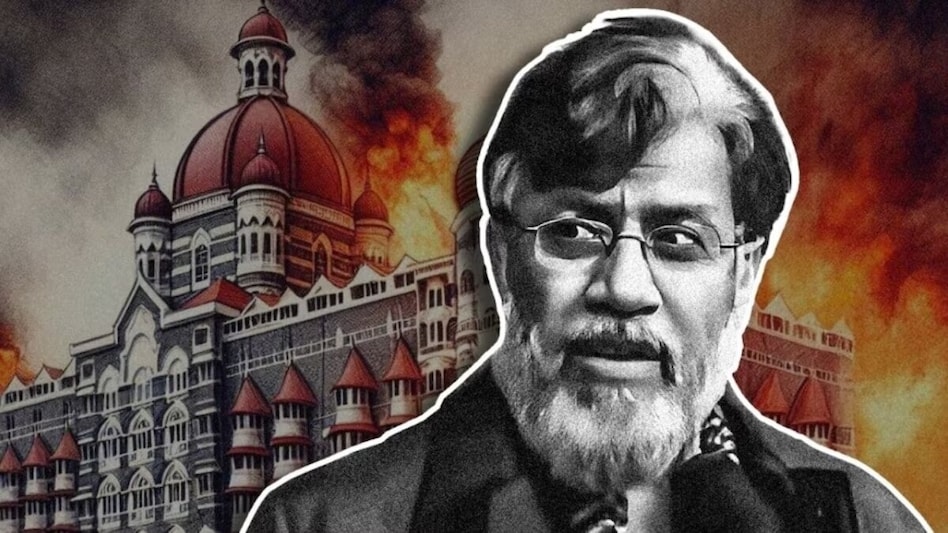
Ahead of Canadian Prime Minister Mark Carney’s visit to India on February 26, the Canadian government has initiated a process to revoke the citizenship of Tahawwur Hussain Rana, a key figure involved in the 2008 Mumbai terror attacks. Rana, currently in custody in India, is awaiting trial for his alleged role in facilitating the attacks carried out by the Pakistan-based Lashkar-e-Taiba.
Rana, a 65-year-old former Pakistani national who immigrated to Canada in 1997, obtained Canadian citizenship in 2001. However, the Canadian government has now cited misrepresentation during his naturalisation process as the reason for revoking his citizenship. Immigration, Refugees, and Citizenship Canada (IRCC) sent Rana a formal notice stating that he had failed to disclose his prolonged absence from Canada during his citizenship application.
In a letter, IRCC noted that Rana claimed to have resided in Ottawa and Toronto for 4 years prior to his application, while a Royal Canadian Mounted Police investigation revealed that he had spent much of that time in Chicago. There, he owned multiple properties and operated businesses, including an immigration consultancy and a grocery store.
This development follows Rana’s extradition to India in 2025, where he was arrested by India’s National Investigation Agency (NIA). Rana faces charges related to his involvement in the 26/11 attacks, which left more than 160 people dead. The ongoing legal proceedings have drawn international attention, with both Canada and India navigating complex legal proceedings related to his role in the attacks.
While Rana’s defence team has contested the Canadian government’s decision, arguing that the revocation violates his rights, the matter now lies with the Federal Court of Canada. The court will decide whether his citizenship was obtained through fraudulent means, which could have serious consequences for Rana’s standing in both countries.
The Canadian government has emphasised that revoking citizenship in cases of misrepresentation is crucial to upholding the integrity of Canadian citizenship. A spokesperson from the immigration department reiterated that the process is being handled fairly, with the Federal Court ensuring that Rana’s legal rights are respected.
The case is likely to remain in the spotlight as legal proceedings continue in India and Canada. The question of whether Rana’s Canadian citizenship should be revoked further complicates his extradition case and raises questions about international cooperation in tackling terrorism and maintaining the rule of law.
Ahead of Canadian Prime Minister Mark Carney’s visit to India on February 26, the Canadian government has initiated a process to revoke the citizenship of Tahawwur Hussain Rana, a key figure involved in the 2008 Mumbai terror attacks. Rana, currently in custody in India, is awaiting trial for his alleged role in facilitating the attacks carried out by the Pakistan-based Lashkar-e-Taiba.
Rana, a 65-year-old former Pakistani national who immigrated to Canada in 1997, obtained Canadian citizenship in 2001. However, the Canadian government has now cited misrepresentation during his naturalisation process as the reason for revoking his citizenship. Immigration, Refugees, and Citizenship Canada (IRCC) sent Rana a formal notice stating that he had failed to disclose his prolonged absence from Canada during his citizenship application.
In a letter, IRCC noted that Rana claimed to have resided in Ottawa and Toronto for 4 years prior to his application, while a Royal Canadian Mounted Police investigation revealed that he had spent much of that time in Chicago. There, he owned multiple properties and operated businesses, including an immigration consultancy and a grocery store.
This development follows Rana’s extradition to India in 2025, where he was arrested by India’s National Investigation Agency (NIA). Rana faces charges related to his involvement in the 26/11 attacks, which left more than 160 people dead. The ongoing legal proceedings have drawn international attention, with both Canada and India navigating complex legal proceedings related to his role in the attacks.
While Rana’s defence team has contested the Canadian government’s decision, arguing that the revocation violates his rights, the matter now lies with the Federal Court of Canada. The court will decide whether his citizenship was obtained through fraudulent means, which could have serious consequences for Rana’s standing in both countries.
The Canadian government has emphasised that revoking citizenship in cases of misrepresentation is crucial to upholding the integrity of Canadian citizenship. A spokesperson from the immigration department reiterated that the process is being handled fairly, with the Federal Court ensuring that Rana’s legal rights are respected.
The case is likely to remain in the spotlight as legal proceedings continue in India and Canada. The question of whether Rana’s Canadian citizenship should be revoked further complicates his extradition case and raises questions about international cooperation in tackling terrorism and maintaining the rule of law.