
12 Indians among 13 killed in Qatar's Ras Laffan LNG explosion, embassy working on repatriation
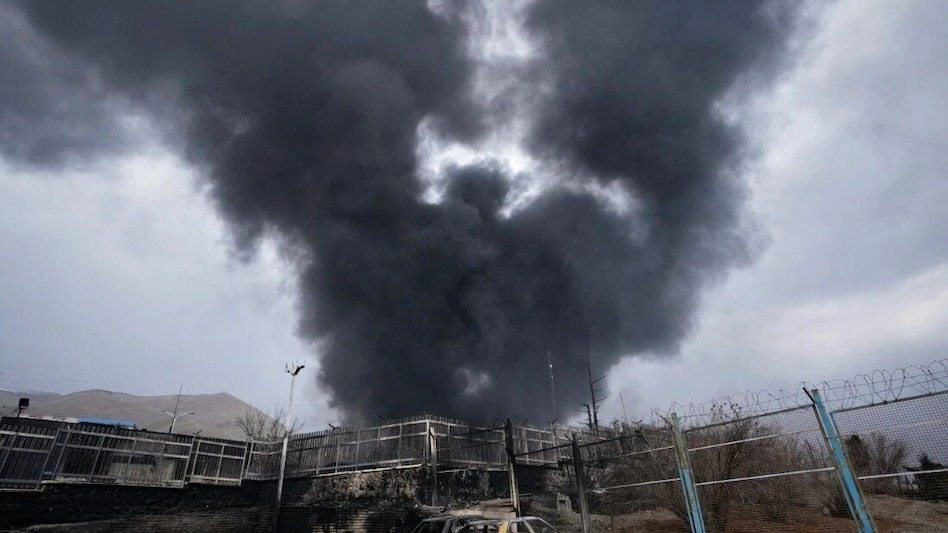
The blast struck the Barzan gas facility on Monday and was powerful enough to shake windows in central Doha, more than 70 kilometres away
- Jun 23, 2026,
- Updated Jun 23, 2026 7:41 AM IST
Twelve Indian nationals were among 13 people killed in an explosion at Qatar’s Ras Laffan liquefied natural gas complex, the Indian Embassy in Doha confirmed on Tuesday.
The blast struck the Barzan gas facility on Monday and was powerful enough to shake windows in central Doha, more than 70 kilometres away. Sixty-six people were taken to the hospital, though officials said none were in a life-threatening condition.
Qatar’s Energy Minister and QatarEnergy chief executive Saad al-Kaabi confirmed the death toll and the nationalities of those killed during a press conference.
“I find myself today having to do something I have always hoped would never happen, and that is to announce the tragic loss of 13 lives of our people who hold Indian and Pakistani nationalities. 66 people have been reported injured and are receiving medical treatment, none of whom are in life-threatening condition,” al-Kaabi said.
What caused the explosion
Qatari authorities have described the blast as a “technical accident” and launched an investigation into its cause.
Al-Kaabi ruled out sabotage or hostile action, saying the facility had only recently resumed operations after a prolonged maintenance shutdown.
“This was an accident and not a sabotage or hostile in nature. Plant production was intentionally completely stopped since December 2025 due to urgent maintenance requirements; it was first restarted again only two days ago,” he said.
He added that the incident posed no environmental threat and had not affected Qatar’s wider LNG export operations.
The timing of the explosion is significant because restarting an LNG facility after an extended shutdown is a complex and sensitive process. Plants must undergo gradual cooling to prevent thermal shock, while individual production units are brought online in a carefully controlled sequence.
Indian Embassy assists affected families
The Indian Embassy in Doha expressed condolences and said it was coordinating with Qatari authorities to support the families of those affected.
“We convey our deepest condolences to the families of those who have unfortunately passed away in the sad incident at Ras Laffan Industrial City last night,” the embassy said in a post on X.
It added: “Our embassy is working in close contact with the Qatari authorities to extend all possible assistance to the Indian nationals and their families affected by this incident, including ensuring that the mortal remains of the deceased are repatriated to India at the earliest.”
Facility was recovering from the Iran conflict
The explosion occurred at a facility still recovering from damage linked to the US-Iran conflict.
Iranian missile strikes in March had hit two major gas-processing units at Ras Laffan, reducing Qatar’s LNG export capacity by about 17%. QatarEnergy had earlier said repairs to the damaged infrastructure could take between three and five years.
The conflict also forced the evacuation of nearly 10,000 workers from offshore platforms and onshore processing facilities. The closure of the Strait of Hormuz disrupted close to 20% of global LNG supplies before shipments gradually resumed.
Why Ras Laffan matters
The Barzan facility supplies natural gas to local industries and power plants, while also producing liquefied petroleum gas and other products for export.
It is part of Ras Laffan Industrial City, QatarEnergy’s main production and export hub, which has an annual LNG capacity of 77 million metric tonnes.
Twelve Indian nationals were among 13 people killed in an explosion at Qatar’s Ras Laffan liquefied natural gas complex, the Indian Embassy in Doha confirmed on Tuesday.
The blast struck the Barzan gas facility on Monday and was powerful enough to shake windows in central Doha, more than 70 kilometres away. Sixty-six people were taken to the hospital, though officials said none were in a life-threatening condition.
Qatar’s Energy Minister and QatarEnergy chief executive Saad al-Kaabi confirmed the death toll and the nationalities of those killed during a press conference.
“I find myself today having to do something I have always hoped would never happen, and that is to announce the tragic loss of 13 lives of our people who hold Indian and Pakistani nationalities. 66 people have been reported injured and are receiving medical treatment, none of whom are in life-threatening condition,” al-Kaabi said.
What caused the explosion
Qatari authorities have described the blast as a “technical accident” and launched an investigation into its cause.
Al-Kaabi ruled out sabotage or hostile action, saying the facility had only recently resumed operations after a prolonged maintenance shutdown.
“This was an accident and not a sabotage or hostile in nature. Plant production was intentionally completely stopped since December 2025 due to urgent maintenance requirements; it was first restarted again only two days ago,” he said.
He added that the incident posed no environmental threat and had not affected Qatar’s wider LNG export operations.
The timing of the explosion is significant because restarting an LNG facility after an extended shutdown is a complex and sensitive process. Plants must undergo gradual cooling to prevent thermal shock, while individual production units are brought online in a carefully controlled sequence.
Indian Embassy assists affected families
The Indian Embassy in Doha expressed condolences and said it was coordinating with Qatari authorities to support the families of those affected.
“We convey our deepest condolences to the families of those who have unfortunately passed away in the sad incident at Ras Laffan Industrial City last night,” the embassy said in a post on X.
It added: “Our embassy is working in close contact with the Qatari authorities to extend all possible assistance to the Indian nationals and their families affected by this incident, including ensuring that the mortal remains of the deceased are repatriated to India at the earliest.”
Facility was recovering from the Iran conflict
The explosion occurred at a facility still recovering from damage linked to the US-Iran conflict.
Iranian missile strikes in March had hit two major gas-processing units at Ras Laffan, reducing Qatar’s LNG export capacity by about 17%. QatarEnergy had earlier said repairs to the damaged infrastructure could take between three and five years.
The conflict also forced the evacuation of nearly 10,000 workers from offshore platforms and onshore processing facilities. The closure of the Strait of Hormuz disrupted close to 20% of global LNG supplies before shipments gradually resumed.
Why Ras Laffan matters
The Barzan facility supplies natural gas to local industries and power plants, while also producing liquefied petroleum gas and other products for export.
It is part of Ras Laffan Industrial City, QatarEnergy’s main production and export hub, which has an annual LNG capacity of 77 million metric tonnes.