
$2 million per ship, no attack on allies: What Iran is demanding in 10-point proposal to US
Iran is asking for a guarantee that it will not be attacked again, an end to Israeli strikes against Hezbollah in Lebanon, and the lifting of all sanctions
- Apr 7, 2026,
- Updated Apr 7, 2026 2:05 PM IST
Iran on Monday rejected a 45-day ceasefire proposal and said it wants a permanent end to the war. The Islamic Republic has now sent its own 10-point peace proposal to the US, according to Iranian state media. The proposal was delivered through Pakistan, a key intermediary in the conflict.
Must Read: Mojtaba Khamenei unconscious, under treatment; unable to run Iran: Report
The proposal demands several key concessions from the US and Israel.
Iran is asking for a guarantee that it will not be attacked again, an end to Israeli strikes against Hezbollah in Lebanon, and the lifting of all sanctions. In return, Iran proposes lifting its de facto blockade of the critical shipping route through the Strait of Hormuz.
Must Read: India set for largest Venezuelan crude imports in years: Report
One of the most notable demands in the proposal involves a fee of roughly $2 million per ship passing through the Strait. This fee would be shared with Oman, which borders the strait, with Iran using its portion of the funds to rebuild infrastructure damaged by US and Israeli attacks.
Instead of seeking direct compensation, Iran's plan outlines the reconstruction of vital infrastructure as a priority.
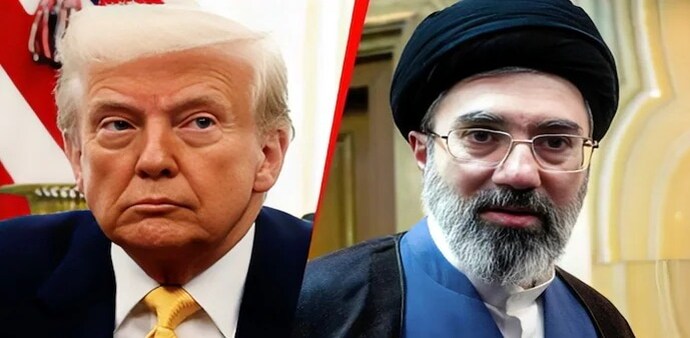
At a Monday press conference, US President Donald Trump acknowledged the proposal, calling it "a significant step." However, he dismissed it, saying, "It's not good enough. But it’s a very significant step."
The Iranian proposal also outlined a protocol for safe passage through the Strait and stressed the necessity of a permanent end to hostilities, rejecting any notion of a ceasefire.
Iranian state media said the proposal reflected Iran's position that it had the "upper hand" in the war, citing its actions in blocking much of the shipping in the strait and successfully shooting down a US F-15E fighter jet - despite the subsequent rescue of the American airmen.
"We only accept an end of the war with guarantees that we won't be attacked again," Mojtaba Ferdousi Pour, head of Iran's diplomatic mission in Cairo, told The Associated Press. He said Iran no longer trusts the Trump administration after the US bombed the Islamic Republic twice during previous rounds of talks.
The US has stepped up threats against Iran to open Hormuz or face a barrage of attacks on civilian targets. "Today will be the largest volume of strikes since day one," Defense Secretary Pete Hegseth said on Monday. "Tomorrow, even more than today."
Iran on Monday rejected a 45-day ceasefire proposal and said it wants a permanent end to the war. The Islamic Republic has now sent its own 10-point peace proposal to the US, according to Iranian state media. The proposal was delivered through Pakistan, a key intermediary in the conflict.
Must Read: Mojtaba Khamenei unconscious, under treatment; unable to run Iran: Report
The proposal demands several key concessions from the US and Israel.
Iran is asking for a guarantee that it will not be attacked again, an end to Israeli strikes against Hezbollah in Lebanon, and the lifting of all sanctions. In return, Iran proposes lifting its de facto blockade of the critical shipping route through the Strait of Hormuz.
Must Read: India set for largest Venezuelan crude imports in years: Report
One of the most notable demands in the proposal involves a fee of roughly $2 million per ship passing through the Strait. This fee would be shared with Oman, which borders the strait, with Iran using its portion of the funds to rebuild infrastructure damaged by US and Israeli attacks.
Instead of seeking direct compensation, Iran's plan outlines the reconstruction of vital infrastructure as a priority.
At a Monday press conference, US President Donald Trump acknowledged the proposal, calling it "a significant step." However, he dismissed it, saying, "It's not good enough. But it’s a very significant step."
The Iranian proposal also outlined a protocol for safe passage through the Strait and stressed the necessity of a permanent end to hostilities, rejecting any notion of a ceasefire.
Iranian state media said the proposal reflected Iran's position that it had the "upper hand" in the war, citing its actions in blocking much of the shipping in the strait and successfully shooting down a US F-15E fighter jet - despite the subsequent rescue of the American airmen.
"We only accept an end of the war with guarantees that we won't be attacked again," Mojtaba Ferdousi Pour, head of Iran's diplomatic mission in Cairo, told The Associated Press. He said Iran no longer trusts the Trump administration after the US bombed the Islamic Republic twice during previous rounds of talks.
The US has stepped up threats against Iran to open Hormuz or face a barrage of attacks on civilian targets. "Today will be the largest volume of strikes since day one," Defense Secretary Pete Hegseth said on Monday. "Tomorrow, even more than today."