
$400,000 Maduro bet: How a US special forces soldier landed in legal trouble
The case has quickly drawn global attention, not just for the scale of the alleged misconduct but for what it reveals about the vulnerabilities emerging at the intersection of national security and decentralised finance.
- Apr 24, 2026,
- Updated Apr 24, 2026 2:03 PM IST
In a case that feels like a collision between covert warfare and the high-risk world of crypto betting, Gannon Ken Van Dyke — a US Army Special Forces master sergeant — has been arrested for allegedly turning classified military intelligence into a personal windfall.
Federal prosecutors claim Van Dyke used insider knowledge from a secret mission targeting Nicolás Maduro to place calculated bets on the prediction platform Polymarket, ultimately earning more than $400,000.
The case has quickly drawn global attention, not just for the scale of the alleged misconduct but for what it reveals about the vulnerabilities emerging at the intersection of national security and decentralised finance.
The operation behind the bets
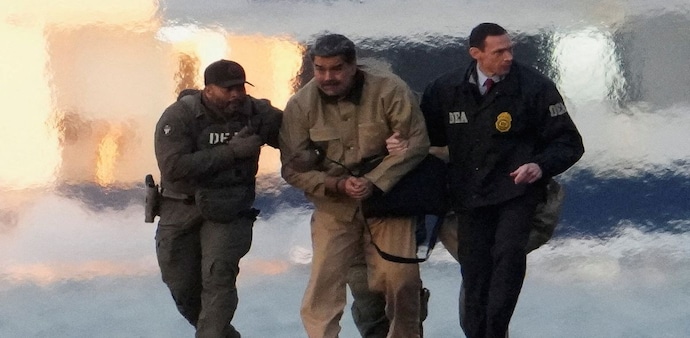
At the center of the controversy is a covert US military operation that culminated in Maduro’s capture in early 2026. Van Dyke was not a peripheral figure — he was directly involved in the planning and execution of the mission. That role gave him access to highly sensitive, non-public intelligence, including the timing, scope, and likely success of the operation.
Prosecutors argue that this privileged information fundamentally altered the nature of his financial activity. What appeared to be speculative bets in a volatile prediction market were, in reality, allegedly backed by near-certainty derived from classified briefings. This transforms the case from simple misconduct into something closer to insider trading — albeit in a domain that is still loosely regulated.
How the betting unfolded
According to investigators, Van Dyke began placing bets in the weeks leading up to the operation. Using an account on Polymarket, he reportedly wagered around $33,000 on outcomes tied to Venezuela’s political future and Maduro’s fate. These included scenarios involving US intervention and regime change.
Because of his access to classified details, prosecutors say these bets were anything but risky. When the operation succeeded and Maduro was captured, the markets resolved in his favor, generating profits estimated at over $400,000. The size and precision of the wagers have become a key focus for investigators trying to establish intent and knowledge.
Attempts to stay hidden
The alleged scheme did not end with the payout. Authorities claim Van Dyke took steps to conceal his involvement once the bets paid off. These reportedly included attempts to delete or alter account information, as well as moving funds through cryptocurrency channels in a bid to obscure the trail.
However, the same blockchain-based transparency that underpins many crypto platforms may have worked against him. Transaction patterns and account activity reportedly raised red flags, eventually drawing the attention of investigators and triggering a deeper probe into the trades.
Charges and legal fallout
Van Dyke now faces a series of serious federal charges, including misuse of confidential government information, commodities fraud, wire fraud, and unlawful monetary transactions. If convicted, he could face decades in prison, with some of the charges carrying substantial maximum sentences.
Regulators are also stepping in, signaling that the case could expand beyond criminal prosecution into broader enforcement action against improper use of prediction markets.
Platforms like Polymarket have grown rapidly by allowing users to bet on real-world events, from elections to geopolitical developments. But this case exposes a critical weakness: what happens when participants are not just observers, but insiders with privileged knowledge?
Legal experts suggest this could become a defining moment for how insider trading laws are applied outside traditional financial markets. It also raises urgent questions about whether existing safeguards are sufficient in a world where sensitive information can be monetised instantly through decentralized platforms.
In a case that feels like a collision between covert warfare and the high-risk world of crypto betting, Gannon Ken Van Dyke — a US Army Special Forces master sergeant — has been arrested for allegedly turning classified military intelligence into a personal windfall.
Federal prosecutors claim Van Dyke used insider knowledge from a secret mission targeting Nicolás Maduro to place calculated bets on the prediction platform Polymarket, ultimately earning more than $400,000.
The case has quickly drawn global attention, not just for the scale of the alleged misconduct but for what it reveals about the vulnerabilities emerging at the intersection of national security and decentralised finance.
The operation behind the bets
At the center of the controversy is a covert US military operation that culminated in Maduro’s capture in early 2026. Van Dyke was not a peripheral figure — he was directly involved in the planning and execution of the mission. That role gave him access to highly sensitive, non-public intelligence, including the timing, scope, and likely success of the operation.
Prosecutors argue that this privileged information fundamentally altered the nature of his financial activity. What appeared to be speculative bets in a volatile prediction market were, in reality, allegedly backed by near-certainty derived from classified briefings. This transforms the case from simple misconduct into something closer to insider trading — albeit in a domain that is still loosely regulated.
How the betting unfolded
According to investigators, Van Dyke began placing bets in the weeks leading up to the operation. Using an account on Polymarket, he reportedly wagered around $33,000 on outcomes tied to Venezuela’s political future and Maduro’s fate. These included scenarios involving US intervention and regime change.
Because of his access to classified details, prosecutors say these bets were anything but risky. When the operation succeeded and Maduro was captured, the markets resolved in his favor, generating profits estimated at over $400,000. The size and precision of the wagers have become a key focus for investigators trying to establish intent and knowledge.
Attempts to stay hidden
The alleged scheme did not end with the payout. Authorities claim Van Dyke took steps to conceal his involvement once the bets paid off. These reportedly included attempts to delete or alter account information, as well as moving funds through cryptocurrency channels in a bid to obscure the trail.
However, the same blockchain-based transparency that underpins many crypto platforms may have worked against him. Transaction patterns and account activity reportedly raised red flags, eventually drawing the attention of investigators and triggering a deeper probe into the trades.
Charges and legal fallout
Van Dyke now faces a series of serious federal charges, including misuse of confidential government information, commodities fraud, wire fraud, and unlawful monetary transactions. If convicted, he could face decades in prison, with some of the charges carrying substantial maximum sentences.
Regulators are also stepping in, signaling that the case could expand beyond criminal prosecution into broader enforcement action against improper use of prediction markets.
Platforms like Polymarket have grown rapidly by allowing users to bet on real-world events, from elections to geopolitical developments. But this case exposes a critical weakness: what happens when participants are not just observers, but insiders with privileged knowledge?
Legal experts suggest this could become a defining moment for how insider trading laws are applied outside traditional financial markets. It also raises urgent questions about whether existing safeguards are sufficient in a world where sensitive information can be monetised instantly through decentralized platforms.