
500% tariff cut to 100%: India, China face reduced tariffs under revised US Russia sanctions bill
This move aims to maintain pressure on Russia while accommodating the interests of major Russian crude buyers like India and China
- Jul 15, 2026,
- Updated Jul 15, 2026 10:21 AM IST
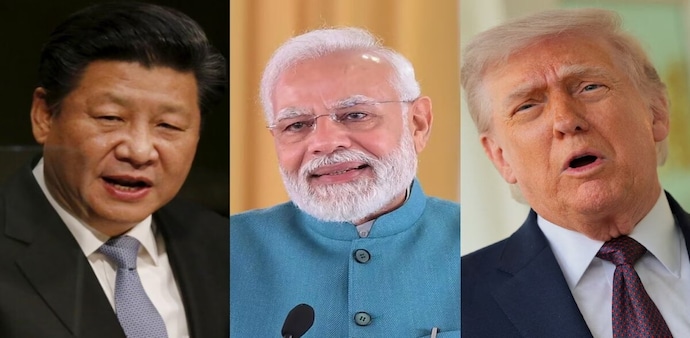
A revised version of a major Russia sanctions bill unveiled in the US Senate on Tuesday has softened the tariff threat facing India and China, the two largest buyers of Russian crude oil. The updated legislation lowers the maximum tariff on countries purchasing Russian oil and gas to 100%, down sharply from the blanket 500% proposed in the original bill.
The bipartisan measure, backed by both Republican and Democratic senators, is designed to pressure countries into reducing their dependence on Russian energy while imposing direct sanctions on Russian officials, the country's shadow oil tanker fleet, major financial institutions, and state-owned energy projects.
What the revised bill proposes
The bill targets the top five purchasers of Russian crude, China, India, Slovakia, Hungary, and Azerbaijan, with tariffs of up to 100% on their imports. The top importers of Russian natural gas are China, France, Japan, Hungary, and Belgium.
An exception has been built in for countries importing less than 15% of Russia's natural gas exports that are also taking meaningful steps to reduce those imports, a carve-out that could exempt Japan, France, Hungary, and Belgium from the tariff provisions.
The measure also extends sanctions to Russia's shadow fleet of tankers that operate outside Western maritime services, the Central Bank of the Russian Federation, and major state-owned energy ventures including Yamal LNG and Arctic LNG 1, 2, and 3.
Crucially, the new version gives US President Donald Trump the authority to waive the sanctions if he determines doing so is in the national interest, a provision that reflects the months of negotiations required to bring the White House on board.
The political dynamics
The bill had been championed by the late Senator Lindsey Graham, a Republican from South Carolina, who introduced it in April 2025 alongside Connecticut Democrat Richard Blumenthal. Senate aides said 26 senators had co-sponsored the legislation and expected that number to grow within hours, expressing confidence about its path forward. "We're pretty confident on its path," one aide said.
On the softening of some provisions, another aide was blunt about why. "This is the only product that currently has buy-in from everybody and is likely the only product that is going to move forward and put pressure on Russia the way we would all like to get," the aide said, speaking on condition of anonymity because the discussions were confidential.
Graham died suddenly on Saturday, just a day after announcing in Ukraine that Trump had agreed to move the bill forward. Trump acknowledged the significance of that timing. "This is in honor of Lindsey. This was his thing. He wanted this more than anything. You know how he felt, and there's a good chance that it gets done," he told reporters at the White House.
The Iran question
Trump suggested during the same White House appearance that sanctions on Iran and Hezbollah could be added to the bill, calling it a "very big thing" if those measures were included. Blumenthal pushed back. "With all due respect to the president, he has approved this bill, and we should move forward with this bill rather than opening it, in my view, to other potential targets," he told reporters.
A second Senate aide indicated the bill already contains provisions exposing countries like Iran that work with Russia's defence industrial base to sanctions and tariffs, suggesting some of those concerns may already be addressed within the existing text.
(With inputs from Reuters)
A revised version of a major Russia sanctions bill unveiled in the US Senate on Tuesday has softened the tariff threat facing India and China, the two largest buyers of Russian crude oil. The updated legislation lowers the maximum tariff on countries purchasing Russian oil and gas to 100%, down sharply from the blanket 500% proposed in the original bill.
The bipartisan measure, backed by both Republican and Democratic senators, is designed to pressure countries into reducing their dependence on Russian energy while imposing direct sanctions on Russian officials, the country's shadow oil tanker fleet, major financial institutions, and state-owned energy projects.
What the revised bill proposes
The bill targets the top five purchasers of Russian crude, China, India, Slovakia, Hungary, and Azerbaijan, with tariffs of up to 100% on their imports. The top importers of Russian natural gas are China, France, Japan, Hungary, and Belgium.
An exception has been built in for countries importing less than 15% of Russia's natural gas exports that are also taking meaningful steps to reduce those imports, a carve-out that could exempt Japan, France, Hungary, and Belgium from the tariff provisions.
The measure also extends sanctions to Russia's shadow fleet of tankers that operate outside Western maritime services, the Central Bank of the Russian Federation, and major state-owned energy ventures including Yamal LNG and Arctic LNG 1, 2, and 3.
Crucially, the new version gives US President Donald Trump the authority to waive the sanctions if he determines doing so is in the national interest, a provision that reflects the months of negotiations required to bring the White House on board.
The political dynamics
The bill had been championed by the late Senator Lindsey Graham, a Republican from South Carolina, who introduced it in April 2025 alongside Connecticut Democrat Richard Blumenthal. Senate aides said 26 senators had co-sponsored the legislation and expected that number to grow within hours, expressing confidence about its path forward. "We're pretty confident on its path," one aide said.
On the softening of some provisions, another aide was blunt about why. "This is the only product that currently has buy-in from everybody and is likely the only product that is going to move forward and put pressure on Russia the way we would all like to get," the aide said, speaking on condition of anonymity because the discussions were confidential.
Graham died suddenly on Saturday, just a day after announcing in Ukraine that Trump had agreed to move the bill forward. Trump acknowledged the significance of that timing. "This is in honor of Lindsey. This was his thing. He wanted this more than anything. You know how he felt, and there's a good chance that it gets done," he told reporters at the White House.
The Iran question
Trump suggested during the same White House appearance that sanctions on Iran and Hezbollah could be added to the bill, calling it a "very big thing" if those measures were included. Blumenthal pushed back. "With all due respect to the president, he has approved this bill, and we should move forward with this bill rather than opening it, in my view, to other potential targets," he told reporters.
A second Senate aide indicated the bill already contains provisions exposing countries like Iran that work with Russia's defence industrial base to sanctions and tariffs, suggesting some of those concerns may already be addressed within the existing text.
(With inputs from Reuters)