
Afghanistan-Pakistan conflict: US advises its citizens to leave Pakistan, over 300 Afghan fighters killed
Afghanistan-Pakistan conflict: US advises its citizens to leave Pakistan, over 300 Afghan fighters killed
The US Embassy and Consulates in Pakistan issued an advisory urging citizens to remain vigilant, maintain a low profile, and exercise caution amid heightened military activities.
Business Today Desk
- Feb 28, 2026,
- Updated Feb 28, 2026 11:14 AM IST
Tensions between Pakistan and Afghanistan have escalated sharply following recent border clashes and airstrikes, prompting a US security advisory for Americans in Pakistan and supportive statements from Washington leaders.
The US Embassy and Consulates in Pakistan issued an advisory urging citizens to remain vigilant, maintain a low profile, and exercise caution amid heightened military activities. Pakistani security forces have boosted their presence in major cities due to potential threats from Afghanistan targeting law enforcement, military sites, and commercial areas.
Advertisement
In an official statement, it said, "Due to heightened tensions between Afghanistan and Pakistan, Pakistani security forces have increased their presence in major cities in response to potential terrorist threats. Law enforcement facilities, military installations, and major commercial centres remain likely targets for terrorist organisations. The US Mission advises citizens to exercise caution when visiting these locations, particularly during peak hours."
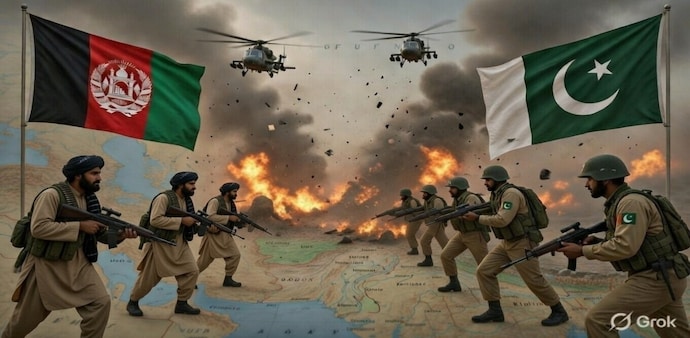
Pakistan declared "open war" on the Afghan Taliban after airstrikes on Kabul, Kandahar, and other sites, retaliating against Afghan attacks on border troops. Both sides report casualties, with fears of wider confrontation growing since Thursday.
Meanwhile, Pakistan authorities said that around 300 Afghan Taliban fighters and their allied terrorist groups have been killed so far on Saturday. Minister for Information Attaullah Tarar said that the security forces killed 297 fighters of the Afghan Taliban regime and over 450 Afghan operatives were injured.
Advertisement
He added that Pakistan destroyed 89 posts and captured 18 others during Operation Ghazab lil-Haq while around 135 tanks and armoured vehicles were destroyed. Tarar further said that around 29 locations across Afghanistan were effectively targeted by the Pakistan Air Force.
Previously, President Donald Trump, responding to questions on potential US intervention, stated he gets along "very, very well" with Pakistan, praising its Prime Minister and Army Chief as "great leaders" while noting the country is "doing terrifically well."
“I would (intervene). But I get along with Pakistan very well. They have a great Prime Minister, a great general. They have a great leader. Two of the people that I really respect a lot. Pakistan is doing terrifically well,” Trump said.
Advertisement
Under Secretary of State Allison Hooker posted on X after speaking with Pakistan's Foreign Secretary Amna Baloch, expressing condolences for the lives lost and affirming US support for Pakistan's right to defend against Taliban attacks. “We continue to monitor the situation closely and expressed support for Pakistan’s right to defend itself against Taliban attacks,” she added.
Moreover, the Afghan Taliban has said that they are ready to negotiate despite the escalation. “The Islamic Emirate of Afghanistan has always tried to resolve issues through dialogue,” Taliban spokesperson Zabihullah Mujahid said.
Tensions between Pakistan and Afghanistan have escalated sharply following recent border clashes and airstrikes, prompting a US security advisory for Americans in Pakistan and supportive statements from Washington leaders.
The US Embassy and Consulates in Pakistan issued an advisory urging citizens to remain vigilant, maintain a low profile, and exercise caution amid heightened military activities. Pakistani security forces have boosted their presence in major cities due to potential threats from Afghanistan targeting law enforcement, military sites, and commercial areas.
Advertisement
In an official statement, it said, "Due to heightened tensions between Afghanistan and Pakistan, Pakistani security forces have increased their presence in major cities in response to potential terrorist threats. Law enforcement facilities, military installations, and major commercial centres remain likely targets for terrorist organisations. The US Mission advises citizens to exercise caution when visiting these locations, particularly during peak hours."
Pakistan declared "open war" on the Afghan Taliban after airstrikes on Kabul, Kandahar, and other sites, retaliating against Afghan attacks on border troops. Both sides report casualties, with fears of wider confrontation growing since Thursday.
Meanwhile, Pakistan authorities said that around 300 Afghan Taliban fighters and their allied terrorist groups have been killed so far on Saturday. Minister for Information Attaullah Tarar said that the security forces killed 297 fighters of the Afghan Taliban regime and over 450 Afghan operatives were injured.
Advertisement
He added that Pakistan destroyed 89 posts and captured 18 others during Operation Ghazab lil-Haq while around 135 tanks and armoured vehicles were destroyed. Tarar further said that around 29 locations across Afghanistan were effectively targeted by the Pakistan Air Force.
Previously, President Donald Trump, responding to questions on potential US intervention, stated he gets along "very, very well" with Pakistan, praising its Prime Minister and Army Chief as "great leaders" while noting the country is "doing terrifically well."
“I would (intervene). But I get along with Pakistan very well. They have a great Prime Minister, a great general. They have a great leader. Two of the people that I really respect a lot. Pakistan is doing terrifically well,” Trump said.
Advertisement
Under Secretary of State Allison Hooker posted on X after speaking with Pakistan's Foreign Secretary Amna Baloch, expressing condolences for the lives lost and affirming US support for Pakistan's right to defend against Taliban attacks. “We continue to monitor the situation closely and expressed support for Pakistan’s right to defend itself against Taliban attacks,” she added.
Moreover, the Afghan Taliban has said that they are ready to negotiate despite the escalation. “The Islamic Emirate of Afghanistan has always tried to resolve issues through dialogue,” Taliban spokesperson Zabihullah Mujahid said.
Read more!