
Ali Larijani’s death confirmed: Iran says the US and Israel still don’t understand this one point
Ali Larijani death: Araghchi said Ayatollah Ali Khamenei, the former Supreme Leader, was killed during the US-Israel strikes on February 28 but the “system continued” despite the great loss.
- Mar 18, 2026,
- Updated Mar 18, 2026 11:53 AM IST
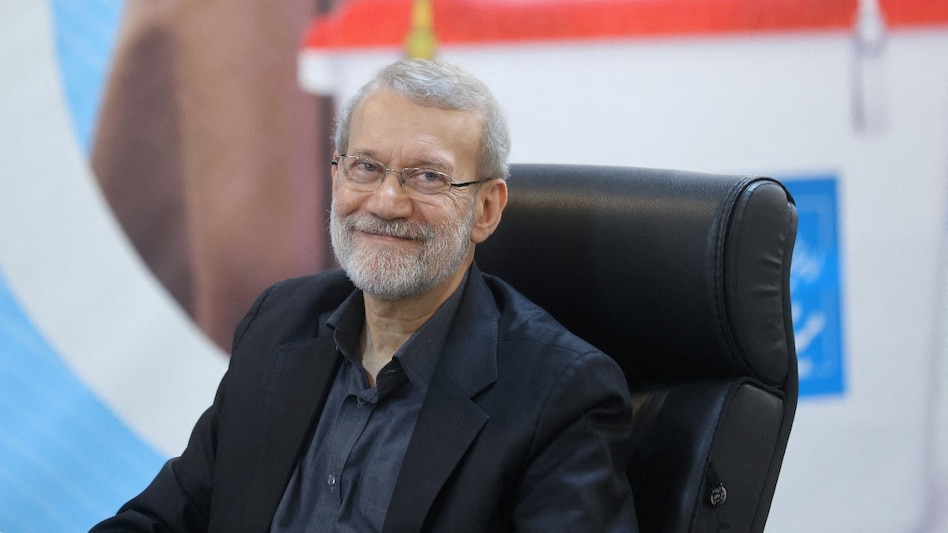
After Tehran confirmed the death of Ali Larijani, the secretary of Iran’s Supreme National Security Council, it said that the Iranian political system will not be destabilised by this setback. A single individual doesn’t affect this structure, said Iranian Minister of Foreign Affairs Abbas Araghchi.
In an interview with Al Jazeera, after Larijani's death, Araghchi said, “I do not know why the Americans and the Israelis still have not understood this point: The Islamic Republic of Iran has a strong political structure with established political, economic, and social institutions.”
“The presence or absence of a single individual does not affect this structure…Of course, individuals are influential, and each person plays their role – some better, some worse, some less – but what matters is that the political system in Iran is a very solid structure,” he said.
Araghchi said Ayatollah Ali Khamenei, the former Supreme Leader, was killed during the US-Israel strikes on February 28 but the “system continued” despite the great loss. He said there has never been anyone more important that the leader himself, but the “system continued its work and immediately provided a replacement”.
“If anyone else is martyred, it will be the same,” he said, adding that if the foreign minister – himself – is killed, there would be someone else to replace him.
Ali Larijani was a significant figure in Iran's political scene. He had held important positions including judiciary chief and foreign policy adviser, contributing to the country's core policies. Larijani led the Iranian parliament from 2008 to 2020. He also headed the Supreme National Security Council, where he oversaw defence and foreign policy issues. Between 2005 and 2007, Larijani served as the chief negotiator and supported uranium enrichment strongly. He was born in 1958 in Najaf, Iraq, to clerical parents and grew up in Iran during the Islamic Revolution. He also fought in the Iran-Iraq War as a member of the Revolutionary Guards.
Iran’s Brigadier General Gholamreza Soleimani, the head of Iran’s Basij forces, was also killed in a US-Israel attack. Soleimani was considered a key leader in the fightback against the US-Israel war on Iran.
Araghchi said that the conflict in the Gulf region was not of Tehran’s choosing, the US must be held responsible. “The United States started it and is responsible for all the consequences of this war – human and financial – whether for Iran, for the region, or for the entire world,” he said in the interview.
After Tehran confirmed the death of Ali Larijani, the secretary of Iran’s Supreme National Security Council, it said that the Iranian political system will not be destabilised by this setback. A single individual doesn’t affect this structure, said Iranian Minister of Foreign Affairs Abbas Araghchi.
In an interview with Al Jazeera, after Larijani's death, Araghchi said, “I do not know why the Americans and the Israelis still have not understood this point: The Islamic Republic of Iran has a strong political structure with established political, economic, and social institutions.”
“The presence or absence of a single individual does not affect this structure…Of course, individuals are influential, and each person plays their role – some better, some worse, some less – but what matters is that the political system in Iran is a very solid structure,” he said.
Araghchi said Ayatollah Ali Khamenei, the former Supreme Leader, was killed during the US-Israel strikes on February 28 but the “system continued” despite the great loss. He said there has never been anyone more important that the leader himself, but the “system continued its work and immediately provided a replacement”.
“If anyone else is martyred, it will be the same,” he said, adding that if the foreign minister – himself – is killed, there would be someone else to replace him.
Ali Larijani was a significant figure in Iran's political scene. He had held important positions including judiciary chief and foreign policy adviser, contributing to the country's core policies. Larijani led the Iranian parliament from 2008 to 2020. He also headed the Supreme National Security Council, where he oversaw defence and foreign policy issues. Between 2005 and 2007, Larijani served as the chief negotiator and supported uranium enrichment strongly. He was born in 1958 in Najaf, Iraq, to clerical parents and grew up in Iran during the Islamic Revolution. He also fought in the Iran-Iraq War as a member of the Revolutionary Guards.
Iran’s Brigadier General Gholamreza Soleimani, the head of Iran’s Basij forces, was also killed in a US-Israel attack. Soleimani was considered a key leader in the fightback against the US-Israel war on Iran.
Araghchi said that the conflict in the Gulf region was not of Tehran’s choosing, the US must be held responsible. “The United States started it and is responsible for all the consequences of this war – human and financial – whether for Iran, for the region, or for the entire world,” he said in the interview.