
Beijing tower crash: Pilot suffered anxiety, wrote about suicide in diary, probe finds
The crash killed the 66-year-old pilot, identified only by his surname Liu
- Jul 2, 2026,
- Updated Jul 2, 2026 4:10 PM IST
The pilot of the light aircraft that crashed into Beijing's tallest skyscraper last week had a long history of anxiety and insomnia and had repeatedly written about "ending his life" in his diary, investigators said on Thursday. They concluded that the incident endangered public safety for "personal reasons."
The June 26 crash killed the 66-year-old pilot, identified only by his surname Liu, and injured 13 others.
The skyscraper in which the plane crashed is located in Beijing's central business district, not far from the Great Hall of the People and Zhongnanhai, the heavily guarded leadership compound.
Don't Miss | ‘India will be impossible to take for you if…’: Indra Nooyi’s word of advice for tourists, students
Pilot flew beyond the designated area
According to an investigation released by Beijing's Chaoyang district government, Liu was a Beijing resident, divorced, lived alone, and worked as a freelancer.
He obtained a sport pilot licence in 2021 and a private pilot licence in 2024.
Investigators said Liu took off from a general aviation airport in Beijing's Pinggu district in an Aurora SA60L, a single-engine, two-seat light sport aircraft.
"Liu first carried out an accompanied flight before taking off alone. During the solo flight, he left the designated operating area and lost contact with the airport before the aircraft hit the skyscraper," the statement said.
Officials said Liu had suffered from long-term insomnia and anxiety, and that his diary contained repeated references to ending his life.
Must Read | 'One hell of a problem for India': Taiwan crisis will be bigger than Hormuz
Probe cites 'personal reasons'
"The incident was determined to be a case of endangering public safety caused by personal reasons," the Chaoyang district government said, according to the Hong Kong-based South China Morning Post.
However, the district government's statement did not explain how the aircraft was able to travel from Pinggu district into one of the most sensitive and densely populated parts of the Chinese capital, the newspaper noted.
Security concerns intensify
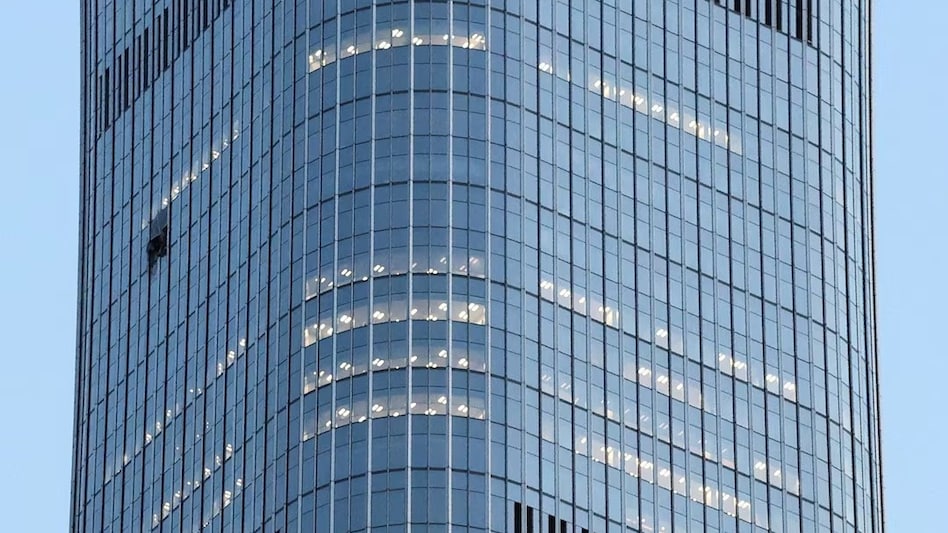
The building struck was the 528-metre Citic Tower, also known as China Zun, the tallest building in Beijing.
The collision prompted an evacuation and sent debris falling onto nearby streets and green spaces.
The incident also led to heightened scrutiny of flight operations. Posts and photographs related to the crash were quickly removed from Chinese social media, while flight schools across the country were instructed to suspend training and undergo safety inspections.
Flying a light sport aircraft in Beijing requires approval from both the Civil Aviation Administration of China and the People's Liberation Army Air Force.
Last month, Beijing also introduced sweeping airspace regulations requiring prior government and air traffic approval for all outdoor flights, effectively banning casual recreational flying and consumer drones.
The investigation concluded that the pilot's history of anxiety, insomnia, and repeated diary entries about ending his life pointed to personal motives behind the crash, which has since prompted tighter oversight of flight training and aircraft operations.
(With inputs from PTI)
The pilot of the light aircraft that crashed into Beijing's tallest skyscraper last week had a long history of anxiety and insomnia and had repeatedly written about "ending his life" in his diary, investigators said on Thursday. They concluded that the incident endangered public safety for "personal reasons."
The June 26 crash killed the 66-year-old pilot, identified only by his surname Liu, and injured 13 others.
The skyscraper in which the plane crashed is located in Beijing's central business district, not far from the Great Hall of the People and Zhongnanhai, the heavily guarded leadership compound.
Don't Miss | ‘India will be impossible to take for you if…’: Indra Nooyi’s word of advice for tourists, students
Pilot flew beyond the designated area
According to an investigation released by Beijing's Chaoyang district government, Liu was a Beijing resident, divorced, lived alone, and worked as a freelancer.
He obtained a sport pilot licence in 2021 and a private pilot licence in 2024.
Investigators said Liu took off from a general aviation airport in Beijing's Pinggu district in an Aurora SA60L, a single-engine, two-seat light sport aircraft.
"Liu first carried out an accompanied flight before taking off alone. During the solo flight, he left the designated operating area and lost contact with the airport before the aircraft hit the skyscraper," the statement said.
Officials said Liu had suffered from long-term insomnia and anxiety, and that his diary contained repeated references to ending his life.
Must Read | 'One hell of a problem for India': Taiwan crisis will be bigger than Hormuz
Probe cites 'personal reasons'
"The incident was determined to be a case of endangering public safety caused by personal reasons," the Chaoyang district government said, according to the Hong Kong-based South China Morning Post.
However, the district government's statement did not explain how the aircraft was able to travel from Pinggu district into one of the most sensitive and densely populated parts of the Chinese capital, the newspaper noted.
Security concerns intensify
The building struck was the 528-metre Citic Tower, also known as China Zun, the tallest building in Beijing.
The collision prompted an evacuation and sent debris falling onto nearby streets and green spaces.
The incident also led to heightened scrutiny of flight operations. Posts and photographs related to the crash were quickly removed from Chinese social media, while flight schools across the country were instructed to suspend training and undergo safety inspections.
Flying a light sport aircraft in Beijing requires approval from both the Civil Aviation Administration of China and the People's Liberation Army Air Force.
Last month, Beijing also introduced sweeping airspace regulations requiring prior government and air traffic approval for all outdoor flights, effectively banning casual recreational flying and consumer drones.
The investigation concluded that the pilot's history of anxiety, insomnia, and repeated diary entries about ending his life pointed to personal motives behind the crash, which has since prompted tighter oversight of flight training and aircraft operations.
(With inputs from PTI)