
BT Explainer: PERM suspension unlikely to dent Indian IT firms, but wider US curbs pose risk
The PERM suspension is unlikely to hit Indian IT firms’ margins or business models immediately, but wider US immigration curbs could accelerate local hiring, offshore delivery, and AI-led transformation.
- Oct 12, 2026,
- Updated Oct 12, 2026 2:38 PM IST
The Trump administration’s suspension of Permanent Labour Certification (PERM) processing for Microsoft, Adobe, and several major IT outsourcing and consulting firms is unlikely to materially disrupt Indian IT services companies in the near term, but could reinforce the industry’s shift towards offshore delivery and artificial intelligence-led operations, analysts said.
The immediate impact on Indian IT companies is expected to be limited, as leading firms have already scaled back their dependence on PERM filings and localised a significant portion of their US workforces. The greater concern for the sector would be any expansion of immigration restrictions to temporary work visas, particularly the H-1B programme, which plays a role in deploying specialised talent to client locations.
“The direct impact is negligible, as Indian IT companies had already substantially reduced their PERM filings. The suspension is unlikely to fundamentally alter their US business models; the bigger risk is any extension of restrictions to H-1B visas,” said Sushovon Nayak, research analyst at Anand Rathi Institutional Equities.
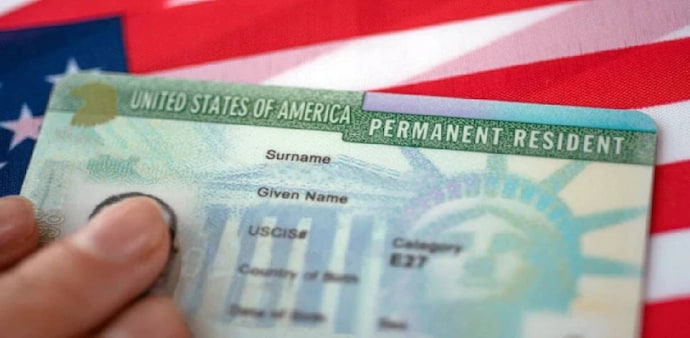
PERM is a labour certification process that US employers generally need to complete before sponsoring eligible foreign workers for employment-based green cards. A suspension can affect the permanent residency pathway for impacted employees, potentially influencing retention and long-term workforce planning.
The development is unlikely, by itself, to trigger a significant acceleration in local hiring by Indian IT services providers. Companies have already expanded their US-based workforce over the years to meet client requirements and manage immigration-related constraints.
“PERM alone is unlikely to accelerate this trend materially. However, broader immigration restrictions could encourage further local hiring alongside increased offshore and AI-led delivery,” Nayak said.
A greater reliance on US-based employees could raise staffing costs and weigh on operating margins, given the higher cost of local talent compared with offshore delivery teams in India. However, analysts expect no meaningful near-term margin impact from the PERM suspension alone, given the limited dependence on the process.
“Any broader restrictions requiring higher-cost US hiring could pressure margins, although increased offshoring and AI-led productivity should provide some offset,” Nayak said.
Over the longer term, the move could add to pressure on Indian IT firms to decouple revenue growth from the number of employees deployed onsite. Automation, AI-enabled services and agentic delivery models could help companies execute more work remotely, reducing dependence on immigration-linked staffing.
Exposure will also vary by company, depending on actual PERM dependence rather than size alone. Nayak noted that TCS and Infosys had reported minimal recent filings, while firms with established US workforces and scalable offshore delivery capabilities were relatively better positioned. Microsoft and Adobe, meanwhile, operate under different business models, making direct comparisons with Indian outsourcing firms less meaningful.
“The suspension reinforces the industry's ongoing transition towards offshore and AI-enabled delivery, reducing the dependence of revenue growth on onsite headcount,” Nayak said.
For investors, the immediate disruption may therefore be limited, but the policy shift adds another variable to the sector’s long-term operating environment. Nayak said knee-jerk sell-offs could offer entry points, while the broader direction of US immigration policy and the pace of AI adoption will remain important factors for Indian IT companies.
The Trump administration’s suspension of Permanent Labour Certification (PERM) processing for Microsoft, Adobe, and several major IT outsourcing and consulting firms is unlikely to materially disrupt Indian IT services companies in the near term, but could reinforce the industry’s shift towards offshore delivery and artificial intelligence-led operations, analysts said.
The immediate impact on Indian IT companies is expected to be limited, as leading firms have already scaled back their dependence on PERM filings and localised a significant portion of their US workforces. The greater concern for the sector would be any expansion of immigration restrictions to temporary work visas, particularly the H-1B programme, which plays a role in deploying specialised talent to client locations.
“The direct impact is negligible, as Indian IT companies had already substantially reduced their PERM filings. The suspension is unlikely to fundamentally alter their US business models; the bigger risk is any extension of restrictions to H-1B visas,” said Sushovon Nayak, research analyst at Anand Rathi Institutional Equities.
PERM is a labour certification process that US employers generally need to complete before sponsoring eligible foreign workers for employment-based green cards. A suspension can affect the permanent residency pathway for impacted employees, potentially influencing retention and long-term workforce planning.
The development is unlikely, by itself, to trigger a significant acceleration in local hiring by Indian IT services providers. Companies have already expanded their US-based workforce over the years to meet client requirements and manage immigration-related constraints.
“PERM alone is unlikely to accelerate this trend materially. However, broader immigration restrictions could encourage further local hiring alongside increased offshore and AI-led delivery,” Nayak said.
A greater reliance on US-based employees could raise staffing costs and weigh on operating margins, given the higher cost of local talent compared with offshore delivery teams in India. However, analysts expect no meaningful near-term margin impact from the PERM suspension alone, given the limited dependence on the process.
“Any broader restrictions requiring higher-cost US hiring could pressure margins, although increased offshoring and AI-led productivity should provide some offset,” Nayak said.
Over the longer term, the move could add to pressure on Indian IT firms to decouple revenue growth from the number of employees deployed onsite. Automation, AI-enabled services and agentic delivery models could help companies execute more work remotely, reducing dependence on immigration-linked staffing.
Exposure will also vary by company, depending on actual PERM dependence rather than size alone. Nayak noted that TCS and Infosys had reported minimal recent filings, while firms with established US workforces and scalable offshore delivery capabilities were relatively better positioned. Microsoft and Adobe, meanwhile, operate under different business models, making direct comparisons with Indian outsourcing firms less meaningful.
“The suspension reinforces the industry's ongoing transition towards offshore and AI-enabled delivery, reducing the dependence of revenue growth on onsite headcount,” Nayak said.
For investors, the immediate disruption may therefore be limited, but the policy shift adds another variable to the sector’s long-term operating environment. Nayak said knee-jerk sell-offs could offer entry points, while the broader direction of US immigration policy and the pace of AI adoption will remain important factors for Indian IT companies.