
BT Explainer: What is Iran's ‘black rain’? What it reveals about war’s environmental damage
One of the most well-known examples occurred during the Gulf War, when hundreds of oil wells in Kuwait were deliberately set on fire. The burning wells released massive plumes of soot that spread across the region, leading to darkened rainfall and severe air pollution.
- Mar 27, 2026,
- Updated Mar 27, 2026 3:16 PM IST
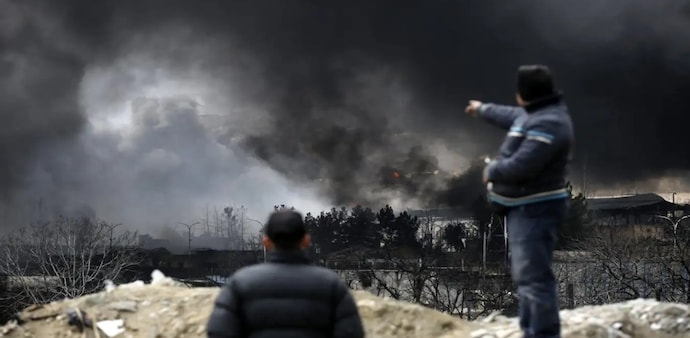
Reports of “black rain” falling in parts of Iran earlier this month have drawn attention to an unsettling environmental side effect of wartime destruction. The phenomenon, previously seen in major conflicts and disasters, occurs when massive fires release soot and toxic particles that later fall back to Earth with rainfall.
Environmental experts say the phenomenon highlights how attacks on oil and energy infrastructure can produce environmental damage that persists long after the immediate fires are extinguished.
Here is how black rain forms and why it has appeared during recent strikes on Iranian oil facilities.
What is black rain?
Black rain is a form of polluted precipitation that occurs when smoke, ash and soot from large fires mix with rainclouds.
When these particles combine with rainwater, the precipitation that falls to the ground can appear dark, oily or muddy. The rain often carries chemical pollutants and fine particulate matter from the smoke plume.
While rainfall can help clear smoke from the air, it also deposits those contaminants onto land, crops and water sources.
Why did it occur in Iran?
The black rain reported in Iran followed strikes on oil facilities that ignited large quantities of stored fuel.
When petroleum burns in uncontrolled fires, it releases vast amounts of soot and partially burned hydrocarbons. Unlike controlled combustion in engines, such fires produce thick smoke loaded with particulate matter and toxic chemicals.
These particles rise with the hot air currents created by the fire. As the smoke reaches cooler layers of the atmosphere, the particles help form raindrops by acting as condensation nuclei.
Once rainclouds develop, the polluted droplets fall back to the ground as darkened rainfall.
What chemicals may be present?
Experts say black rain generated by burning petroleum may contain hazardous organic compounds produced during incomplete combustion.
These can include benzene, acetone, toluene and methylene chloride. Many of these substances are associated with cancer risks and long-term environmental contamination.
When the rain falls, these pollutants may settle on farmland and vegetation, potentially damaging crops. They can also wash into rivers, reservoirs or groundwater sources, raising concerns about drinking water safety.
Has black rain happened before?
Yes. Black rain has been documented in several major conflicts and environmental disasters.
One of the most well-known examples occurred during the Gulf War, when hundreds of oil wells in Kuwait were deliberately set on fire. The burning wells released massive plumes of soot that spread across the region, leading to darkened rainfall and severe air pollution.
An even more extreme case followed the atomic bombing of Hiroshima. Hours after the nuclear blast, residents reported thick, tar-like rain falling from the sky. The precipitation carried radioactive ash and debris from the explosion, and in some areas the radiation levels were so high that it caused burns on exposed skin.
How dangerous is the black rain in Iran?
The black rain reported in Iran is considered far less dangerous than the radioactive fallout seen in Hiroshima.
However, it may still contain toxic pollutants from burning petroleum products. Exposure to these chemicals over time can affect human health, damage vegetation and contaminate soil or water systems.
Environmental experts say the phenomenon highlights how attacks on oil and energy infrastructure can produce environmental damage that persists long after the immediate fires are extinguished.
Why it matters
Black rain is a stark reminder that the environmental impacts of war often spread far beyond the original strike zones.
Smoke plumes can travel hundreds of kilometres, and the pollutants they carry may eventually fall with rain over large areas. For communities on the ground, the aftermath of conflict can therefore include not only destroyed infrastructure but also lingering ecological and health risks.
Reports of “black rain” falling in parts of Iran earlier this month have drawn attention to an unsettling environmental side effect of wartime destruction. The phenomenon, previously seen in major conflicts and disasters, occurs when massive fires release soot and toxic particles that later fall back to Earth with rainfall.
Environmental experts say the phenomenon highlights how attacks on oil and energy infrastructure can produce environmental damage that persists long after the immediate fires are extinguished.
Here is how black rain forms and why it has appeared during recent strikes on Iranian oil facilities.
What is black rain?
Black rain is a form of polluted precipitation that occurs when smoke, ash and soot from large fires mix with rainclouds.
When these particles combine with rainwater, the precipitation that falls to the ground can appear dark, oily or muddy. The rain often carries chemical pollutants and fine particulate matter from the smoke plume.
While rainfall can help clear smoke from the air, it also deposits those contaminants onto land, crops and water sources.
Why did it occur in Iran?
The black rain reported in Iran followed strikes on oil facilities that ignited large quantities of stored fuel.
When petroleum burns in uncontrolled fires, it releases vast amounts of soot and partially burned hydrocarbons. Unlike controlled combustion in engines, such fires produce thick smoke loaded with particulate matter and toxic chemicals.
These particles rise with the hot air currents created by the fire. As the smoke reaches cooler layers of the atmosphere, the particles help form raindrops by acting as condensation nuclei.
Once rainclouds develop, the polluted droplets fall back to the ground as darkened rainfall.
What chemicals may be present?
Experts say black rain generated by burning petroleum may contain hazardous organic compounds produced during incomplete combustion.
These can include benzene, acetone, toluene and methylene chloride. Many of these substances are associated with cancer risks and long-term environmental contamination.
When the rain falls, these pollutants may settle on farmland and vegetation, potentially damaging crops. They can also wash into rivers, reservoirs or groundwater sources, raising concerns about drinking water safety.
Has black rain happened before?
Yes. Black rain has been documented in several major conflicts and environmental disasters.
One of the most well-known examples occurred during the Gulf War, when hundreds of oil wells in Kuwait were deliberately set on fire. The burning wells released massive plumes of soot that spread across the region, leading to darkened rainfall and severe air pollution.
An even more extreme case followed the atomic bombing of Hiroshima. Hours after the nuclear blast, residents reported thick, tar-like rain falling from the sky. The precipitation carried radioactive ash and debris from the explosion, and in some areas the radiation levels were so high that it caused burns on exposed skin.
How dangerous is the black rain in Iran?
The black rain reported in Iran is considered far less dangerous than the radioactive fallout seen in Hiroshima.
However, it may still contain toxic pollutants from burning petroleum products. Exposure to these chemicals over time can affect human health, damage vegetation and contaminate soil or water systems.
Environmental experts say the phenomenon highlights how attacks on oil and energy infrastructure can produce environmental damage that persists long after the immediate fires are extinguished.
Why it matters
Black rain is a stark reminder that the environmental impacts of war often spread far beyond the original strike zones.
Smoke plumes can travel hundreds of kilometres, and the pollutants they carry may eventually fall with rain over large areas. For communities on the ground, the aftermath of conflict can therefore include not only destroyed infrastructure but also lingering ecological and health risks.