
‘Ceasefire unreasonable,’ says Iran after Israeli strike in Lebanon kills 254
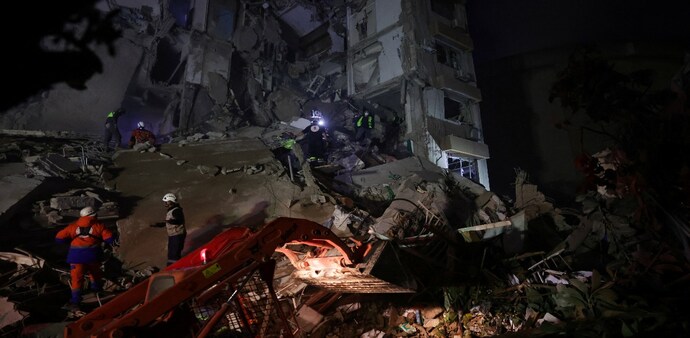
Lebanon's civil defence reported 254 deaths from Israeli strikes on Wednesday, with Beirut suffering the highest casualties.
- Apr 9, 2026,
- Updated Apr 9, 2026 8:04 AM IST
Iran said that Israel violated the ceasefire by intensifying attacks on Hezbollah in Lebanon. This comes after Israel carried out its heaviest strikes yet on Wednesday in Lebanon, killing hundreds and prompting a warning of retaliation from Iran. Iran's parliament speaker and lead negotiator, Mohammed Bager Qalibaf, criticised the ceasefire announced by US President Donald Trump on Tuesday. He also accused the US of breaking the agreement by demanding Iran abandon its nuclear programme.
Lebanon's civil defence reported 254 deaths from Israeli strikes on Wednesday, with Beirut suffering the highest casualties. Some attacks reportedly occurred without prior civilian warnings. Hezbollah responded by firing rockets into northern Israel, citing ceasefire violations.
"In such a situation, a bilateral ceasefire or negotiations were unreasonable," Qalibaf said in a statement.
Israeli Prime Minister Benjamin Netanyahu confirmed that strikes in Lebanon would continue, stating the ceasefire did not apply there. US Vice President JD Vance, said, "I think the Iranians thought that the ceasefire included Lebanon, and it just didn't."
The two sides remain divided over Iran's nuclear ambitions, a key issue in the conflict. While President Trump claimed Iran agreed to halt uranium enrichment and hand over stockpiles, Qalibaf said enrichment was allowed under the ceasefire terms.
Despite both Iran and the US declaring victory after weeks of conflict, major disagreements remained. The peace talks are set to begin on Saturday.
French President Emmanuel Macron condemned the Israeli attacks and urged that Lebanon be fully covered by the ceasefire. Leaders from 13 European countries, Japan, and Canada issued a joint statement supporting the ceasefire and calling for an end to hostilities to prevent a global energy crisis.
Tensions increased as Iran targeted oil facilities in Gulf countries including Saudi Arabia, Kuwait, Bahrain, and the UAE. The Strait of Hormuz remained closed to vessels without permits, with Iran offering alternative shipping routes to avoid naval mines.
Iran said that Israel violated the ceasefire by intensifying attacks on Hezbollah in Lebanon. This comes after Israel carried out its heaviest strikes yet on Wednesday in Lebanon, killing hundreds and prompting a warning of retaliation from Iran. Iran's parliament speaker and lead negotiator, Mohammed Bager Qalibaf, criticised the ceasefire announced by US President Donald Trump on Tuesday. He also accused the US of breaking the agreement by demanding Iran abandon its nuclear programme.
Lebanon's civil defence reported 254 deaths from Israeli strikes on Wednesday, with Beirut suffering the highest casualties. Some attacks reportedly occurred without prior civilian warnings. Hezbollah responded by firing rockets into northern Israel, citing ceasefire violations.
"In such a situation, a bilateral ceasefire or negotiations were unreasonable," Qalibaf said in a statement.
Israeli Prime Minister Benjamin Netanyahu confirmed that strikes in Lebanon would continue, stating the ceasefire did not apply there. US Vice President JD Vance, said, "I think the Iranians thought that the ceasefire included Lebanon, and it just didn't."
The two sides remain divided over Iran's nuclear ambitions, a key issue in the conflict. While President Trump claimed Iran agreed to halt uranium enrichment and hand over stockpiles, Qalibaf said enrichment was allowed under the ceasefire terms.
Despite both Iran and the US declaring victory after weeks of conflict, major disagreements remained. The peace talks are set to begin on Saturday.
French President Emmanuel Macron condemned the Israeli attacks and urged that Lebanon be fully covered by the ceasefire. Leaders from 13 European countries, Japan, and Canada issued a joint statement supporting the ceasefire and calling for an end to hostilities to prevent a global energy crisis.
Tensions increased as Iran targeted oil facilities in Gulf countries including Saudi Arabia, Kuwait, Bahrain, and the UAE. The Strait of Hormuz remained closed to vessels without permits, with Iran offering alternative shipping routes to avoid naval mines.