
'Chaos in West Asia can travel fast': Ex-foreign secretary warns India against rushing on Iran
'India should closely gauge developments from all sides, avoid rushing to conclusions, and build its assessments around multiple plausible scenarios rather than a single prediction,' says former foreign secretary Nirupama Rao
- Jan 14, 2026,
- Updated Jan 14, 2026 7:34 PM IST
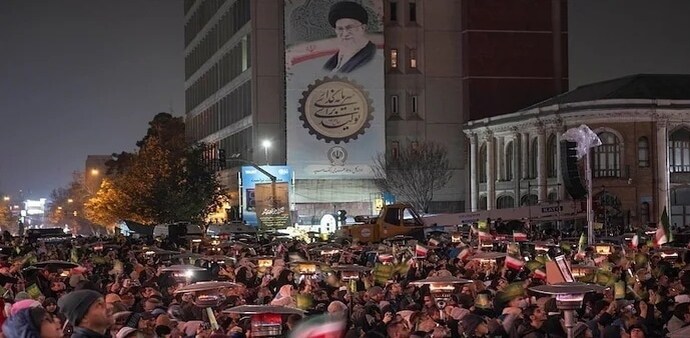
As nationwide protests shake Iran and the security situation deteriorates rapidly, former foreign secretary Nirupama Rao on Wednesday cautioned New Delhi against haste. She warned that the scale and volatility of the unrest had reached a point where external actors could neither control events nor reliably shape outcomes, making distance and vigilance essential.
"India's approach has to be measured and carefully calibrated. It should keep a certain distance, because the situation in Iran has reached a point where outside actors cannot control the ramifications, nor reliably shape the outcome," Rao said. "The first duty is protection: the interests of Indian citizens in Iran, and in the wider region, must be safeguarded through strong consular readiness and contingency planning."
The former foreign secretary underlined that India should resist the impulse to draw early conclusions from a fast-moving crisis, and instead assess developments through multiple scenarios.
"India should closely gauge developments from all sides, avoid rushing to conclusions, and build its assessments around multiple plausible scenarios rather than a single prediction. What matters is not commentary but preparedness: understanding where this could go, what spillovers are most likely, and which channels of communication must remain open."
Rao, who served as foreign secretary from 2009 to 2011, also flagged the broader regional risks if Iran were to slide into prolonged instability or fragmentation, warning that the impact would extend well beyond its borders.
"Chaos in West Asia can travel fast through energy markets, shipping routes, diaspora vulnerabilities, and the wider ecology of militancy and criminal networks. South Asia is not insulated from that. India’s strategy, therefore, should be one of strategic caution, steady engagement, and continuous assessment, while resisting the temptation to posture or overinterpret an unfolding crisis," she said.
Meanwhile, India issued a fresh advisory earlier in the day, asking its nationals in Iran to leave the country using available means of transport. "In view of the evolving situation in Iran, Indian nationals who are currently in Iran (students, pilgrims, business persons and tourists) are advised to leave Iran by available means of transport, including commercial flights," the Indian embassy said.
The protests began late last month in Tehran after Iran’s currency, the rial, plunged to record lows. What started as demonstrations over economic distress has since spread to all 31 provinces.
According to the US-based Human Rights Activists News Agency (HRANA), the death toll from the nationwide protests has climbed to over 2,500 in recent days, underscoring the scale of the unrest.
US President Donald Trump has warned Tehran against a brutal crackdown on demonstrators, indicating the possibility of US military strikes. Addressing protesters on Tuesday, Trump said that "help is on the way."
As nationwide protests shake Iran and the security situation deteriorates rapidly, former foreign secretary Nirupama Rao on Wednesday cautioned New Delhi against haste. She warned that the scale and volatility of the unrest had reached a point where external actors could neither control events nor reliably shape outcomes, making distance and vigilance essential.
"India's approach has to be measured and carefully calibrated. It should keep a certain distance, because the situation in Iran has reached a point where outside actors cannot control the ramifications, nor reliably shape the outcome," Rao said. "The first duty is protection: the interests of Indian citizens in Iran, and in the wider region, must be safeguarded through strong consular readiness and contingency planning."
The former foreign secretary underlined that India should resist the impulse to draw early conclusions from a fast-moving crisis, and instead assess developments through multiple scenarios.
"India should closely gauge developments from all sides, avoid rushing to conclusions, and build its assessments around multiple plausible scenarios rather than a single prediction. What matters is not commentary but preparedness: understanding where this could go, what spillovers are most likely, and which channels of communication must remain open."
Rao, who served as foreign secretary from 2009 to 2011, also flagged the broader regional risks if Iran were to slide into prolonged instability or fragmentation, warning that the impact would extend well beyond its borders.
"Chaos in West Asia can travel fast through energy markets, shipping routes, diaspora vulnerabilities, and the wider ecology of militancy and criminal networks. South Asia is not insulated from that. India’s strategy, therefore, should be one of strategic caution, steady engagement, and continuous assessment, while resisting the temptation to posture or overinterpret an unfolding crisis," she said.
Meanwhile, India issued a fresh advisory earlier in the day, asking its nationals in Iran to leave the country using available means of transport. "In view of the evolving situation in Iran, Indian nationals who are currently in Iran (students, pilgrims, business persons and tourists) are advised to leave Iran by available means of transport, including commercial flights," the Indian embassy said.
The protests began late last month in Tehran after Iran’s currency, the rial, plunged to record lows. What started as demonstrations over economic distress has since spread to all 31 provinces.
According to the US-based Human Rights Activists News Agency (HRANA), the death toll from the nationwide protests has climbed to over 2,500 in recent days, underscoring the scale of the unrest.
US President Donald Trump has warned Tehran against a brutal crackdown on demonstrators, indicating the possibility of US military strikes. Addressing protesters on Tuesday, Trump said that "help is on the way."