
'Dangerous precedent for the world': UAE oil chief warns on Iran's control over Strait of Hormuz
The Strait must be open - fully, unconditionally, and without restriction, says ADNOC Managing Director and Group CEO Sultan Al Jaber
- Apr 9, 2026,
- Updated Apr 9, 2026 5:12 PM IST
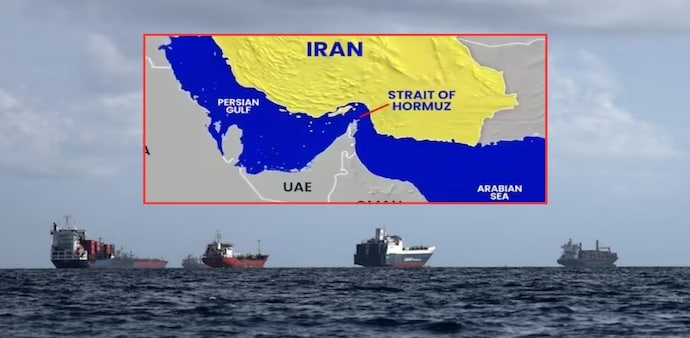
The head of the UAE's state oil company has warned that restrictions in the Strait of Hormuz risk setting a "dangerous precedent for the world", days after a ceasefire deal between Iran and the United States included reopening the key shipping route.
Must Read: Hormuz traffic crawls back, but Iran-linked ships dominate key oil route
In a LinkedIn post on Thursday, ADNOC Managing Director and Group CEO Sultan Al Jaber said, "The Strait must be open - fully, unconditionally and without restriction."
"This moment requires clarity. So let's be clear: the Strait of Hormuz is not open. Access is being restricted, conditioned, and controlled," he said.
Al Jaber accused Iran of using the waterway for leverage. "Iran has made clear - through both its statements and actions - that passage is subject to permission, conditions, and political leverage. That is not freedom of navigation. That is coercion."
Must Read: $1 per barrel in crypto: Iran's plan to charge ships crossing Strait of Hormuz
He said the Strait was not built, engineered, financed, or constructed by any state. "It is a natural passage governed by the United Nations Convention on the Law of the Sea, which guarantees transit as a matter of right; not a privilege to be granted, withheld, or weaponised."
Javer said conditional passage is not passage. "It is control by another name," he added.
The comments come two days after Iran and the US agreed to a two-week ceasefire that included reopening the Strait of Hormuz, a vital corridor for global energy supplies.
Al Jaber said restrictions were already affecting global markets. "An estimated 230 vessels sit loaded with oil and ready to sail. They, and every vessel that follows, must be free to navigate this corridor without condition."
He warned that delays were tightening supply and pushing up prices. "Every day the Strait remains restricted, the consequences compound. Supply is delayed, markets tighten, prices rise."
He added that more than 20% of globally traded energy flows through the strait and called for urgent action to restore normal movement. The immediate priority is clear: "close that gap. Restore the more than 20% of globally traded energy that flows through this corridor."
Highlighting the global impact, he said the situation was particularly urgent for Asia, where 80% of these cargoes are bound. "Every day the Strait remains restricted, the consequences compound. Supply is delayed, markets tighten, prices rise. The impact is felt beyond energy markets, in economies, industries, and households worldwide. Every day matters. Every delay deepens the disruption."
Al Jaber also said the UAE had held Iran accountable for attacks on its infrastructure and called for full restoration of flows. "The UAE has reiterated its position that, following the substantial and illegal attacks on UAE civil and energy infrastructure, Iran must be held accountable and fully liable for damages and reparations.
ADNOC, the Abu Dhabi National Oil Company, is one of the world's largest oil producers, with a capacity of around 4 million barrels per day.
The head of the UAE's state oil company has warned that restrictions in the Strait of Hormuz risk setting a "dangerous precedent for the world", days after a ceasefire deal between Iran and the United States included reopening the key shipping route.
Must Read: Hormuz traffic crawls back, but Iran-linked ships dominate key oil route
In a LinkedIn post on Thursday, ADNOC Managing Director and Group CEO Sultan Al Jaber said, "The Strait must be open - fully, unconditionally and without restriction."
"This moment requires clarity. So let's be clear: the Strait of Hormuz is not open. Access is being restricted, conditioned, and controlled," he said.
Al Jaber accused Iran of using the waterway for leverage. "Iran has made clear - through both its statements and actions - that passage is subject to permission, conditions, and political leverage. That is not freedom of navigation. That is coercion."
Must Read: $1 per barrel in crypto: Iran's plan to charge ships crossing Strait of Hormuz
He said the Strait was not built, engineered, financed, or constructed by any state. "It is a natural passage governed by the United Nations Convention on the Law of the Sea, which guarantees transit as a matter of right; not a privilege to be granted, withheld, or weaponised."
Javer said conditional passage is not passage. "It is control by another name," he added.
The comments come two days after Iran and the US agreed to a two-week ceasefire that included reopening the Strait of Hormuz, a vital corridor for global energy supplies.
Al Jaber said restrictions were already affecting global markets. "An estimated 230 vessels sit loaded with oil and ready to sail. They, and every vessel that follows, must be free to navigate this corridor without condition."
He warned that delays were tightening supply and pushing up prices. "Every day the Strait remains restricted, the consequences compound. Supply is delayed, markets tighten, prices rise."
He added that more than 20% of globally traded energy flows through the strait and called for urgent action to restore normal movement. The immediate priority is clear: "close that gap. Restore the more than 20% of globally traded energy that flows through this corridor."
Highlighting the global impact, he said the situation was particularly urgent for Asia, where 80% of these cargoes are bound. "Every day the Strait remains restricted, the consequences compound. Supply is delayed, markets tighten, prices rise. The impact is felt beyond energy markets, in economies, industries, and households worldwide. Every day matters. Every delay deepens the disruption."
Al Jaber also said the UAE had held Iran accountable for attacks on its infrastructure and called for full restoration of flows. "The UAE has reiterated its position that, following the substantial and illegal attacks on UAE civil and energy infrastructure, Iran must be held accountable and fully liable for damages and reparations.
ADNOC, the Abu Dhabi National Oil Company, is one of the world's largest oil producers, with a capacity of around 4 million barrels per day.