
Deal with Myanmar rebels? US plots big rare-earth move to counter China
The rare earth push - aimed at reducing dependence on China, which processes nearly 90% of global supply - has brought renewed attention to Myanmar's Kachin region.
- Jul 29, 2025,
- Updated Jul 29, 2025 5:30 PM IST
The Trump administration is weighing proposals that could overhaul longstanding US policy on Myanmar, including potentially striking deals with ethnic Kachin rebels who control some of the world's richest deposits of heavy rare earths, Reuters reported on Tuesday.
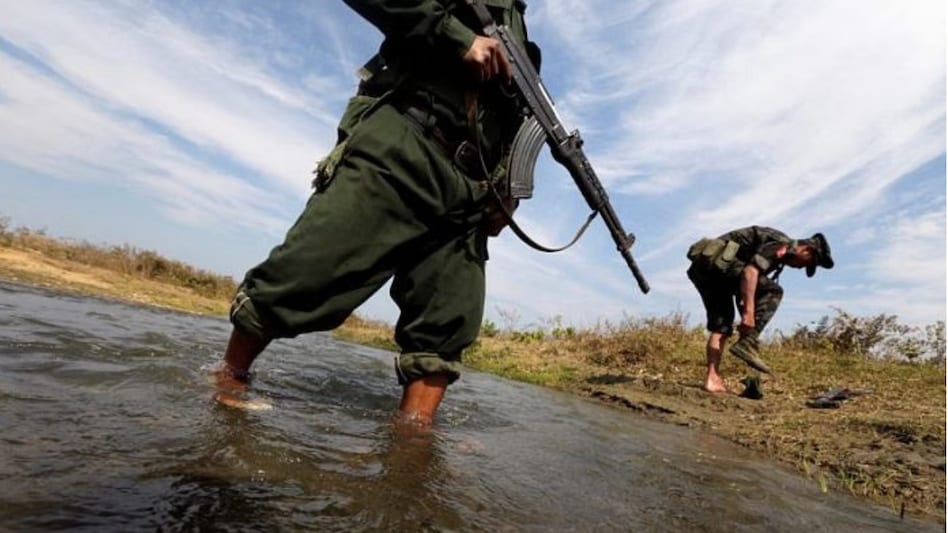
The rare earth push - aimed at reducing dependence on China, which processes nearly 90% of global supply - has brought renewed attention to Myanmar's Kachin region. The area, currently under the control of the Kachin Independence Army (KIA), supplies key heavy rare earths critical to US defense manufacturing.
Among the proposals under consideration is the possibility of the US working directly with the KIA while avoiding engagement with Myanmar's junta - or, alternatively, negotiating a broader peace arrangement with junta involvement.
A US business lobbyist, a former adviser to Aung San Suu Kyi, and intermediaries with links to the KIA have floated these ideas to senior administration officials, sources told Reuters.
"The United States could play a peace-broker role in Myanmar," said Adam Castillo, a former head of the American Chamber of Commerce in Myanmar who now runs a security firm in the country. Castillo said he urged US officials to follow "China's playbook" by brokering a bilateral self-governance deal between the junta and the KIA.
Describing Myanmar's deposits as "China's golden goose," Castillo claimed ethnic armed groups, especially the KIA, are increasingly frustrated with Chinese exploitation and are open to cooperating with the United States.
The discussions were part of a July 17 meeting at Vice President JD Vance's offices, attended by Vance's advisers on Asia and trade. Vance himself was not present.
Reuters reported that Castillo proposed working with Quad partners - particularly India - to process heavy rare earths from Myanmar for US supply chains.
Rare earths, particularly the heavier variants, are vital to high-performance defense technologies such as fighter jets. The US produces very limited amounts domestically and is reliant on foreign sources, with China dominating global capacity.
"To maintain its global dominance in rare-earth supplies, China depends on resource-rich Myanmar for raw materials containing these coveted metals," said geostrategist Brahma Chellaney. "As it seeks to counter China's near-monopoly, the Trump administration has now quietly lifted US sanctions on four individuals and three companies linked to Myanmar's junta - a small but telling step that could signal a possible shift in Washington's hardline sanctions policy, which has driven Myanmar into China's strategic orbit."
Last week, the Trump administration lifted sanctions designations on several junta-linked individuals and companies. However, US officials insisted this did not indicate a formal change in policy.
Sean Turnell, an Australian economist and former adviser to Aung San Suu Kyi, said his proposal to US officials included rare earth access through the KIA but was anchored on maintaining support for Myanmar's democratic opposition. "One of the pitches was that the US could access rare earths via KIA etc," he said, noting the group's desire to diversify from Chinese dependency.
Though no final decision has been made, several people familiar with the matter reportedly confirmed that indirect US discussions with KIA representatives have intensified in recent months.
Meanwhile, the Trump administration has also floated ideas such as easing proposed 40% tariffs on Myanmar, pulling back broader sanctions, and appointing a special envoy to execute rare earth diplomacy - all with an eye on reshaping global supply chains and bypassing China's grip.
The Trump administration is weighing proposals that could overhaul longstanding US policy on Myanmar, including potentially striking deals with ethnic Kachin rebels who control some of the world's richest deposits of heavy rare earths, Reuters reported on Tuesday.
The rare earth push - aimed at reducing dependence on China, which processes nearly 90% of global supply - has brought renewed attention to Myanmar's Kachin region. The area, currently under the control of the Kachin Independence Army (KIA), supplies key heavy rare earths critical to US defense manufacturing.
Among the proposals under consideration is the possibility of the US working directly with the KIA while avoiding engagement with Myanmar's junta - or, alternatively, negotiating a broader peace arrangement with junta involvement.
A US business lobbyist, a former adviser to Aung San Suu Kyi, and intermediaries with links to the KIA have floated these ideas to senior administration officials, sources told Reuters.
"The United States could play a peace-broker role in Myanmar," said Adam Castillo, a former head of the American Chamber of Commerce in Myanmar who now runs a security firm in the country. Castillo said he urged US officials to follow "China's playbook" by brokering a bilateral self-governance deal between the junta and the KIA.
Describing Myanmar's deposits as "China's golden goose," Castillo claimed ethnic armed groups, especially the KIA, are increasingly frustrated with Chinese exploitation and are open to cooperating with the United States.
The discussions were part of a July 17 meeting at Vice President JD Vance's offices, attended by Vance's advisers on Asia and trade. Vance himself was not present.
Reuters reported that Castillo proposed working with Quad partners - particularly India - to process heavy rare earths from Myanmar for US supply chains.
Rare earths, particularly the heavier variants, are vital to high-performance defense technologies such as fighter jets. The US produces very limited amounts domestically and is reliant on foreign sources, with China dominating global capacity.
"To maintain its global dominance in rare-earth supplies, China depends on resource-rich Myanmar for raw materials containing these coveted metals," said geostrategist Brahma Chellaney. "As it seeks to counter China's near-monopoly, the Trump administration has now quietly lifted US sanctions on four individuals and three companies linked to Myanmar's junta - a small but telling step that could signal a possible shift in Washington's hardline sanctions policy, which has driven Myanmar into China's strategic orbit."
Last week, the Trump administration lifted sanctions designations on several junta-linked individuals and companies. However, US officials insisted this did not indicate a formal change in policy.
Sean Turnell, an Australian economist and former adviser to Aung San Suu Kyi, said his proposal to US officials included rare earth access through the KIA but was anchored on maintaining support for Myanmar's democratic opposition. "One of the pitches was that the US could access rare earths via KIA etc," he said, noting the group's desire to diversify from Chinese dependency.
Though no final decision has been made, several people familiar with the matter reportedly confirmed that indirect US discussions with KIA representatives have intensified in recent months.
Meanwhile, the Trump administration has also floated ideas such as easing proposed 40% tariffs on Myanmar, pulling back broader sanctions, and appointing a special envoy to execute rare earth diplomacy - all with an eye on reshaping global supply chains and bypassing China's grip.