
‘Decisive victory’: Yunus lauds Bangladesh’s US tariff deal, highlights India’s 25% rate
“This achievement not only underscores Bangladesh's rising strength on the global stage but also opens the door to greater opportunities, accelerated growth, and lasting prosperity,” Yunus said in a congratulatory post for the negotiation team.
- Aug 1, 2025,
- Updated Aug 1, 2025 8:55 PM IST
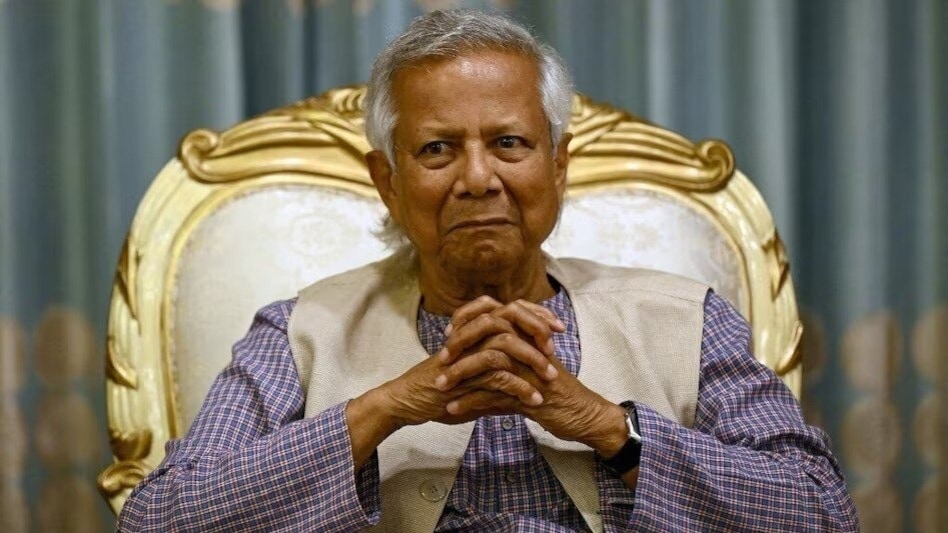
The Chief Adviser of Bangladesh’s Interim Government, Muhammad Yunus, has lauded the country’s trade negotiators for clinching a key tariff agreement with the United States. Calling it a "decisive diplomatic victory," Yunus also alluded to the broader deadlock in global trade.
“We proudly congratulate the Bangladesh tariff negotiators on securing a landmark trade deal with the United States, a decisive diplomatic victory,” Yunus said in a message issued by his press wing, describing the agreement as successful tariff negotiations with the US.
“Bangladesh secured a 20% tariff rate — comparable to its key apparel-sector competitors such as Sri Lanka, Vietnam, Pakistan, and Indonesia, which received rates between 19% and 20%. As a result, Bangladesh's relative competitiveness in apparel exports remains unaffected,” Yunus said in a statement posted on X (formally Twitter).
“By contrast, India received a 25% tariff after failing to reach a comprehensive agreement with the US,” he added.
“This achievement not only underscores Bangladesh's rising strength on the global stage but also opens the door to greater opportunities, accelerated growth, and lasting prosperity. The future of Bangladesh is undeniably bright. Today's success stands as a powerful testament to the nation's resilience and its bold vision for a stronger economy tomorrow,” Yunus said in a congratulatory post for the negotiation team.
“We negotiated carefully to ensure that our commitments aligned with our national interests and capacity,” said Khalilur Rahman, Bangladesh’s National Security Advisor and lead negotiator. “Protecting our apparel industry was a top priority, but we also focused our purchase commitments on US agricultural products. This supports our food security goals and fosters goodwill with US farming states.”
“Today, we successfully avoided a potential 35% reciprocal tariff. That’s good news for our apparel sector and the millions who depend on it. We’ve also preserved our global competitiveness and opened up new opportunities to access the world's largest consumer market” Rahman added.
Relations between India and Bangladesh have frayed since August last year, with trade also suffering as India responded to anti-India commentary emerging from the Yunus regime.
Trump's tariff war
Trump’s tariff order stated that certain trading partners, “despite having engaged in negotiations, have offered terms that, in my judgment, do not sufficiently address imbalances in our trading relationship or have failed to align sufficiently with the United States on economic and national-security matters.”
“Look, global trade — India is an ally. It’s a strategic partner. Like anything in foreign policy, you're not going to align 100 per cent of the time on everything,” US Secretary of State Marco Rubio said when asked if President Trump was “upset” over India securing discounted oil from Russia.
As of the August 1 deadline, President Trump confirmed the 25% tariff on India, though the “additional penalties” he had warned of over India’s dealings with Russia remain unclear.
Pakistan, which announced its own trade deal with the US on Thursday, received a 19% tariff rate. Bangladesh, which previously faced a 35% rate, now benefits from the reduced 20% rate. Pakistan had earlier been hit with a 29% tariff in April.
US Treasury Secretary Scott Bessent noted frustration with India, stating that it “has not been a great global actor due to its dealings with China.”
The Chief Adviser of Bangladesh’s Interim Government, Muhammad Yunus, has lauded the country’s trade negotiators for clinching a key tariff agreement with the United States. Calling it a "decisive diplomatic victory," Yunus also alluded to the broader deadlock in global trade.
“We proudly congratulate the Bangladesh tariff negotiators on securing a landmark trade deal with the United States, a decisive diplomatic victory,” Yunus said in a message issued by his press wing, describing the agreement as successful tariff negotiations with the US.
“Bangladesh secured a 20% tariff rate — comparable to its key apparel-sector competitors such as Sri Lanka, Vietnam, Pakistan, and Indonesia, which received rates between 19% and 20%. As a result, Bangladesh's relative competitiveness in apparel exports remains unaffected,” Yunus said in a statement posted on X (formally Twitter).
“By contrast, India received a 25% tariff after failing to reach a comprehensive agreement with the US,” he added.
“This achievement not only underscores Bangladesh's rising strength on the global stage but also opens the door to greater opportunities, accelerated growth, and lasting prosperity. The future of Bangladesh is undeniably bright. Today's success stands as a powerful testament to the nation's resilience and its bold vision for a stronger economy tomorrow,” Yunus said in a congratulatory post for the negotiation team.
“We negotiated carefully to ensure that our commitments aligned with our national interests and capacity,” said Khalilur Rahman, Bangladesh’s National Security Advisor and lead negotiator. “Protecting our apparel industry was a top priority, but we also focused our purchase commitments on US agricultural products. This supports our food security goals and fosters goodwill with US farming states.”
“Today, we successfully avoided a potential 35% reciprocal tariff. That’s good news for our apparel sector and the millions who depend on it. We’ve also preserved our global competitiveness and opened up new opportunities to access the world's largest consumer market” Rahman added.
Relations between India and Bangladesh have frayed since August last year, with trade also suffering as India responded to anti-India commentary emerging from the Yunus regime.
Trump's tariff war
Trump’s tariff order stated that certain trading partners, “despite having engaged in negotiations, have offered terms that, in my judgment, do not sufficiently address imbalances in our trading relationship or have failed to align sufficiently with the United States on economic and national-security matters.”
“Look, global trade — India is an ally. It’s a strategic partner. Like anything in foreign policy, you're not going to align 100 per cent of the time on everything,” US Secretary of State Marco Rubio said when asked if President Trump was “upset” over India securing discounted oil from Russia.
As of the August 1 deadline, President Trump confirmed the 25% tariff on India, though the “additional penalties” he had warned of over India’s dealings with Russia remain unclear.
Pakistan, which announced its own trade deal with the US on Thursday, received a 19% tariff rate. Bangladesh, which previously faced a 35% rate, now benefits from the reduced 20% rate. Pakistan had earlier been hit with a 29% tariff in April.
US Treasury Secretary Scott Bessent noted frustration with India, stating that it “has not been a great global actor due to its dealings with China.”