
First human case of Shamonda virus reported in France; patient dies, here’s what we know so far
Shamonda virus was first identified in Nigeria in the mid-1960s.
- Oct 22, 2026,
- Updated Oct 22, 2026 5:17 PM IST
France has reported the world’s first known human case of the Shamonda virus, a disease mainly found in livestock, after a patient infected in eastern France died earlier this month. French health authorities said there is currently no known risk to the general population, Reuters reported on Thursday.
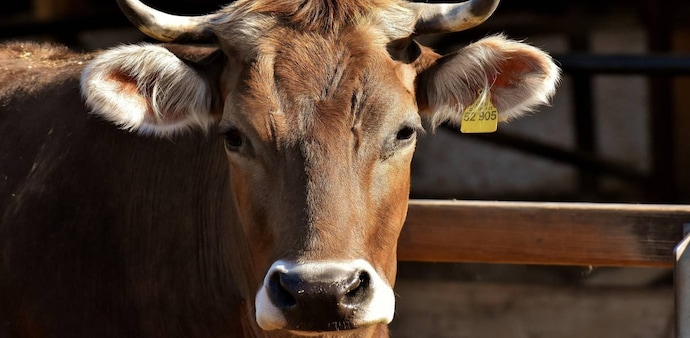
Shamonda virus is mainly found in cattle and is transmitted by biting midges. The World Organisation for Animal Health (WOAH) said the virus has also been detected in horses, alpacas, sheep and goats.
The European Centre for Disease Prevention and Control (ECDC) said it is monitoring the situation after French authorities reported the first known human infection.
ECDC said the patient died in early October and had been receiving treatment for a serious illness that made them more vulnerable to infection than the general population.
Investigations are still underway to determine whether the virus caused or contributed to the patient’s death and how the person became infected.
Don't Miss: Miso, vanilla or tabasco? How weight-loss drugs are changing fragrance preferences
No risk to general population reported
The leading hypothesis is that the patient was infected in eastern France, where the virus had circulated among animals during the spring and summer.
French authorities said that, based on the available information about the virus, no health risk to the general population had been identified so far.
ECDC said it is in contact with French authorities and European partners to assess the potential public health implications of the case.
Virus has spread among livestock in Europe
Shamonda virus was first identified in Nigeria in the mid-1960s. It was confirmed in Europe for the first time in late July after genomic tests detected the virus in sick cattle in southern Germany, Switzerland and eastern France.
France’s weekly animal health surveillance bulletin later reported detections in Austria, Belgium, Ireland, Italy, Liechtenstein, Luxembourg, the Netherlands, Portugal, Slovenia, Spain and Jersey.
There are currently no commercially available vaccines against Shamonda virus, according to WOAH.
Must Read: Cancer alert: 5 infections are linked to nearly 1 in 8 cases worldwide. What are they?
Impact on dairy farms
The virus has also affected milk production in infected cattle herds.
A study of nine French dairy farms found that milk output fell by as much as 75% in affected herds.
While the first known human case has prompted monitoring by European health authorities, officials have said there is currently no identified risk to the wider population.