
Former UAE envoy says 'one phone call' from PM Modi could help stop Iran-Israel conflict
Speaking to India Today TV, Mirza said India’s global standing and Modi’s relations with both countries could create an opportunity to reduce hostilities
- Mar 10, 2026,
- Updated Mar 10, 2026 8:07 AM IST
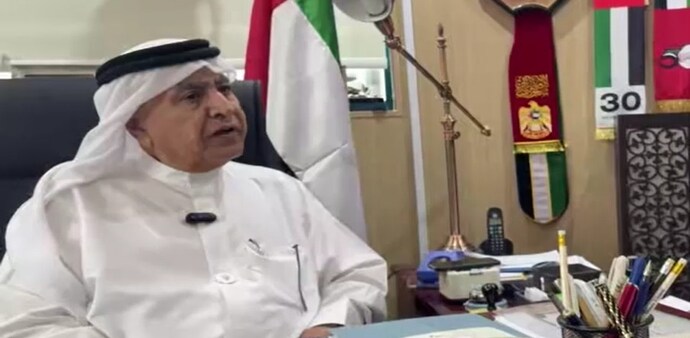
As the conflict involving Iran, Israel and the United States intensifies across West Asia, a former senior Emirati diplomat has suggested that India could play a decisive role in calming tensions. Hussain Hassan Mirza, the first UAE Ambassador to India, said Prime Minister Narendra Modi’s diplomatic ties with both Israel and Iran could position New Delhi as a potential mediator capable of helping halt the crisis.
Speaking to India Today TV, Mirza said India’s global standing and Modi’s relations with both countries could create an opportunity to reduce hostilities.
“India is a great country. The profile of India... the mere fact that one telephone call from Mr Modi to both Israel and Iran to stop, it will stop. One phone call,” Mirza said.
Modi’s ties with Israel and Iran highlighted
Mirza pointed to Prime Minister Modi’s engagement with Israel and Iran as a factor that could help bridge diplomatic divides.
“Mr Modi was in Israel 10 days ago. Mr Modi has a very, very good relationship with Iran. He’s the biggest buyer of Iran’s oil. Very simple... One phone call from Mr Modi will solve the problem,” he said.
The remarks come at a time when tensions in the region have sharply escalated following military strikes by the United States and Israel on Iranian targets and retaliatory attacks by Tehran.
Concerns over Indian community in the Gulf
Mirza also said India has a strong stake in regional stability because of the large Indian diaspora living in the Gulf.
“I rely too much on the Indian leadership and the government to intervene... to preserve and save their community in our country — the community that helped the infrastructure, helped the trade, helped the business... not from now, 70 or 80 years ago,” he said.
More than 3.5 million Indians live in the UAE, forming one of the largest expatriate communities in the country.
UAE stance on the conflict
During the interview, Mirza said the UAE had not allowed any actions against Iran from its territory.
“We did not allow any activities against Iran from our side. This is for sure,” he said.
He added that other Gulf states had also adopted a similar stance.
According to Mirza, countries such as Kuwait and Qatar have also not permitted attacks against Iran from their soil.
Regional conflict continues to escalate
The comments come as the confrontation between Iran, Israel and the United States continues to expand across the region. Iran has launched hundreds of missiles and drones targeting locations across Gulf countries in retaliation for the military operations carried out against Tehran.
The United Arab Emirates has also faced missile and drone attacks during the conflict, although most of them have been intercepted by air defence systems.
UAE authorities have repeatedly said their focus remains on protecting the country’s territory while working to prevent the conflict from spreading further across the Gulf.
As the conflict involving Iran, Israel and the United States intensifies across West Asia, a former senior Emirati diplomat has suggested that India could play a decisive role in calming tensions. Hussain Hassan Mirza, the first UAE Ambassador to India, said Prime Minister Narendra Modi’s diplomatic ties with both Israel and Iran could position New Delhi as a potential mediator capable of helping halt the crisis.
Speaking to India Today TV, Mirza said India’s global standing and Modi’s relations with both countries could create an opportunity to reduce hostilities.
“India is a great country. The profile of India... the mere fact that one telephone call from Mr Modi to both Israel and Iran to stop, it will stop. One phone call,” Mirza said.
Modi’s ties with Israel and Iran highlighted
Mirza pointed to Prime Minister Modi’s engagement with Israel and Iran as a factor that could help bridge diplomatic divides.
“Mr Modi was in Israel 10 days ago. Mr Modi has a very, very good relationship with Iran. He’s the biggest buyer of Iran’s oil. Very simple... One phone call from Mr Modi will solve the problem,” he said.
The remarks come at a time when tensions in the region have sharply escalated following military strikes by the United States and Israel on Iranian targets and retaliatory attacks by Tehran.
Concerns over Indian community in the Gulf
Mirza also said India has a strong stake in regional stability because of the large Indian diaspora living in the Gulf.
“I rely too much on the Indian leadership and the government to intervene... to preserve and save their community in our country — the community that helped the infrastructure, helped the trade, helped the business... not from now, 70 or 80 years ago,” he said.
More than 3.5 million Indians live in the UAE, forming one of the largest expatriate communities in the country.
UAE stance on the conflict
During the interview, Mirza said the UAE had not allowed any actions against Iran from its territory.
“We did not allow any activities against Iran from our side. This is for sure,” he said.
He added that other Gulf states had also adopted a similar stance.
According to Mirza, countries such as Kuwait and Qatar have also not permitted attacks against Iran from their soil.
Regional conflict continues to escalate
The comments come as the confrontation between Iran, Israel and the United States continues to expand across the region. Iran has launched hundreds of missiles and drones targeting locations across Gulf countries in retaliation for the military operations carried out against Tehran.
The United Arab Emirates has also faced missile and drone attacks during the conflict, although most of them have been intercepted by air defence systems.
UAE authorities have repeatedly said their focus remains on protecting the country’s territory while working to prevent the conflict from spreading further across the Gulf.