
'Guilty of crime against humanity': Bangladesh tribunal awards death sentence to Hasina
Hasina's aide and former home minister was also awarded death penalty, while former inspector general of police Chowdhury Abdullah Al-Mamun was sentenced to five years' imprisonment in the case
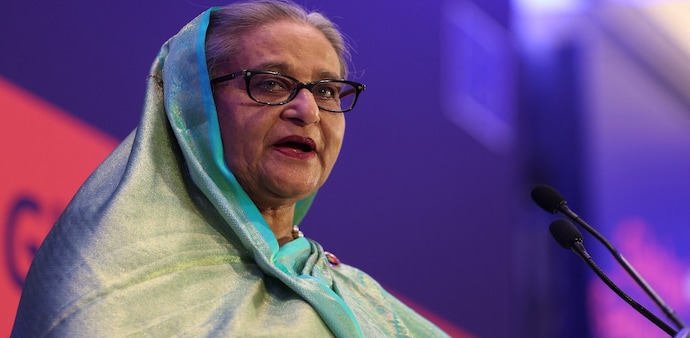
- Nov 17, 2025,
- Updated Nov 17, 2025 2:55 PM IST
Dhaka's International Crimes Tribunal on Monday held former Prime Minister Sheikh Hasina guilty of crimes against humanity, ruling that she had "ordered the use of helicopters and lethal weapons" to kill protesters during last year's anti-government uprising.
The tribunal found her guilty of three counts: incitement to violence, issuing orders to kill protesters, and failing to prevent atrocities during the student-led uprising. The tribunal awarded a death sentence to Hasina.
Former Home Minister Asaduzzaman Khan Kamal was also awarded a death penalty, while former inspector general of police Chowdhury Abdullah Al-Mamun, who became a state witness, was sentenced to five years' imprisonment.
Chief Judge Md Golam Mortuza Mozumder, who led the three-member bench, read excerpts from the 453-page judgment, stating that Hasina acted jointly with her former Home Minister and ex-police chief Chowdhury Abdullah Al-Mamun to suppress the demonstrations. The court described Hasina as the "mastermind of the killings" that left nearly 1,400 people dead between July and August 2024.
The tribunal spared Bangladesh Al-Mamun from the death penalty as he cooperated with the probe and made "full disclosures". Al-Mamun, after Hasina's ouster, became a state witness. His testimony, delivered under tight security, was a crucial pillar of the proceedings and the verdict.
Reading the verdict, the chief judge said that Hasina had superior control over the former Home Minister and police chief. But, he added, she didn't take any punitive action against perpetrators of violence against the protesters.
Hasina was further held responsible for killings, torture, disappearances, and arson carried out by state forces, and for failing to hold perpetrators within her administration accountable. The tribunal stressed that the attacks were "directed against the civilian population" and were "widespread and systematic," meeting the legal criteria for crimes against humanity.
The verdict can be appealed to the Supreme Court. There was cheering and clapping in the court after the death sentence was pronounced.
Al-Mamun has been sentenced to five years for crimes against humanity. During the proceedings, the tribunal observed that the atrocities committed by Al-Mamun were "punishable with capital sentence", adding, "we convict him and will award him with a lenient sentence."
'Hasina ordered killings using helicopters'
One of the judges said the tribunal had verified recordings in which Hasina allegedly instructed South Dhaka Municipal Corporation's mayor to use helicopters and lethal weapons against protesters. "The CD and conversation have been termed genuine by forensics," the bench noted.
Another judge said, "The Bangladesh Army shot at protesters in Dhaka on August 5. Helicopters were used to intimidate protesters. Medical aid and treatment were denied to injured protesters."
The tribunal also heard evidence that the Hasina government had threatened doctors to alter post-mortem findings in politically sensitive cases. A probe report cited by the court said, "The Sheikh Hasina government threatened a doctor and got the post-mortem report of student activist Abu Sayed changed four to five times."
The death of Abu Sayed, a student activist who was shot dead by police on July 16, 2024, was described as the "flashpoint" that ignited the nationwide movement demanding Hasina's resignation.
Widespread suppression and denial of rights
According to the judgment, police shot dead protesters at multiple sites, including six each in Ashulia and Chankharpul. The tribunal said the killings were "systematic," adding that bodies of victims were burned by police to destroy evidence.
"The accused used force to cling to power during the July-August 2024 protests," the chief judge said while reading the verdict. The court also noted that Hasina had defied its earlier order barring her from making hate speeches, adding that she had committed contempt by continuing to deliver them.
Prosecutors seek death penalty
Prosecutors had filed five counts of charges against Hasina and her co-accused, including failure to prevent murder, amounting to crimes against humanity under Bangladeshi law. They sought the death penalty for Hasina, Asaduzzaman Khan, and Abdullah Al-Mamun.
While Hasina and Asaduzzaman were tried in absentia, Mamun was present in court and became the first accused to plead guilty and turn state witness since the tribunal’s establishment in 2010.
The International Crimes Tribunal said the evidence against Hasina and her associates was so strong that "if they were tried in any other court in the world, they would be given the maximum punishment."
Dhaka's International Crimes Tribunal on Monday held former Prime Minister Sheikh Hasina guilty of crimes against humanity, ruling that she had "ordered the use of helicopters and lethal weapons" to kill protesters during last year's anti-government uprising.
The tribunal found her guilty of three counts: incitement to violence, issuing orders to kill protesters, and failing to prevent atrocities during the student-led uprising. The tribunal awarded a death sentence to Hasina.
Former Home Minister Asaduzzaman Khan Kamal was also awarded a death penalty, while former inspector general of police Chowdhury Abdullah Al-Mamun, who became a state witness, was sentenced to five years' imprisonment.
Chief Judge Md Golam Mortuza Mozumder, who led the three-member bench, read excerpts from the 453-page judgment, stating that Hasina acted jointly with her former Home Minister and ex-police chief Chowdhury Abdullah Al-Mamun to suppress the demonstrations. The court described Hasina as the "mastermind of the killings" that left nearly 1,400 people dead between July and August 2024.
The tribunal spared Bangladesh Al-Mamun from the death penalty as he cooperated with the probe and made "full disclosures". Al-Mamun, after Hasina's ouster, became a state witness. His testimony, delivered under tight security, was a crucial pillar of the proceedings and the verdict.
Reading the verdict, the chief judge said that Hasina had superior control over the former Home Minister and police chief. But, he added, she didn't take any punitive action against perpetrators of violence against the protesters.
Hasina was further held responsible for killings, torture, disappearances, and arson carried out by state forces, and for failing to hold perpetrators within her administration accountable. The tribunal stressed that the attacks were "directed against the civilian population" and were "widespread and systematic," meeting the legal criteria for crimes against humanity.
The verdict can be appealed to the Supreme Court. There was cheering and clapping in the court after the death sentence was pronounced.
Al-Mamun has been sentenced to five years for crimes against humanity. During the proceedings, the tribunal observed that the atrocities committed by Al-Mamun were "punishable with capital sentence", adding, "we convict him and will award him with a lenient sentence."
'Hasina ordered killings using helicopters'
One of the judges said the tribunal had verified recordings in which Hasina allegedly instructed South Dhaka Municipal Corporation's mayor to use helicopters and lethal weapons against protesters. "The CD and conversation have been termed genuine by forensics," the bench noted.
Another judge said, "The Bangladesh Army shot at protesters in Dhaka on August 5. Helicopters were used to intimidate protesters. Medical aid and treatment were denied to injured protesters."
The tribunal also heard evidence that the Hasina government had threatened doctors to alter post-mortem findings in politically sensitive cases. A probe report cited by the court said, "The Sheikh Hasina government threatened a doctor and got the post-mortem report of student activist Abu Sayed changed four to five times."
The death of Abu Sayed, a student activist who was shot dead by police on July 16, 2024, was described as the "flashpoint" that ignited the nationwide movement demanding Hasina's resignation.
Widespread suppression and denial of rights
According to the judgment, police shot dead protesters at multiple sites, including six each in Ashulia and Chankharpul. The tribunal said the killings were "systematic," adding that bodies of victims were burned by police to destroy evidence.
"The accused used force to cling to power during the July-August 2024 protests," the chief judge said while reading the verdict. The court also noted that Hasina had defied its earlier order barring her from making hate speeches, adding that she had committed contempt by continuing to deliver them.
Prosecutors seek death penalty
Prosecutors had filed five counts of charges against Hasina and her co-accused, including failure to prevent murder, amounting to crimes against humanity under Bangladeshi law. They sought the death penalty for Hasina, Asaduzzaman Khan, and Abdullah Al-Mamun.
While Hasina and Asaduzzaman were tried in absentia, Mamun was present in court and became the first accused to plead guilty and turn state witness since the tribunal’s establishment in 2010.
The International Crimes Tribunal said the evidence against Hasina and her associates was so strong that "if they were tried in any other court in the world, they would be given the maximum punishment."