
'Had a minor medical issue': Netanyahu undergoes prostate cancer treatment
The development comes as Netanyahu navigates a complex domestic and international landscape, with ongoing security concerns and political divisions at home.
- Apr 24, 2026,
- Updated Apr 24, 2026 7:22 PM IST
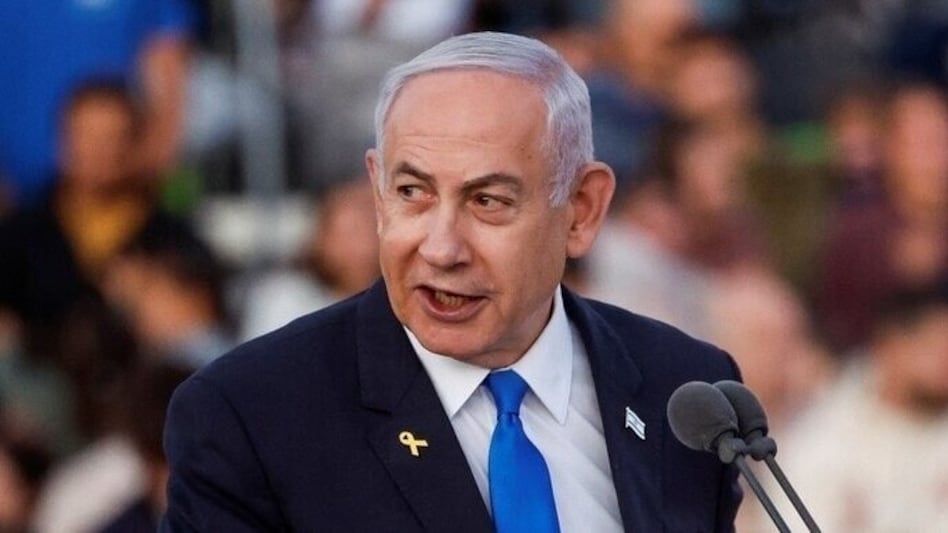
Benjamin Netanyahu has begun treatment for prostate cancer, his office confirmed, bringing fresh attention to the veteran leader’s health at a politically sensitive moment.
The diagnosis was made following routine medical checks, after which doctors recommended immediate treatment. Officials said the cancer was detected at an early stage, and Netanyahu is expected to undergo a structured course of therapy while continuing to manage his duties.
The development comes as Netanyahu navigates a complex domestic and international landscape, with ongoing security concerns and political divisions at home. Despite the diagnosis, his office indicated that there would be no significant disruption to governance, with the prime minister remaining actively involved in decision-making.
In a post on X (formally twitter), Benjamin Netanyahu said his annual medical report was delayed by two months to avoid release during the peak of the war, citing concerns of misuse by Iran. “Today, my annual medical report was published. I requested to delay its publication by two months so that it would not be released at the height of the war, in order not to allow the Iranian terror regime to spread even more false propaganda against Israel. I ask to share with you three things: 1 - Thank God, I am healthy. 2 - I am in excellent physical condition. 3 - I had a minor medical issue with my prostate that was completely treated. Thank God, it's behind me.”
He said routine monitoring detected a “tiny spot” that turned out to be an early-stage malignant tumor with no spread, and doctors offered monitoring or treatment.
Medical experts note that prostate cancer, when identified early, is often treatable with favorable outcomes. Netanyahu’s team has emphasized that his condition is being closely monitored and managed by specialists.
The announcement has prompted reactions across Israel’s political spectrum, with allies expressing support and opposition leaders wishing him a swift recovery, even as broader questions around leadership continuity and workload inevitably surface.
Netanyahu, one of Israel’s longest-serving leaders, has previously maintained a demanding schedule, and his ability to balance treatment with governance will be closely watched in the weeks ahead.
Meanwhile, Iran’s foreign minister Abbas Araghchi is set to arrive in Islamabad late Friday, as Pakistan steps up efforts to host a second round of talks between United States and Iran, according to regional media and officials in Islamabad.
Reports from Al Arabiya suggest Pakistan could announce the revival of negotiations between Tehran and Washington as early as Friday, with focus shifting to the weekend for the next phase of diplomacy.
However, Israel said it is prepared to restart military operations. At the same time, Donald Trump asserted that the blockade on Iran is “100% effective,” underscoring that both military and economic pressure remain in force even as diplomatic efforts continue.
Benjamin Netanyahu has begun treatment for prostate cancer, his office confirmed, bringing fresh attention to the veteran leader’s health at a politically sensitive moment.
The diagnosis was made following routine medical checks, after which doctors recommended immediate treatment. Officials said the cancer was detected at an early stage, and Netanyahu is expected to undergo a structured course of therapy while continuing to manage his duties.
The development comes as Netanyahu navigates a complex domestic and international landscape, with ongoing security concerns and political divisions at home. Despite the diagnosis, his office indicated that there would be no significant disruption to governance, with the prime minister remaining actively involved in decision-making.
In a post on X (formally twitter), Benjamin Netanyahu said his annual medical report was delayed by two months to avoid release during the peak of the war, citing concerns of misuse by Iran. “Today, my annual medical report was published. I requested to delay its publication by two months so that it would not be released at the height of the war, in order not to allow the Iranian terror regime to spread even more false propaganda against Israel. I ask to share with you three things: 1 - Thank God, I am healthy. 2 - I am in excellent physical condition. 3 - I had a minor medical issue with my prostate that was completely treated. Thank God, it's behind me.”
He said routine monitoring detected a “tiny spot” that turned out to be an early-stage malignant tumor with no spread, and doctors offered monitoring or treatment.
Medical experts note that prostate cancer, when identified early, is often treatable with favorable outcomes. Netanyahu’s team has emphasized that his condition is being closely monitored and managed by specialists.
The announcement has prompted reactions across Israel’s political spectrum, with allies expressing support and opposition leaders wishing him a swift recovery, even as broader questions around leadership continuity and workload inevitably surface.
Netanyahu, one of Israel’s longest-serving leaders, has previously maintained a demanding schedule, and his ability to balance treatment with governance will be closely watched in the weeks ahead.
Meanwhile, Iran’s foreign minister Abbas Araghchi is set to arrive in Islamabad late Friday, as Pakistan steps up efforts to host a second round of talks between United States and Iran, according to regional media and officials in Islamabad.
Reports from Al Arabiya suggest Pakistan could announce the revival of negotiations between Tehran and Washington as early as Friday, with focus shifting to the weekend for the next phase of diplomacy.
However, Israel said it is prepared to restart military operations. At the same time, Donald Trump asserted that the blockade on Iran is “100% effective,” underscoring that both military and economic pressure remain in force even as diplomatic efforts continue.