
How long can Iran hold the Hormuz leverage over the US?
US-Iran war: Efforts to disrupt shipping through Hormuz have not produced the global economic shock Tehran had hoped would force Washington to compromise.
- Sep 7, 2026,
- Updated Sep 7, 2026 12:49 PM IST
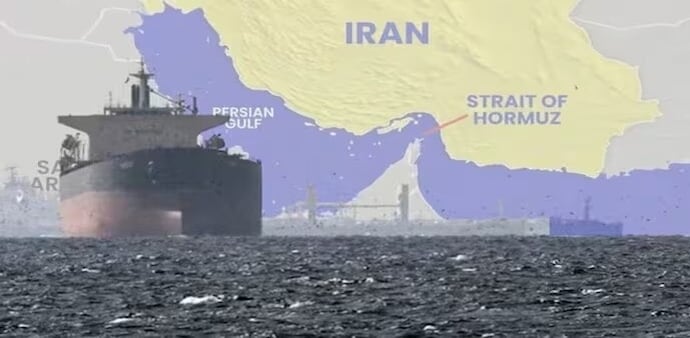
US-Iran war: Six months into a conflict that rattled markets and pushed the Gulf towards a wider war, Iran is facing a critical test: how long can Tehran withstand an unprecedented US economic squeeze while retaining the Strait of Hormuz as leverage?
A US naval blockade and tougher sanctions are curbing Iran’s oil exports, restricting access to foreign currency and putting growing pressure on an economy already strained by years of sanctions. Washington and regional officials are betting that the pressure could eventually force Tehran to allow free passage through the strait, which carries about a fifth of global oil and LNG supplies.
The calculation is that Iran is suffering more economic damage than it is inflicting.
Efforts to disrupt shipping through Hormuz have not produced the global economic shock Tehran had hoped would force Washington to compromise. Energy markets have adjusted and alternative supplies have continued to flow.
According to a report in Reuters, Iranian analyst Arash Azizi said the balance of power had tilted against Tehran because it had been unable to fully close Hormuz, while the US naval blockade was “really hitting Iran”. Tehran had expected disruption in the strait to trigger a major global economic shock and bring Washington back to negotiations, but other countries adapted, exposing limits to Iran’s ability to inflict economic pain.
Whether that pressure will force concessions remains unclear. Tehran has shown little sign of abandoning demands for sanctions relief, access to frozen assets and recognition of its security role in Hormuz. Mediators and Iran are nevertheless discussing a new formula to resolve the standoff, regional sources said.
Can Tehran withstand the pressure?
Three senior Iranian sources acknowledged that the US campaign is becoming increasingly difficult to withstand. The latest measures have sharply restricted access to foreign currency, imports and global financing networks.
Iranian leaders fear that surging prices, weaker trade and pressure on household incomes could reignite nationwide unrest. Officials also said shortages of key imports, including fuel and wheat, are becoming an increasing concern.
US Treasury Secretary Scott Bessent described the blockade and sanctions as a “one-two punch” and said the strategy would work in Iran.
Yet there is scepticism that economic and military coercion will produce a political rupture. Dennis Ross, a former US negotiator, said Iran’s Revolutionary Guards may believe Tehran can absorb the pain and outlast the pressure rather than compromise.
The key question, regional sources said, is whether Iran will hurt enough to compromise before the standoff leads to another confrontation. Ross suggested a deal could centre on shipping fees through Hormuz, allowing Iran to abandon a toll while retaining the right to charge for legitimate navigational, security or environmental services.
US-Iran war: Six months into a conflict that rattled markets and pushed the Gulf towards a wider war, Iran is facing a critical test: how long can Tehran withstand an unprecedented US economic squeeze while retaining the Strait of Hormuz as leverage?
A US naval blockade and tougher sanctions are curbing Iran’s oil exports, restricting access to foreign currency and putting growing pressure on an economy already strained by years of sanctions. Washington and regional officials are betting that the pressure could eventually force Tehran to allow free passage through the strait, which carries about a fifth of global oil and LNG supplies.
The calculation is that Iran is suffering more economic damage than it is inflicting.
Efforts to disrupt shipping through Hormuz have not produced the global economic shock Tehran had hoped would force Washington to compromise. Energy markets have adjusted and alternative supplies have continued to flow.
According to a report in Reuters, Iranian analyst Arash Azizi said the balance of power had tilted against Tehran because it had been unable to fully close Hormuz, while the US naval blockade was “really hitting Iran”. Tehran had expected disruption in the strait to trigger a major global economic shock and bring Washington back to negotiations, but other countries adapted, exposing limits to Iran’s ability to inflict economic pain.
Whether that pressure will force concessions remains unclear. Tehran has shown little sign of abandoning demands for sanctions relief, access to frozen assets and recognition of its security role in Hormuz. Mediators and Iran are nevertheless discussing a new formula to resolve the standoff, regional sources said.
Can Tehran withstand the pressure?
Three senior Iranian sources acknowledged that the US campaign is becoming increasingly difficult to withstand. The latest measures have sharply restricted access to foreign currency, imports and global financing networks.
Iranian leaders fear that surging prices, weaker trade and pressure on household incomes could reignite nationwide unrest. Officials also said shortages of key imports, including fuel and wheat, are becoming an increasing concern.
US Treasury Secretary Scott Bessent described the blockade and sanctions as a “one-two punch” and said the strategy would work in Iran.
Yet there is scepticism that economic and military coercion will produce a political rupture. Dennis Ross, a former US negotiator, said Iran’s Revolutionary Guards may believe Tehran can absorb the pain and outlast the pressure rather than compromise.
The key question, regional sources said, is whether Iran will hurt enough to compromise before the standoff leads to another confrontation. Ross suggested a deal could centre on shipping fees through Hormuz, allowing Iran to abandon a toll while retaining the right to charge for legitimate navigational, security or environmental services.