
'In next 24 hours...': Pak PM Shehbaz Sharif announces imminent US-Iran peace deal
The core of the initial agreement establishes a 60-day stabilisation window, extending a fragile April ceasefire to allow both sides to transition from active hostility to structured diplomacy.
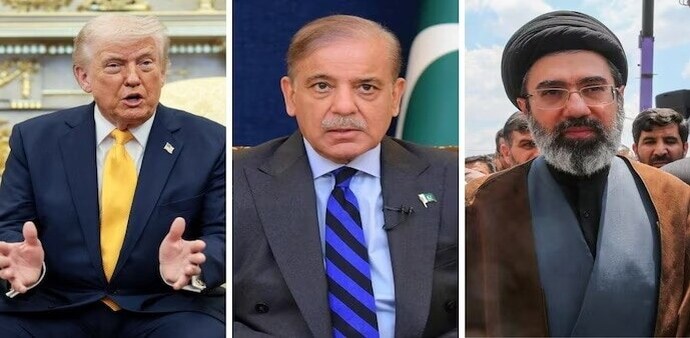
- Jun 13, 2026,
- Updated Jun 13, 2026 6:53 PM IST
Pakistan is preparing for the electronic signing of a historic peace framework between the United States and Iran, a major diplomatic breakthrough expected to be finalized within the next 24 hours. The deal aims to halt a devastating three-and-a-half-month war in the Middle East and avert an escalating global economic crisis.
Announcing the milestone, Pakistani Prime Minister Shehbaz Sharif confirmed that intense mediation efforts have yielded a finalised text, stating that the regional rivals are now "closer to a peace deal than ever before."
In an official statement, Sharif expressed gratitude to both Washington and Tehran for their persistence throughout the high-stakes negotiation process, while also acknowledging regional partners, including Qatar, who supported the diplomatic effort. .
"We are closer to a peace deal than ever before. With finalisation likely expected in the next 24 hours, Pakistan is preparing for the electronic signing of the peace deal immediately after, followed by technical level talks next week. We would like to thank United States of America and Islamic Republic of Iran for their ongoing commitment during the negotiations, and we extend our sincere appreciation to our brothers in the region for their support. We are confident that this historic peace deal will form a strong foundation for lasting peace," Shehbaz Sharif, Pakistan PM wrote in a post on X (formally twitter).
The emerging accord, being referred to as the Islamabad Agreement, is structured as a 60-day Memorandum of Understanding (MOU). It is designed to dismantle a dangerous military and economic deadlock that followed joint US-Israeli strikes earlier this year and Iran’s subsequent shutdown of critical shipping lanes.
Stabilisation Framework
The core of the initial agreement establishes a 60-day stabilisation window, extending a fragile April ceasefire to allow both sides to transition from active hostility to structured diplomacy. This period will encompass several immediate mandates:
- Reopening the Strait of Hormuz: The agreement requires the immediate demining and reopening of the Strait of Hormuz. Shipping volumes are projected to return to pre-war levels within 30 days. While the US will lift its naval blockade of Iranian ports, Tehran will commit to keeping the waterway open without imposing tolls.
- Nuclear Commitments: Iran will make a binding commitment never to acquire a nuclear weapon. The framework outlines plans to address Iran's stockpile of highly enriched uranium, with a preliminary option allowing Tehran to down-blend the material inside the country under United Nations supervision.
- Sanctions Relief and Frozen Assets: While Iranian state media indicates Tehran is seeking the release of up to $24 billion in frozen overseas assets — demanding half upfront upon signing — the Trump administration has maintained that actual sanctions relief will remain strictly contingent on Iran hitting verifiable operational benchmarks.
- Regional De-escalation: A senior US administration official confirmed the framework features a broad regional cessation of hostilities that encompasses theater operations in Lebanon.
Remaining vulnerabilities
Despite the optimism out of Islamabad and Washington, diplomats close to the talks warn that implementation risks remain high. The White House has signaled a strong consensus across Iran’s civilian and military leadership regarding the acceptability of the terms.
However, the agreement still requires the definitive approval of Iran's Supreme Leader Mojtaba Khamenei, and domestic political friction persists from hardliners on both sides who oppose the compromise.
The upcoming technical negotiations in Pakistan will serve as the first major test of whether this temporary truce can be converted into a permanent, comprehensive treaty.
Pakistan is preparing for the electronic signing of a historic peace framework between the United States and Iran, a major diplomatic breakthrough expected to be finalized within the next 24 hours. The deal aims to halt a devastating three-and-a-half-month war in the Middle East and avert an escalating global economic crisis.
Announcing the milestone, Pakistani Prime Minister Shehbaz Sharif confirmed that intense mediation efforts have yielded a finalised text, stating that the regional rivals are now "closer to a peace deal than ever before."
In an official statement, Sharif expressed gratitude to both Washington and Tehran for their persistence throughout the high-stakes negotiation process, while also acknowledging regional partners, including Qatar, who supported the diplomatic effort. .
"We are closer to a peace deal than ever before. With finalisation likely expected in the next 24 hours, Pakistan is preparing for the electronic signing of the peace deal immediately after, followed by technical level talks next week. We would like to thank United States of America and Islamic Republic of Iran for their ongoing commitment during the negotiations, and we extend our sincere appreciation to our brothers in the region for their support. We are confident that this historic peace deal will form a strong foundation for lasting peace," Shehbaz Sharif, Pakistan PM wrote in a post on X (formally twitter).
The emerging accord, being referred to as the Islamabad Agreement, is structured as a 60-day Memorandum of Understanding (MOU). It is designed to dismantle a dangerous military and economic deadlock that followed joint US-Israeli strikes earlier this year and Iran’s subsequent shutdown of critical shipping lanes.
Stabilisation Framework
The core of the initial agreement establishes a 60-day stabilisation window, extending a fragile April ceasefire to allow both sides to transition from active hostility to structured diplomacy. This period will encompass several immediate mandates:
- Reopening the Strait of Hormuz: The agreement requires the immediate demining and reopening of the Strait of Hormuz. Shipping volumes are projected to return to pre-war levels within 30 days. While the US will lift its naval blockade of Iranian ports, Tehran will commit to keeping the waterway open without imposing tolls.
- Nuclear Commitments: Iran will make a binding commitment never to acquire a nuclear weapon. The framework outlines plans to address Iran's stockpile of highly enriched uranium, with a preliminary option allowing Tehran to down-blend the material inside the country under United Nations supervision.
- Sanctions Relief and Frozen Assets: While Iranian state media indicates Tehran is seeking the release of up to $24 billion in frozen overseas assets — demanding half upfront upon signing — the Trump administration has maintained that actual sanctions relief will remain strictly contingent on Iran hitting verifiable operational benchmarks.
- Regional De-escalation: A senior US administration official confirmed the framework features a broad regional cessation of hostilities that encompasses theater operations in Lebanon.
Remaining vulnerabilities
Despite the optimism out of Islamabad and Washington, diplomats close to the talks warn that implementation risks remain high. The White House has signaled a strong consensus across Iran’s civilian and military leadership regarding the acceptability of the terms.
However, the agreement still requires the definitive approval of Iran's Supreme Leader Mojtaba Khamenei, and domestic political friction persists from hardliners on both sides who oppose the compromise.
The upcoming technical negotiations in Pakistan will serve as the first major test of whether this temporary truce can be converted into a permanent, comprehensive treaty.