
Iran-US peace: Iran refuses direct talks with US. Trump cancels envoys’ Pakistan trip. What now?
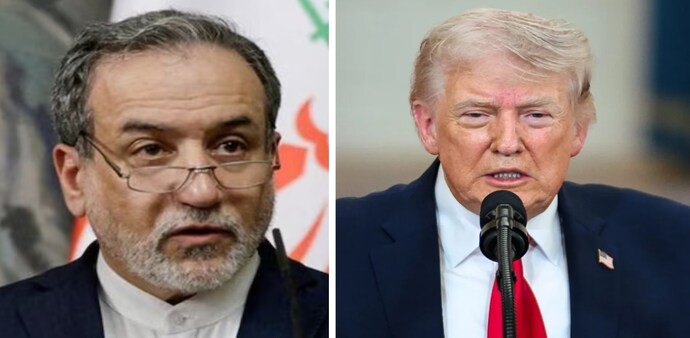
US President Donald Trump canceled a planned trip by senior envoys Jared Kushner and Steve Witkoff to Pakistan for negotiations with Iran. The decision followed conflicting signals over whether Iranian officials would participate.
- Apr 25, 2026,
- Updated Apr 25, 2026 11:00 PM IST
Efforts to revive fragile diplomacy between Iran and the United States have hit a fresh roadblock after Tehran refused to engage in direct talks during a high-stakes diplomatic window in Pakistan, raising uncertainty over the future of negotiations already strained by mistrust and military tensions.
Iran’s Foreign Minister Abbas Araghchi declined to meet US negotiators during his Saturday visit to Islamabad, reiterating Tehran’s position that any engagement would remain indirect. The decision came even as Washington signaled readiness for face-to-face dialogue, exposing a widening gap in expectations between the two sides.
Pakistan mediation falls short
Araghchi held talks with Pakistan’s top leadership, including Army Chief Asim Munir and Prime Minister Shehbaz Sharif, focusing on Iran’s “red lines” and the scope for mediated negotiations. Tehran maintained that it would continue to work through Islamabad’s backchannel diplomacy “until a result is achieved,” but stopped short of agreeing to direct engagement with US officials.
Must read | Iran war a 'gift to the world': Pete Hegseth says Strait of Hormuz blockade to continue
Pakistan had emerged as a key intermediary amid escalating tensions, but the absence of direct talks during Araghchi’s visit has cast doubt on its ability to bridge the divide.
Trump pulls plug on envoys’ visit
In a parallel development, US President Donald Trump canceled a planned trip by senior envoys Jared Kushner and Steve Witkoff to Pakistan for negotiations with Iran.
The decision followed conflicting signals over whether Iranian officials would participate. Trump struck a hardline tone, suggesting Washington held the upper hand and dismissing the need for prolonged diplomatic engagement.
At the core of the impasse lies a profound trust deficit. Iranian officials have repeatedly questioned US intentions, citing the collapse of earlier negotiations over Tehran’s nuclear program and subsequent military actions involving the US and Israel.
Don't miss | Iran war has drained US military’s supply of critical, costly weapons significantly: Report
This skepticism has hardened Tehran’s insistence on indirect talks, even as Washington pushes for direct dialogue to accelerate a potential deal.
Strait of Hormuz tensions escalate stakes
The diplomatic standoff is unfolding against the backdrop of rising economic and strategic pressure tied to the Strait of Hormuz — a critical artery for global energy supplies.
Shipping through the strait has slowed dramatically amid Iranian threats and a retaliatory U.S. naval blockade. The disruption has begun to ripple through global markets, affecting oil, liquefied natural gas, and fertilizer shipments, with broader implications for energy prices and supply chains worldwide.
Trump has made clear that the blockade of Iranian ports will remain in place until a deal is reached, further raising the stakes for both sides.
Must read | Internet the next collateral? Iranian media flags new risk at Hormuz
While an open-ended ceasefire has largely paused direct hostilities, the lack of diplomatic progress risks prolonging economic disruptions and increasing the potential for renewed conflict.
A planned US delegation visit earlier in the week was also delayed after reports that Iranian officials would not attend, underscoring the fragility of the process.
Efforts to revive fragile diplomacy between Iran and the United States have hit a fresh roadblock after Tehran refused to engage in direct talks during a high-stakes diplomatic window in Pakistan, raising uncertainty over the future of negotiations already strained by mistrust and military tensions.
Iran’s Foreign Minister Abbas Araghchi declined to meet US negotiators during his Saturday visit to Islamabad, reiterating Tehran’s position that any engagement would remain indirect. The decision came even as Washington signaled readiness for face-to-face dialogue, exposing a widening gap in expectations between the two sides.
Pakistan mediation falls short
Araghchi held talks with Pakistan’s top leadership, including Army Chief Asim Munir and Prime Minister Shehbaz Sharif, focusing on Iran’s “red lines” and the scope for mediated negotiations. Tehran maintained that it would continue to work through Islamabad’s backchannel diplomacy “until a result is achieved,” but stopped short of agreeing to direct engagement with US officials.
Must read | Iran war a 'gift to the world': Pete Hegseth says Strait of Hormuz blockade to continue
Pakistan had emerged as a key intermediary amid escalating tensions, but the absence of direct talks during Araghchi’s visit has cast doubt on its ability to bridge the divide.
Trump pulls plug on envoys’ visit
In a parallel development, US President Donald Trump canceled a planned trip by senior envoys Jared Kushner and Steve Witkoff to Pakistan for negotiations with Iran.
The decision followed conflicting signals over whether Iranian officials would participate. Trump struck a hardline tone, suggesting Washington held the upper hand and dismissing the need for prolonged diplomatic engagement.
At the core of the impasse lies a profound trust deficit. Iranian officials have repeatedly questioned US intentions, citing the collapse of earlier negotiations over Tehran’s nuclear program and subsequent military actions involving the US and Israel.
Don't miss | Iran war has drained US military’s supply of critical, costly weapons significantly: Report
This skepticism has hardened Tehran’s insistence on indirect talks, even as Washington pushes for direct dialogue to accelerate a potential deal.
Strait of Hormuz tensions escalate stakes
The diplomatic standoff is unfolding against the backdrop of rising economic and strategic pressure tied to the Strait of Hormuz — a critical artery for global energy supplies.
Shipping through the strait has slowed dramatically amid Iranian threats and a retaliatory U.S. naval blockade. The disruption has begun to ripple through global markets, affecting oil, liquefied natural gas, and fertilizer shipments, with broader implications for energy prices and supply chains worldwide.
Trump has made clear that the blockade of Iranian ports will remain in place until a deal is reached, further raising the stakes for both sides.
Must read | Internet the next collateral? Iranian media flags new risk at Hormuz
While an open-ended ceasefire has largely paused direct hostilities, the lack of diplomatic progress risks prolonging economic disruptions and increasing the potential for renewed conflict.
A planned US delegation visit earlier in the week was also delayed after reports that Iranian officials would not attend, underscoring the fragility of the process.