
Iran waives Strait of Hormuz fees during 60-day negotiation period with US
Iran has waived planned transit fees for ships passing through the Strait of Hormuz during a 60-day negotiation period under a new agreement with the United States. The move is aimed at ensuring uninterrupted maritime traffic through one of the world's most critical oil shipping routes.
- Jun 19, 2026,
- Updated Jun 19, 2026 5:18 PM IST
Iran has temporarily waived planned transit fees for ships passing through the Strait of Hormuz as part of a 60-day negotiation framework agreed with the United States, according to a notice issued by the country's maritime authority.
The Iranian Persian Gulf Strait Authority (PGSA) said vessels using the strategic waterway during the interim period will not be charged fees related to security, safety, environmental services and associated insurance requirements.
The move follows a memorandum of understanding signed between Iran and the United States earlier this week aimed at facilitating negotiations and reducing tensions in the region.
Under the temporary arrangement, ships seeking to pass through the Strait of Hormuz must submit transit requests at least 48 hours before arrival. Authorities said advance coordination of routes and transit schedules would remain mandatory because some areas continue to be affected by mines and other navigation hazards.
MUST READ: 18,000 Indian seafarers may leave Hormuz, but the ordeal isn’t over
The waiver will remain in place throughout the 60-day negotiation period covered by the agreement.
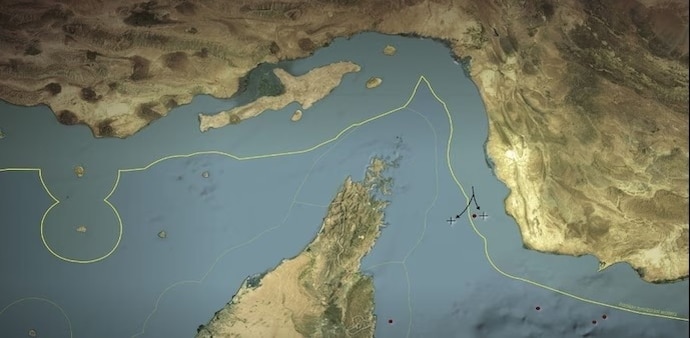
The Strait of Hormuz is one of the world's most important energy chokepoints, with roughly a fifth of global oil shipments passing through the narrow waterway connecting the Persian Gulf to the Gulf of Oman and the Arabian Sea. Any disruption in the region can have significant implications for global oil prices and energy markets.
By removing the planned fees, Iran appears to be seeking to ensure uninterrupted shipping traffic and support the ongoing diplomatic process with Washington.
The PGSA emphasized that safety measures would continue to be enforced despite the fee waiver. Vessel operators have been asked to coordinate closely with authorities to ensure secure passage and avoid areas impacted by previous hostilities.
MUST READ: Pentagon says it need $80 billion to foot Iran war, other defence bills
The development comes amid broader efforts by the two countries to stabilize the situation in the Middle East after months of heightened tensions. Market participants are closely monitoring the negotiations, as progress could help ease concerns over crude oil supplies and shipping risks.
Brent crude prices have already retreated from recent highs on expectations that the ceasefire framework and renewed diplomatic engagement could reduce the risk of disruptions to energy flows through the Strait of Hormuz.
With Reuters inputs
Iran has temporarily waived planned transit fees for ships passing through the Strait of Hormuz as part of a 60-day negotiation framework agreed with the United States, according to a notice issued by the country's maritime authority.
The Iranian Persian Gulf Strait Authority (PGSA) said vessels using the strategic waterway during the interim period will not be charged fees related to security, safety, environmental services and associated insurance requirements.
The move follows a memorandum of understanding signed between Iran and the United States earlier this week aimed at facilitating negotiations and reducing tensions in the region.
Under the temporary arrangement, ships seeking to pass through the Strait of Hormuz must submit transit requests at least 48 hours before arrival. Authorities said advance coordination of routes and transit schedules would remain mandatory because some areas continue to be affected by mines and other navigation hazards.
MUST READ: 18,000 Indian seafarers may leave Hormuz, but the ordeal isn’t over
The waiver will remain in place throughout the 60-day negotiation period covered by the agreement.
The Strait of Hormuz is one of the world's most important energy chokepoints, with roughly a fifth of global oil shipments passing through the narrow waterway connecting the Persian Gulf to the Gulf of Oman and the Arabian Sea. Any disruption in the region can have significant implications for global oil prices and energy markets.
By removing the planned fees, Iran appears to be seeking to ensure uninterrupted shipping traffic and support the ongoing diplomatic process with Washington.
The PGSA emphasized that safety measures would continue to be enforced despite the fee waiver. Vessel operators have been asked to coordinate closely with authorities to ensure secure passage and avoid areas impacted by previous hostilities.
MUST READ: Pentagon says it need $80 billion to foot Iran war, other defence bills
The development comes amid broader efforts by the two countries to stabilize the situation in the Middle East after months of heightened tensions. Market participants are closely monitoring the negotiations, as progress could help ease concerns over crude oil supplies and shipping risks.
Brent crude prices have already retreated from recent highs on expectations that the ceasefire framework and renewed diplomatic engagement could reduce the risk of disruptions to energy flows through the Strait of Hormuz.
With Reuters inputs