
Iran war: Helium prices rise sharply due to disruptions from Qatar; why it matters to India
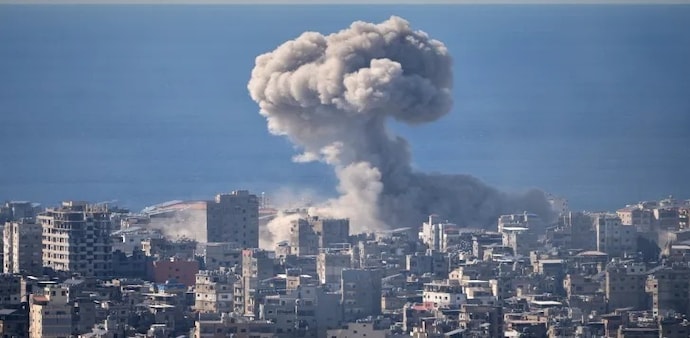
Iran war: Qatar produced approximately 63 million cubic metres of helium in 2025, accounting for about one-third of global output, according to the US Geological Survey.
- Mar 13, 2026,
- Updated Mar 13, 2026 8:39 AM IST
Helium prices have risen sharply due to supply disruptions from Qatar, one of the largest helium producers globally. Spot prices have doubled since the Middle East crisis began, affecting industries such as semiconductors and medical imaging that rely on a steady helium supply. Buyers are looking for alternatives, but limited global production and storage capacity offer few immediate solutions.
The disruption stems from halted operations at QatarEnergy's 77 million tonnes per annum natural gas processing facility, caused by the Iran conflict. Along with a force majeure declaration on LNG shipments, this has created a significant shortfall in the global helium market. Aleksandr Romanenko, CEO of IndexBox, said the market is missing about 5.2 million cubic metres of helium per month if the disruption continues.
Qatar produced approximately 63 million cubic metres of helium in 2025, accounting for about one-third of global output, according to the US Geological Survey.
Most helium sales occur through long-term contracts rather than a transparent spot market, so price changes usually lag behind supply disruptions. Anish Kapadia, CEO of AKAP Energy, noted a 50 per cent increase in spot prices so far. He warned that if the disruption continues, prices could rise sharply and possibly reach previous shortage peaks above $2,000 per thousand cubic feet.
Romanenko added that a 30-day disruption could increase delivered helium prices by 10 per cent to 20 per cent, while a 60 to 90-day outage might push prices up by 25-50 per cent, especially for buyers without long-term contracts.
Physical factors also complicate helium delivery. Helium is shipped in liquid form and evaporates gradually during transport, limiting delivery time. Chris Bakker, CEO of helium developer Avanti, said helium has a shelf life and typically must reach end-users within 45 days after liquefaction.
WHY DOES IT MATTER TO INDIA?
To begin with India imports Rs 55,000 crore of helium every year from the US. A crisis on that front is not good news for India that aspires to become a semiconductor hub. Helium is used by semiconductor manufacturers as a cooling agent and to create microstructures on semiconductor wafers, apart from industries such as MRI systems, NMR systems, and rocket ships and space exploration.
It is also combined with oxygen to create a breathing gas known as heliox used in critical as well as respiratory care of patients. Helium is used in leak-detecting systems too. There are low-priority industries too that use helium including diving equipment and party balloons.
Helium has a key role in technologies with limited substitutes.
Only last week, South Korea said that the US-Israel war on Iran could disrupt supplies of key semiconductor manufacturing materials, including helium. Korea relied on Qatar for 64.7 per cent of its helium imports last year, as per their media.
Helium prices have risen sharply due to supply disruptions from Qatar, one of the largest helium producers globally. Spot prices have doubled since the Middle East crisis began, affecting industries such as semiconductors and medical imaging that rely on a steady helium supply. Buyers are looking for alternatives, but limited global production and storage capacity offer few immediate solutions.
The disruption stems from halted operations at QatarEnergy's 77 million tonnes per annum natural gas processing facility, caused by the Iran conflict. Along with a force majeure declaration on LNG shipments, this has created a significant shortfall in the global helium market. Aleksandr Romanenko, CEO of IndexBox, said the market is missing about 5.2 million cubic metres of helium per month if the disruption continues.
Qatar produced approximately 63 million cubic metres of helium in 2025, accounting for about one-third of global output, according to the US Geological Survey.
Most helium sales occur through long-term contracts rather than a transparent spot market, so price changes usually lag behind supply disruptions. Anish Kapadia, CEO of AKAP Energy, noted a 50 per cent increase in spot prices so far. He warned that if the disruption continues, prices could rise sharply and possibly reach previous shortage peaks above $2,000 per thousand cubic feet.
Romanenko added that a 30-day disruption could increase delivered helium prices by 10 per cent to 20 per cent, while a 60 to 90-day outage might push prices up by 25-50 per cent, especially for buyers without long-term contracts.
Physical factors also complicate helium delivery. Helium is shipped in liquid form and evaporates gradually during transport, limiting delivery time. Chris Bakker, CEO of helium developer Avanti, said helium has a shelf life and typically must reach end-users within 45 days after liquefaction.
WHY DOES IT MATTER TO INDIA?
To begin with India imports Rs 55,000 crore of helium every year from the US. A crisis on that front is not good news for India that aspires to become a semiconductor hub. Helium is used by semiconductor manufacturers as a cooling agent and to create microstructures on semiconductor wafers, apart from industries such as MRI systems, NMR systems, and rocket ships and space exploration.
It is also combined with oxygen to create a breathing gas known as heliox used in critical as well as respiratory care of patients. Helium is used in leak-detecting systems too. There are low-priority industries too that use helium including diving equipment and party balloons.
Helium has a key role in technologies with limited substitutes.
Only last week, South Korea said that the US-Israel war on Iran could disrupt supplies of key semiconductor manufacturing materials, including helium. Korea relied on Qatar for 64.7 per cent of its helium imports last year, as per their media.