
Iran war: Oil prices rise 20%, the highest levels since July 2022, amid supply cuts from West Asia
Iran war: Iraq and Kuwait have started reducing oil production, adding to earlier liquefied natural gas reductions from Qatar.
- Mar 9, 2026,
- Updated Mar 9, 2026 8:02 AM IST
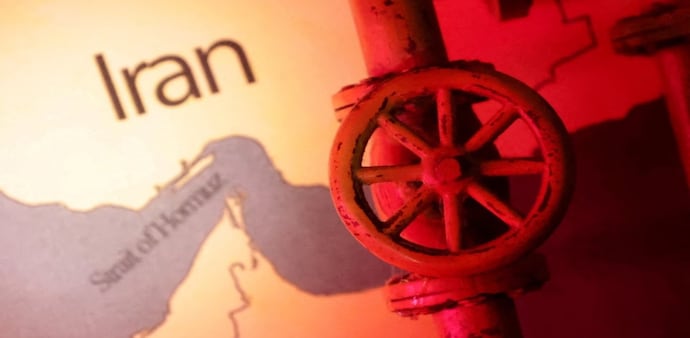
Oil prices rose sharply by nearly 20 per cent on Monday, reaching their highest levels since July 2022 as the conflict in West Asia, causing supply disruptions. The Iran war, involving the United States, Israel, and Iran, led major producers including Iraq and Kuwait to cut output. Concerns over the security of the Strait of Hormuz added to price volatility. These events have raised fears of prolonged disruptions to global energy supplies, affecting consumers and businesses worldwide.
Brent crude futures climbed as much as $18.35, or 19.8 per cent, to $111.04 per barrel, and were last up $15.24, or 16.4 per cent, at $107.93 by early Monday. US West Texas Intermediate (WTI) crude futures rose $16.50, or 18.2 per cent, to $107.40 a barrel after earlier increasing by $20.34, or 22.4 per cent, to $111.24. Both Brent and WTI saw significant gains last week.
West Asian output decreased following the conflict. According to Reuters, Iraq and Kuwait have started reducing oil production, adding to earlier liquefied natural gas reductions from Qatar. Blocked shipments through key routes have hampered exports. Analysts expect further reductions from the UAE and Saudi Arabia as storage capacity fills up, which may tighten the market further.
Iraqi oil production from its main southern oilfields has fallen by 70 per cent to 1.3 million barrels per day due to the inability to export oil via the Strait of Hormuz, according to three industry sources who told the news agency. Crude storage has reached maximum capacity, said an official from the state-run Basra Oil Company. Kuwait Petroleum Corporation began cutting oil output and declared force majeure on shipments, though it did not specify the amount of production cut.
The Fujairah Media Office reported a fire in the UAE's Fujairah oil industry zone caused by falling debris, with no injuries. Saudi Arabia's Defence Ministry said it intercepted a drone heading to the Shaybah oilfield. These incidents have increased the risk premium in the global oil market as facilities and logistics networks face ongoing threats.
With the appointment of the late leader's son as Iran's new leader, US efforts for regime change have become more difficult, said Satoru Yoshida, commodity analyst at Rakuten Securities. This view accelerated buying as Iran is expected to continue closing the Strait of Hormuz and attacking other oil-producing facilities. Yoshida predicted WTI could rise to $120 and then $130 a barrel in a short time.
(With Reuters inputs)
Oil prices rose sharply by nearly 20 per cent on Monday, reaching their highest levels since July 2022 as the conflict in West Asia, causing supply disruptions. The Iran war, involving the United States, Israel, and Iran, led major producers including Iraq and Kuwait to cut output. Concerns over the security of the Strait of Hormuz added to price volatility. These events have raised fears of prolonged disruptions to global energy supplies, affecting consumers and businesses worldwide.
Brent crude futures climbed as much as $18.35, or 19.8 per cent, to $111.04 per barrel, and were last up $15.24, or 16.4 per cent, at $107.93 by early Monday. US West Texas Intermediate (WTI) crude futures rose $16.50, or 18.2 per cent, to $107.40 a barrel after earlier increasing by $20.34, or 22.4 per cent, to $111.24. Both Brent and WTI saw significant gains last week.
West Asian output decreased following the conflict. According to Reuters, Iraq and Kuwait have started reducing oil production, adding to earlier liquefied natural gas reductions from Qatar. Blocked shipments through key routes have hampered exports. Analysts expect further reductions from the UAE and Saudi Arabia as storage capacity fills up, which may tighten the market further.
Iraqi oil production from its main southern oilfields has fallen by 70 per cent to 1.3 million barrels per day due to the inability to export oil via the Strait of Hormuz, according to three industry sources who told the news agency. Crude storage has reached maximum capacity, said an official from the state-run Basra Oil Company. Kuwait Petroleum Corporation began cutting oil output and declared force majeure on shipments, though it did not specify the amount of production cut.
The Fujairah Media Office reported a fire in the UAE's Fujairah oil industry zone caused by falling debris, with no injuries. Saudi Arabia's Defence Ministry said it intercepted a drone heading to the Shaybah oilfield. These incidents have increased the risk premium in the global oil market as facilities and logistics networks face ongoing threats.
With the appointment of the late leader's son as Iran's new leader, US efforts for regime change have become more difficult, said Satoru Yoshida, commodity analyst at Rakuten Securities. This view accelerated buying as Iran is expected to continue closing the Strait of Hormuz and attacking other oil-producing facilities. Yoshida predicted WTI could rise to $120 and then $130 a barrel in a short time.
(With Reuters inputs)