
Iranian crude re-enters global markets as US grants 60-day waiver; WTI slips below $74
The licence authorises activities connected to the extraction, production, delivery, transportation, and sale of Iranian-origin petroleum, petroleum products, and petrochemicals. The 60-day waiver remains in effect until August 21, 2026.
- Jun 22, 2026,
- Updated Jun 22, 2026 9:34 PM IST
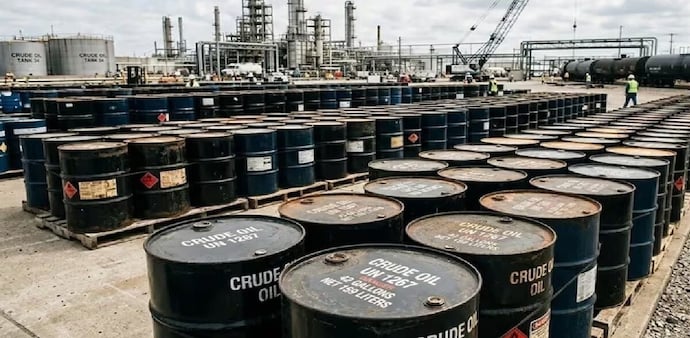
The United States has taken a significant step toward easing tensions with Iran, issuing a temporary 60-day general licence that authorises transactions related to the production, transportation, and sale of Iranian crude oil, petroleum products, and petrochemicals.
The move, announced by the US Department of the Treasury on Ju
ne 22, comes after what officials described as productive diplomatic talks between Washington and Tehran in Switzerland. The decision effectively paves the way for Iranian oil to re-enter global markets for the first time since the reimposition of US sanctions in 2018.
US Treasury Secretary Scott Bessent said the licence is part of a broader framework linked to ongoing negotiations aimed at improving regional stability and ensuring freedom of navigation through the Strait of Hormuz, one of the world's most critical energy chokepoints.
According to Bessent, Iran has committed to maintaining free and open transit through the Strait of Hormuz and allowing inspectors from the International Atomic Energy Agency (IAEA) access to the country as part of the ongoing diplomatic process.
Temporary relief for Iran's energy sector
The licence authorises activities connected to the extraction, production, delivery, transportation, and sale of Iranian-origin petroleum, petroleum products, and petrochemicals. The waiver remains in effect until August 21, 2026.
The authorisation also covers a range of supporting services necessary for energy trade, including maritime transportation, insurance, financing, and other related commercial activities.
In a notable provision, the waiver permits the import of Iranian-origin crude oil and petroleum products into the United States when required to complete transactions covered under the new framework.
However, the Treasury Department clarified that the exemptions do not apply to dealings involving North Korea or Cuba, both of which remain subject to separate US sanctions regimes.
Diplomatic breakthrough in Switzerland
The licence follows extensive talks held at the Swiss resort of Burgenstock, where US and Iranian officials met under the mediation of Qatar and Pakistan.
The mediators described the discussions as constructive and announced that both sides had agreed on a roadmap aimed at reaching a comprehensive agreement within 60 days.
A joint statement issued after the talks said that encouraging progress had been achieved, including the establishment of a mechanism for future technical discussions.
The negotiations mark one of the most significant diplomatic engagements between Washington and Tehran in years and could signal a broader effort to stabilise relations after a prolonged period of confrontation.
Oil markets react swiftly
Energy markets responded immediately to the prospect of additional Iranian supply entering global markets.
West Texas Intermediate (WTI) crude fell below $74 per barrel for the first time since early March, dropping 2.7% to $73.82 a barrel. Brent crude also declined sharply, settling at $78.29 a barrel, down 2.8% on the day.
Analysts said the market reaction reflects expectations that the return of Iranian exports could add substantial volumes to global supply, easing concerns over potential disruptions in the Middle East and helping balance energy markets.
What the waiver means for energy markets
Iran possesses some of the world's largest oil and natural gas reserves, and its return to international markets could have far-reaching implications for global energy flows, refinery operations, and crude pricing.
The temporary licence also represents a major shift in US policy toward Iran, linking sanctions relief to commitments on maritime security and nuclear transparency.
Headline Options
US Opens Door to Iranian Oil Exports After Breakthrough Talks; Crude Prices Tumble
Iranian Oil Returns to Global Markets as Washington Grants 60-Day Sanctions Waiver
US-Iran Diplomatic Breakthrough Sends Oil Prices Lower, Reopens Iranian Energy Trade
Strait of Hormuz Deal Unlocks Iranian Oil Exports, Reshaping Global Energy Markets
Iran Back in the Oil Business: US Waiver Sparks Market Rally and Diplomatic Optimism
The United States has taken a significant step toward easing tensions with Iran, issuing a temporary 60-day general licence that authorises transactions related to the production, transportation, and sale of Iranian crude oil, petroleum products, and petrochemicals.
The move, announced by the US Department of the Treasury on Ju
ne 22, comes after what officials described as productive diplomatic talks between Washington and Tehran in Switzerland. The decision effectively paves the way for Iranian oil to re-enter global markets for the first time since the reimposition of US sanctions in 2018.
US Treasury Secretary Scott Bessent said the licence is part of a broader framework linked to ongoing negotiations aimed at improving regional stability and ensuring freedom of navigation through the Strait of Hormuz, one of the world's most critical energy chokepoints.
According to Bessent, Iran has committed to maintaining free and open transit through the Strait of Hormuz and allowing inspectors from the International Atomic Energy Agency (IAEA) access to the country as part of the ongoing diplomatic process.
Temporary relief for Iran's energy sector
The licence authorises activities connected to the extraction, production, delivery, transportation, and sale of Iranian-origin petroleum, petroleum products, and petrochemicals. The waiver remains in effect until August 21, 2026.
The authorisation also covers a range of supporting services necessary for energy trade, including maritime transportation, insurance, financing, and other related commercial activities.
In a notable provision, the waiver permits the import of Iranian-origin crude oil and petroleum products into the United States when required to complete transactions covered under the new framework.
However, the Treasury Department clarified that the exemptions do not apply to dealings involving North Korea or Cuba, both of which remain subject to separate US sanctions regimes.
Diplomatic breakthrough in Switzerland
The licence follows extensive talks held at the Swiss resort of Burgenstock, where US and Iranian officials met under the mediation of Qatar and Pakistan.
The mediators described the discussions as constructive and announced that both sides had agreed on a roadmap aimed at reaching a comprehensive agreement within 60 days.
A joint statement issued after the talks said that encouraging progress had been achieved, including the establishment of a mechanism for future technical discussions.
The negotiations mark one of the most significant diplomatic engagements between Washington and Tehran in years and could signal a broader effort to stabilise relations after a prolonged period of confrontation.
Oil markets react swiftly
Energy markets responded immediately to the prospect of additional Iranian supply entering global markets.
West Texas Intermediate (WTI) crude fell below $74 per barrel for the first time since early March, dropping 2.7% to $73.82 a barrel. Brent crude also declined sharply, settling at $78.29 a barrel, down 2.8% on the day.
Analysts said the market reaction reflects expectations that the return of Iranian exports could add substantial volumes to global supply, easing concerns over potential disruptions in the Middle East and helping balance energy markets.
What the waiver means for energy markets
Iran possesses some of the world's largest oil and natural gas reserves, and its return to international markets could have far-reaching implications for global energy flows, refinery operations, and crude pricing.
The temporary licence also represents a major shift in US policy toward Iran, linking sanctions relief to commitments on maritime security and nuclear transparency.
Headline Options
US Opens Door to Iranian Oil Exports After Breakthrough Talks; Crude Prices Tumble
Iranian Oil Returns to Global Markets as Washington Grants 60-Day Sanctions Waiver
US-Iran Diplomatic Breakthrough Sends Oil Prices Lower, Reopens Iranian Energy Trade
Strait of Hormuz Deal Unlocks Iranian Oil Exports, Reshaping Global Energy Markets
Iran Back in the Oil Business: US Waiver Sparks Market Rally and Diplomatic Optimism