
NISAR mission: When, where & how to watch the launch of a landmark in Earth Observation
A prelaunch briefing will be held Monday, July 28 at 12 p.m. EDT, featuring NASA and JPL officials
- Jul 27, 2025,
- Updated Jul 27, 2025 3:22 PM IST
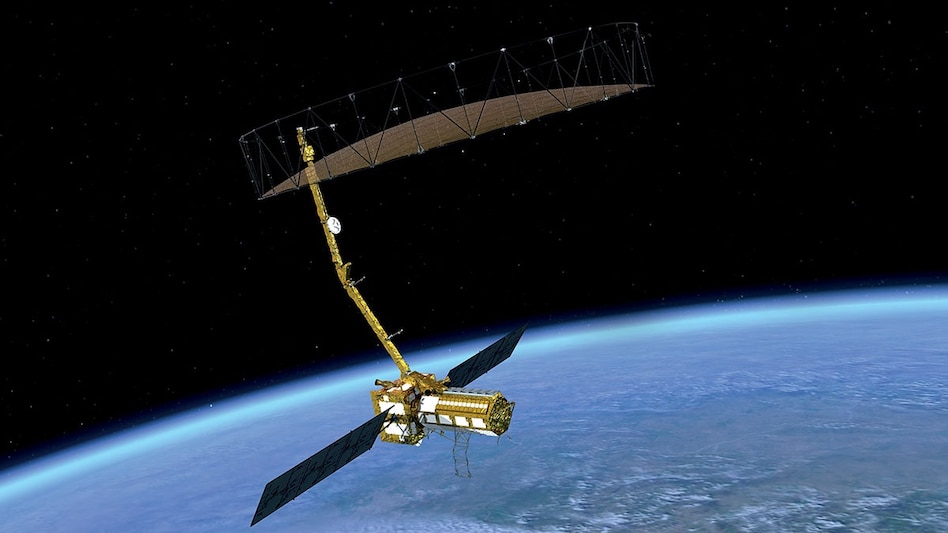
The NASA-ISRO Synthetic Aperture Radar (NISAR) mission is a groundbreaking collaboration between the United States and India, poised to redefine how we observe our planet. As the first radar imaging satellite jointly developed by NASA and the Indian Space Research Organisation (ISRO), NISAR will deliver unprecedented insights into Earth’s dynamic surface — from climate change and natural disasters to groundwater use and vegetation health.
Launch Details – Don’t Miss It
Launch Date: Wednesday, July 30, 2025 Time: 8:10 a.m. EDT / 5:40 p.m. IST Location: Satish Dhawan Space Centre, Sriharikota, India
How to Watch: Live coverage begins 7 a.m. EDT / 4:30 p.m. IST Stream on: NASA+ NASA YouTube JPL YouTube Real-time updates: Follow NASA’s NISAR mission blog
A prelaunch briefing will be held Monday, July 28 at 12 p.m. EDT, featuring NASA and JPL officials. Watch it live on JPL’s YouTube channel and engage by posting questions with #AskNISAR.
Key Facts About the NISAR Mission
Joint Effort: First US-India satellite mission of its kind, combining NASA's L-band radar and ISRO's S-band radar. ️ High Precision: Capable of detecting Earth surface changes as small as a few millimeters. Global Coverage: Operates in a sun-synchronous polar orbit, circling Earth 14 times a day, with a 12-day repeat cycle. ️All-Weather Imaging: Penetrates cloud cover and vegetation, collecting data day and night. Scientific Applications: Tracks glaciers and ice sheets Monitors earthquakes and land shifts Maps vegetation and biomass Measures land subsidence from groundwater loss
Mission Investment: Total Value: $1.5 billion NASA: $1.2 billion (radar systems, GPS, tech support) ISRO: ₹788 crore ($93 million) for platform, radar, launch vehicle, and infrastructure Open Data Access: NISAR’s data will be freely available worldwide—empowering climate research, disaster response, and sustainable agriculture.
The NISAR mission represents a critical step in building a better understanding of Earth's processes and enabling informed action in the face of a changing plane
The NASA-ISRO Synthetic Aperture Radar (NISAR) mission is a groundbreaking collaboration between the United States and India, poised to redefine how we observe our planet. As the first radar imaging satellite jointly developed by NASA and the Indian Space Research Organisation (ISRO), NISAR will deliver unprecedented insights into Earth’s dynamic surface — from climate change and natural disasters to groundwater use and vegetation health.
Launch Details – Don’t Miss It
Launch Date: Wednesday, July 30, 2025 Time: 8:10 a.m. EDT / 5:40 p.m. IST Location: Satish Dhawan Space Centre, Sriharikota, India
How to Watch: Live coverage begins 7 a.m. EDT / 4:30 p.m. IST Stream on: NASA+ NASA YouTube JPL YouTube Real-time updates: Follow NASA’s NISAR mission blog
A prelaunch briefing will be held Monday, July 28 at 12 p.m. EDT, featuring NASA and JPL officials. Watch it live on JPL’s YouTube channel and engage by posting questions with #AskNISAR.
Key Facts About the NISAR Mission
Joint Effort: First US-India satellite mission of its kind, combining NASA's L-band radar and ISRO's S-band radar. ️ High Precision: Capable of detecting Earth surface changes as small as a few millimeters. Global Coverage: Operates in a sun-synchronous polar orbit, circling Earth 14 times a day, with a 12-day repeat cycle. ️All-Weather Imaging: Penetrates cloud cover and vegetation, collecting data day and night. Scientific Applications: Tracks glaciers and ice sheets Monitors earthquakes and land shifts Maps vegetation and biomass Measures land subsidence from groundwater loss
Mission Investment: Total Value: $1.5 billion NASA: $1.2 billion (radar systems, GPS, tech support) ISRO: ₹788 crore ($93 million) for platform, radar, launch vehicle, and infrastructure Open Data Access: NISAR’s data will be freely available worldwide—empowering climate research, disaster response, and sustainable agriculture.
The NISAR mission represents a critical step in building a better understanding of Earth's processes and enabling informed action in the face of a changing plane