
‘Not a strategic asset anymore’: Iran attacks trigger debate in UAE on US bases
Abdulkhaleq Abdulla, an associate professor of political science at UAE University and a prominent commentator, has emerged as a leading voice questioning the status quo. In a widely discussed post, Abdulla argued that American military facilities are no longer “strategic assets” for the UAE.
- Apr 20, 2026,
- Updated Apr 20, 2026 2:13 PM IST
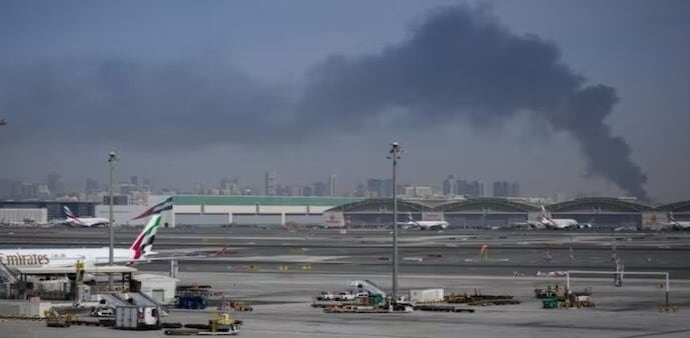
Tensions across West Asia have spilled into an unexpected domestic debate within the United Arab Emirates, where the strategic value of hosting American military bases is now being openly questioned. The discussion has intensified following unverified claims by Iran that it carried out strikes on US-linked sites inside the Gulf nation amid the ongoing regional conflict involving United States and Israel.
Debate over US military presence
The developments have triggered a wider debate within the UAE about the role and risks of hosting American bases. Abdulkhaleq Abdulla, an associate professor of political science at UAE University and a prominent commentator, has emerged as a leading voice questioning the status quo.
In a widely discussed post, Abdulla argued that American military facilities are no longer “strategic assets” for the UAE. He suggested that the country has demonstrated sufficient defensive capability during recent hostilities and should reconsider the necessity of maintaining a foreign military footprint on its soil.
“The UAE no longer needs America to defend it,” he said, adding that such bases may now represent more of a liability than a benefit, particularly if they attract retaliatory attacks from adversaries like Iran.
Iranian strikes claims stir unease
According to Iranian statements, missile and drone attacks targeted installations associated with US military operations in the UAE during the latest escalation. Among the sites reportedly hit was a US command facility near Al Minhad, a key logistics and air operations hub used by American forces. Iranian sources also claimed that the strikes resulted in “significant casualties” among US personnel and disrupted military coordination in the region.
However, these claims remain unverified. Neither the United States nor UAE authorities have confirmed any casualties or acknowledged damage to military infrastructure. Analysts note that information warfare has become a critical component of the ongoing conflict, with both sides attempting to shape narratives around battlefield developments.
Despite the lack of confirmation, the mere suggestion of successful Iranian strikes inside UAE territory has raised concerns about the country’s vulnerability as a host of foreign military assets. Security experts point out that even limited attacks — whether intercepted or symbolic — can alter public perception and strategic calculations in a region already on edge.
Strategic recalibration or temporary sentiment?
The UAE has long been a key security partner for the United States in the Gulf, hosting critical infrastructure that supports air operations, surveillance, and rapid deployment across West Asia. Facilities such as Al Minhad Air Base have played roles in missions ranging from counterterrorism to regional deterrence.
Yet, the evolving nature of threats — especially the rise of precision missile and drone warfare — has complicated the calculus. Iranian-backed capabilities demonstrated in past attacks on Gulf infrastructure, including strikes on oil facilities and shipping routes, have shown that even heavily defended locations are not immune.
The debate in the UAE reflects a broader shift in West Asia, where countries are seeking greater strategic autonomy while balancing relationships with major powers. As tensions between Iran, the United States, and Israel continue to simmer, Gulf nations are reassessing how best to insulate themselves from spillover risks.
Tensions across West Asia have spilled into an unexpected domestic debate within the United Arab Emirates, where the strategic value of hosting American military bases is now being openly questioned. The discussion has intensified following unverified claims by Iran that it carried out strikes on US-linked sites inside the Gulf nation amid the ongoing regional conflict involving United States and Israel.
Debate over US military presence
The developments have triggered a wider debate within the UAE about the role and risks of hosting American bases. Abdulkhaleq Abdulla, an associate professor of political science at UAE University and a prominent commentator, has emerged as a leading voice questioning the status quo.
In a widely discussed post, Abdulla argued that American military facilities are no longer “strategic assets” for the UAE. He suggested that the country has demonstrated sufficient defensive capability during recent hostilities and should reconsider the necessity of maintaining a foreign military footprint on its soil.
“The UAE no longer needs America to defend it,” he said, adding that such bases may now represent more of a liability than a benefit, particularly if they attract retaliatory attacks from adversaries like Iran.
Iranian strikes claims stir unease
According to Iranian statements, missile and drone attacks targeted installations associated with US military operations in the UAE during the latest escalation. Among the sites reportedly hit was a US command facility near Al Minhad, a key logistics and air operations hub used by American forces. Iranian sources also claimed that the strikes resulted in “significant casualties” among US personnel and disrupted military coordination in the region.
However, these claims remain unverified. Neither the United States nor UAE authorities have confirmed any casualties or acknowledged damage to military infrastructure. Analysts note that information warfare has become a critical component of the ongoing conflict, with both sides attempting to shape narratives around battlefield developments.
Despite the lack of confirmation, the mere suggestion of successful Iranian strikes inside UAE territory has raised concerns about the country’s vulnerability as a host of foreign military assets. Security experts point out that even limited attacks — whether intercepted or symbolic — can alter public perception and strategic calculations in a region already on edge.
Strategic recalibration or temporary sentiment?
The UAE has long been a key security partner for the United States in the Gulf, hosting critical infrastructure that supports air operations, surveillance, and rapid deployment across West Asia. Facilities such as Al Minhad Air Base have played roles in missions ranging from counterterrorism to regional deterrence.
Yet, the evolving nature of threats — especially the rise of precision missile and drone warfare — has complicated the calculus. Iranian-backed capabilities demonstrated in past attacks on Gulf infrastructure, including strikes on oil facilities and shipping routes, have shown that even heavily defended locations are not immune.
The debate in the UAE reflects a broader shift in West Asia, where countries are seeking greater strategic autonomy while balancing relationships with major powers. As tensions between Iran, the United States, and Israel continue to simmer, Gulf nations are reassessing how best to insulate themselves from spillover risks.