
'Oil could hit $200 a barrel if...': Yemen threatens to close Bab al-Mandeb Strait amid US-Iran war
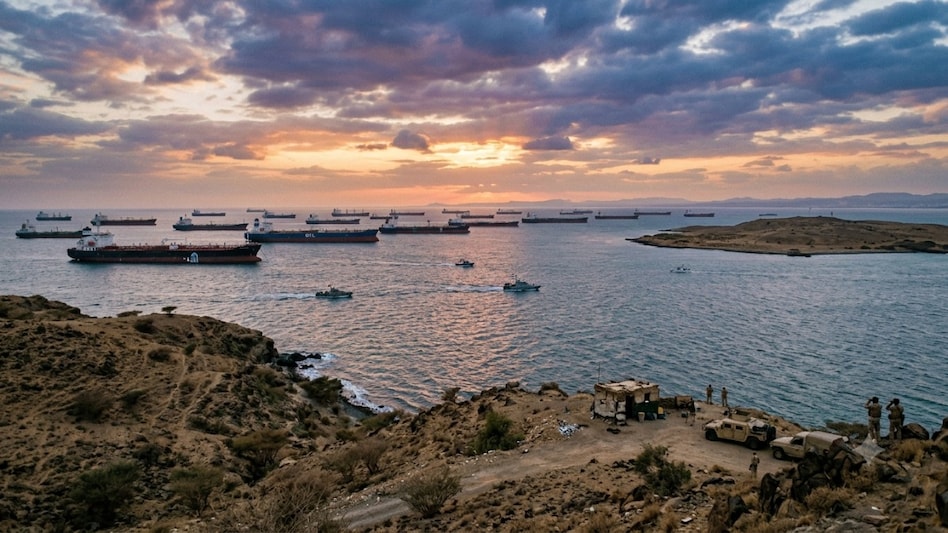
Known as the "Gate of Tears" or "Gate of Grief" in Arabic, the Bab al-Mandeb is a strategically critical maritime passage between the Arabian Peninsula and the Horn of Africa.
- Jul 14, 2026,
- Updated Jul 14, 2026 11:57 AM IST
Amid growing concerns over global energy supplies and maritime trade, Yemen has threatened to close the strategically important Bab al-Mandeb Strait — a move that could disrupt global shipping, send oil prices soaring and hit India's trade routes.
What did Yemen say?
Mohammed al-Farah, a member of the political bureau of Yemen's Ansarullah movement, said the Bab al-Mandeb Strait and the Strait of Hormuz could be closed "in an operational alliance" if Saudi Arabia continues to target Yemen's critical infrastructure.
"If the current situation aggravates, the Bab al-Mandeb Strait and the Strait of Hormuz will be closed in an operational alliance. Oil prices would then skyrocket to $200 a barrel in a dreadful shock," al-Farah was quoted as saying by Press TV on Monday.
Why is the Bab al-Mandeb Strait so important?
Known as the "Gate of Tears" or "Gate of Grief" in Arabic, the Bab al-Mandeb is a strategically critical maritime passage between the Arabian Peninsula and the Horn of Africa. It connects the Red Sea with the Gulf of Aden and the Indian Ocean, making it one of the world's busiest shipping lanes.
The strait also serves as the southern gateway to the Suez Canal and carries around 10-12% of global maritime trade, including a significant share of the world's energy shipments.
Why does this matter for India?
After Hormuz, India depends on the Bab al-Mandeb Strait to import crude oil and liquefied natural gas (LNG) from parts of West Asia and North Africa. The route is equally important for exports, with private and public Indian refiners regularly shipping processed and refined petroleum products through the strait to European buyers.
With nearly 95% of India's trade moving by sea, the Bab al-Mandeb serves as a crucial gateway for exports to Europe, North America and North Africa.
Together, the Suez Canal and the Bab al-Mandeb Strait facilitate nearly 35% of India's total foreign trade. Bulk exports such as textiles, garments, pharmaceuticals, machinery and agricultural products, including Basmati rice, pass through this route. Around 80% of Indian merchandise exports bound for Europe transit through the Red Sea region.
How could India be affected?
If the Bab al-Mandeb Strait becomes inaccessible, cargo vessels would be forced to avoid the route and sail around South Africa's Cape of Good Hope instead. This diversion adds 10-14 days to shipping voyages from India, increases freight rates by more than 200% for certain commodities and could fuel higher domestic inflation by raising transportation and logistics costs.
Amid growing concerns over global energy supplies and maritime trade, Yemen has threatened to close the strategically important Bab al-Mandeb Strait — a move that could disrupt global shipping, send oil prices soaring and hit India's trade routes.
What did Yemen say?
Mohammed al-Farah, a member of the political bureau of Yemen's Ansarullah movement, said the Bab al-Mandeb Strait and the Strait of Hormuz could be closed "in an operational alliance" if Saudi Arabia continues to target Yemen's critical infrastructure.
"If the current situation aggravates, the Bab al-Mandeb Strait and the Strait of Hormuz will be closed in an operational alliance. Oil prices would then skyrocket to $200 a barrel in a dreadful shock," al-Farah was quoted as saying by Press TV on Monday.
Why is the Bab al-Mandeb Strait so important?
Known as the "Gate of Tears" or "Gate of Grief" in Arabic, the Bab al-Mandeb is a strategically critical maritime passage between the Arabian Peninsula and the Horn of Africa. It connects the Red Sea with the Gulf of Aden and the Indian Ocean, making it one of the world's busiest shipping lanes.
The strait also serves as the southern gateway to the Suez Canal and carries around 10-12% of global maritime trade, including a significant share of the world's energy shipments.
Why does this matter for India?
After Hormuz, India depends on the Bab al-Mandeb Strait to import crude oil and liquefied natural gas (LNG) from parts of West Asia and North Africa. The route is equally important for exports, with private and public Indian refiners regularly shipping processed and refined petroleum products through the strait to European buyers.
With nearly 95% of India's trade moving by sea, the Bab al-Mandeb serves as a crucial gateway for exports to Europe, North America and North Africa.
Together, the Suez Canal and the Bab al-Mandeb Strait facilitate nearly 35% of India's total foreign trade. Bulk exports such as textiles, garments, pharmaceuticals, machinery and agricultural products, including Basmati rice, pass through this route. Around 80% of Indian merchandise exports bound for Europe transit through the Red Sea region.
How could India be affected?
If the Bab al-Mandeb Strait becomes inaccessible, cargo vessels would be forced to avoid the route and sail around South Africa's Cape of Good Hope instead. This diversion adds 10-14 days to shipping voyages from India, increases freight rates by more than 200% for certain commodities and could fuel higher domestic inflation by raising transportation and logistics costs.