
One of world’s biggest LNG exporters has declared force majeure on deliveries, suspended exports
US-Iran war: Liquefied natural gas supplies to several Asian buyers in India and South Korea will be impacted by this force majeure.
- Jul 23, 2026,
- Updated Jul 23, 2026 4:36 PM IST
Amid the disruptions in the Strait of Hormuz, and the naval blockade of Saudi Arabia announced by the Houthis, one of the world's biggest LNG exporters is shutting liquefaction trains, declaring force majeure on deliveries and suspending exports.
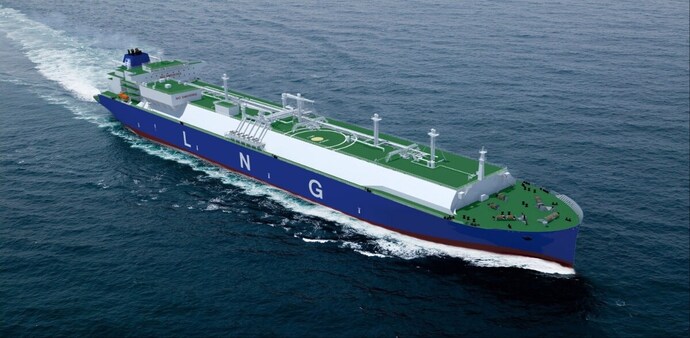
According to a report in Reuters, QatarEnergy has extended force majeure – a clause designed to relieve parties of liability due to extraordinary and uncontrollable events – on liquefied natural gas (LNG) supplies to several Asian buyers in India and South Korea. It continues to lease out some of its LNG tankers through mid-October.
QatarEnergy’s decision indicates that export disruptions could persist due to the US-Iran war.
It must be mentioned here that Qatar accounts for about a fifth of global LNG trade. A prolonged outage could not only tighten supplies but also spike prices for key Asian buyers.
Trade sources told the news agency that the force majeure could possibly be extended till October.
This comes as the US military conducted its 12th consecutive night of airstrikes against Iran on Wednesday on the orders from President Trump. The ceasefire that briefly paused the conflict in June has ended, and the war is expanding in both geographic scope and intensity.
CENTCOM stated that the mission aims to further reduce Iran's ability to threaten civilian mariners and commercial vessels in regional waters.
Trump also issued a warning on Wednesday, saying the US would target Iranian bridges and power plants in response to any Iranian attacks on vessels in the Strait of Hormuz. Iran responded firmly, with Foreign Minister Abbas Araqchi posting on X that their defence doctrine is "eye for an eye" and any aggression against Iran, including its infrastructure, will lead to a strong and decisive response.
Amid the disruptions in the Strait of Hormuz, and the naval blockade of Saudi Arabia announced by the Houthis, one of the world's biggest LNG exporters is shutting liquefaction trains, declaring force majeure on deliveries and suspending exports.
According to a report in Reuters, QatarEnergy has extended force majeure – a clause designed to relieve parties of liability due to extraordinary and uncontrollable events – on liquefied natural gas (LNG) supplies to several Asian buyers in India and South Korea. It continues to lease out some of its LNG tankers through mid-October.
QatarEnergy’s decision indicates that export disruptions could persist due to the US-Iran war.
It must be mentioned here that Qatar accounts for about a fifth of global LNG trade. A prolonged outage could not only tighten supplies but also spike prices for key Asian buyers.
Trade sources told the news agency that the force majeure could possibly be extended till October.
This comes as the US military conducted its 12th consecutive night of airstrikes against Iran on Wednesday on the orders from President Trump. The ceasefire that briefly paused the conflict in June has ended, and the war is expanding in both geographic scope and intensity.
CENTCOM stated that the mission aims to further reduce Iran's ability to threaten civilian mariners and commercial vessels in regional waters.
Trump also issued a warning on Wednesday, saying the US would target Iranian bridges and power plants in response to any Iranian attacks on vessels in the Strait of Hormuz. Iran responded firmly, with Foreign Minister Abbas Araqchi posting on X that their defence doctrine is "eye for an eye" and any aggression against Iran, including its infrastructure, will lead to a strong and decisive response.