


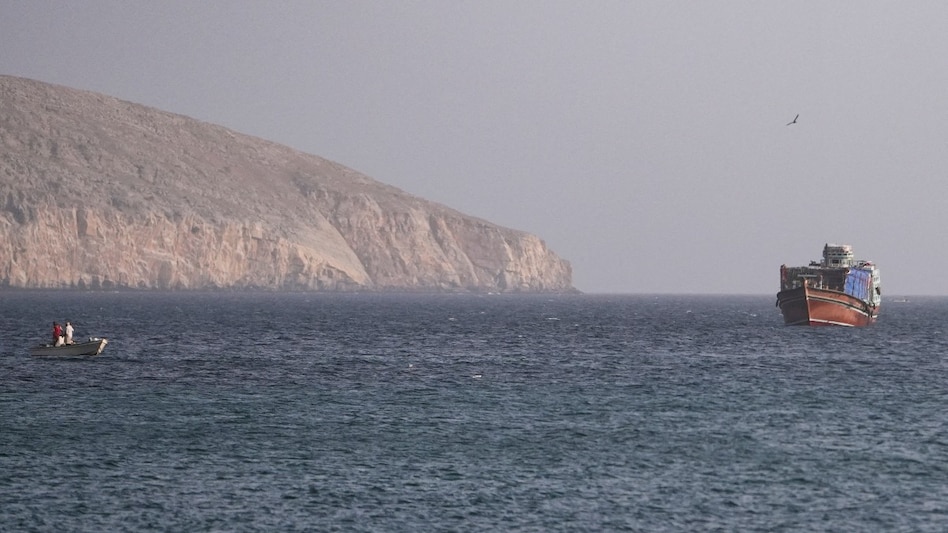
 A second chokepoint after Hormuz threatens shipping and infrastructure
 US-Iran war: A second chokepoint in global oil shipping opened on Thursday as the Iranian-aligned Houthis claimed missile and drone strikes on two Saudi oil tankers in the Red Sea. The Houthis said this was part of a naval blockade on Saudi Arabia, alongside Iran's attempt to control the Strait of Hormuz. The claim came as the US military said it had launched a fresh round of strikes on Iran, marking the 12th consecutive night of American attacks.
The developments have raised concerns over oil shipping, regional infrastructure, and the growing human and military cost of the war. Iran's near-total blockade of the Strait of Hormuz had already pushed up oil prices, increased inflation worldwide, and added pressure on US petrol consumers.

 India to face 100% tariffs? US House moves Russia Sanctions bill, final vote tomorrow
 'Important step': RBI backs new UPI charges, says all transactions remain free for users
 Brent crude futures fell 93 cents to $107.82 a barrel even amid supply risks: Here’s what’s happening
 Mecca on air alert: Saudi Arabia issues first-ever warning amid Houthi attacks in West Asia
 From floor trading to free cash flow: What NSE achieved in 32-year journey, numbers tell story
 Crude Oil Price Surge: Will Petrol And Diesel Prices Rise In India?
 Market Commentary: Sharad Avasthi On Nifty, Stocks & The Next Big Move
 RBI Files Caveat In Bombay HC Ahead Of Tata Sons Appeal | Tata Group Stocks | Tata Chemical Shares
 NSE IPO Explained: Price Band, Valuation, Growth Potential And Key Risks
 Stock Market Falls As Crude Oil Nears $110 & Weak Rupee | Stock Market News
 BHEL, Titagarh Rail Systems shares in focus today; here's why
  ACME Solar, Kopran, Aegis Vopak: Top stocks to trade — Key levels, target price & stop loss
 Block deal today: Groww shareholders to sell $200 million worth shares at 3% discount
 Nifty, Sensex, Nifty Bank outlook for today: GIFT Nifty up 3 points; key levels & triggers to watch
 Top stocks in news: Groww, Kanohar, BHEL, Glass Wall, Auro Pharma, GMR Airports, Prasol, NBCC
  LPG, CNG, PNG prices today (September 16): Check latest rates in Delhi, Mumbai, Kolkata, other citiesBHEL, Titagarh Rail Systems shares in focus today; here's why ACME Solar, Kopran, Aegis Vopak: Top stocks to trade — Key levels, target price & stop lossBrent crude futures fell 93 cents to $107.82 a barrel even amid supply risks: Here’s what’s happeningBlock deal today: Groww shareholders to sell $200 million worth shares at 3% discount












