
'President suppressed many things about Aug 5, 2024': Jamaat chief blasts Mohd Shahabuddin, flags Yunus' nexus with Islamists
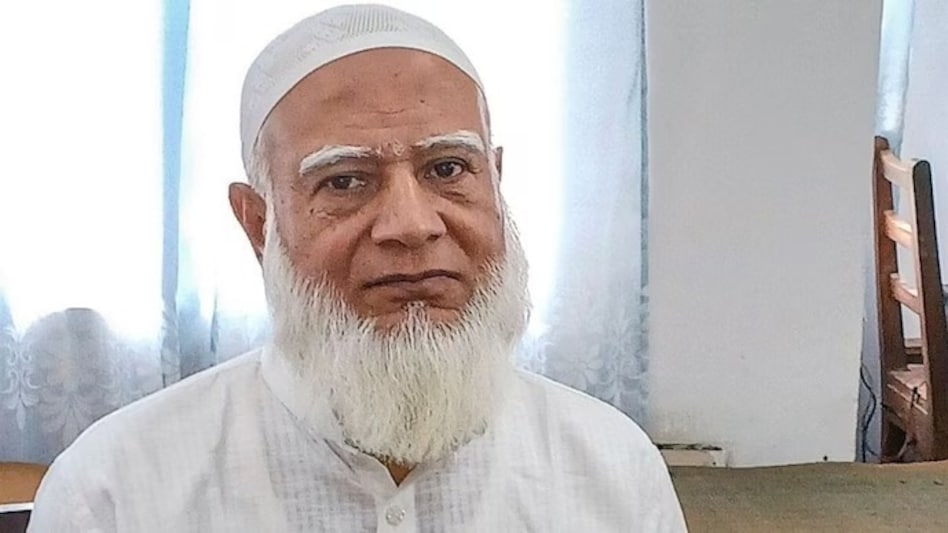
Rahman criticised the President’s statements and omissions, claiming that he hid many things about former Prime Minister Sheikh Hasina's ouster from the country in August 2024.
- Feb 26, 2026,
- Updated Feb 26, 2026 11:45 AM IST
Bangladesh President Mohammed Shahabuddin has come under scrutiny following his remarks about the period under Professor Muhammad Yunus’s interim government, with Bangladesh Jamaat-e-Islami chief Shafiqur Rahman levelling pointed criticism at him. Rahman criticised the President’s statements and omissions, claiming that he hid many things about former Prime Minister Sheikh Hasina's ouster from the country in August 2024.
"The President has suppressed many things regarding August 5, 2024. He did not acknowledge in his current statement what he told the leaders present regarding the resignation of the fallen and fugitive Prime Minister and what he later told the nation. And he did not say anything that day that he is saying now," Rahman wrote on Facebook on Tuesday.
The President previously described efforts to collect former Prime Minister Sheikh Hasina’s resignation letter, stating, "I tried [to collect the resignation letter] many times but failed. Maybe she did not have the time," in an interview with Janatar Chokh in October 2024.
Shahabuddin’s comments came after months of unrest and calls for his removal, which he ultimately survived, partly due to BNP support during the Yunus regime. He stated, "A high-ranking leader from the BNP assured me that I had their support. We want to maintain constitutional continuity. We are not in favour of removing the President through any unconstitutional means," as reported by Kaler Kontho.
The President raised concerns over the lack of communication from the Yunus administration, particularly regarding a significant trade deal with the United States. "Such a state agreement should have been informed to me," he said, adding, "Be it small or big, of course the previous heads of government informed the President. And this is a constitutional obligation. But he [Yunus] did not do it."
Observers and journalists have highlighted the alleged mutually beneficial relationship between the Yunus regime and Islamist groups. Journalist Subir Bhaumik described the government’s approach as "pampering fundamentalist elements capable of stifling the syncretic Bengali culture and the secular linguistic nationalism that led to the country's violent breakaway from Pakistan in 1971".
The period also saw the release of several Islamist leaders, including convicted individuals and a 1971 war criminal, as well as renewed ties with Pakistan. These changes led to criticism over the perceived influence of Islamist groups in government actions.
President Shahabuddin has also alleged that he was placed under virtual house arrest, preventing him from seeking medical treatment abroad. "I had a bypass surgery at the National University Hospital of Singapore. A year after the surgery, I had a follow-up appointment at the hospital there. I wrote to the Ministry of Foreign Affairs to go to Singapore for treatment. In response, I was directly prohibited," he alleged.
Bangladesh President Mohammed Shahabuddin has come under scrutiny following his remarks about the period under Professor Muhammad Yunus’s interim government, with Bangladesh Jamaat-e-Islami chief Shafiqur Rahman levelling pointed criticism at him. Rahman criticised the President’s statements and omissions, claiming that he hid many things about former Prime Minister Sheikh Hasina's ouster from the country in August 2024.
"The President has suppressed many things regarding August 5, 2024. He did not acknowledge in his current statement what he told the leaders present regarding the resignation of the fallen and fugitive Prime Minister and what he later told the nation. And he did not say anything that day that he is saying now," Rahman wrote on Facebook on Tuesday.
The President previously described efforts to collect former Prime Minister Sheikh Hasina’s resignation letter, stating, "I tried [to collect the resignation letter] many times but failed. Maybe she did not have the time," in an interview with Janatar Chokh in October 2024.
Shahabuddin’s comments came after months of unrest and calls for his removal, which he ultimately survived, partly due to BNP support during the Yunus regime. He stated, "A high-ranking leader from the BNP assured me that I had their support. We want to maintain constitutional continuity. We are not in favour of removing the President through any unconstitutional means," as reported by Kaler Kontho.
The President raised concerns over the lack of communication from the Yunus administration, particularly regarding a significant trade deal with the United States. "Such a state agreement should have been informed to me," he said, adding, "Be it small or big, of course the previous heads of government informed the President. And this is a constitutional obligation. But he [Yunus] did not do it."
Observers and journalists have highlighted the alleged mutually beneficial relationship between the Yunus regime and Islamist groups. Journalist Subir Bhaumik described the government’s approach as "pampering fundamentalist elements capable of stifling the syncretic Bengali culture and the secular linguistic nationalism that led to the country's violent breakaway from Pakistan in 1971".
The period also saw the release of several Islamist leaders, including convicted individuals and a 1971 war criminal, as well as renewed ties with Pakistan. These changes led to criticism over the perceived influence of Islamist groups in government actions.
President Shahabuddin has also alleged that he was placed under virtual house arrest, preventing him from seeking medical treatment abroad. "I had a bypass surgery at the National University Hospital of Singapore. A year after the surgery, I had a follow-up appointment at the hospital there. I wrote to the Ministry of Foreign Affairs to go to Singapore for treatment. In response, I was directly prohibited," he alleged.