
Putin unveils a nuclear-capable missile that ‘can fly for days’. What is ‘Skyfall’?
Putin said he has ordered the construction of infrastructure needed to deploy the missile into active service, marking a major step in Moscow’s pursuit of advanced strategic weaponry. “The decisive tests are now complete,” Putin declared.
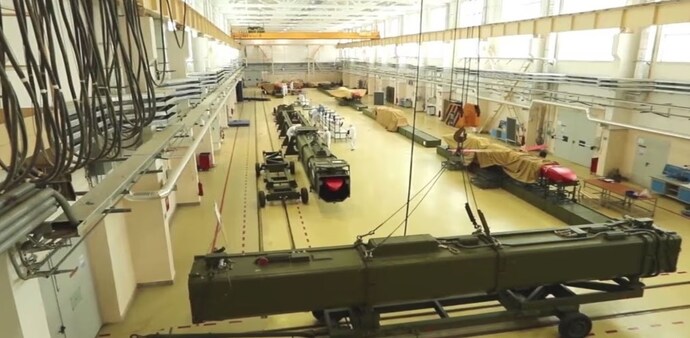
- Oct 26, 2025,
- Updated Oct 26, 2025 9:40 PM IST
President Vladimir Putin announced that Russia has successfully tested the long-delayed nuclear-powered, nuclear-capable Burevestnik cruise missile — a weapon Moscow claims can evade all existing defense systems.
The Kremlin released a video on October 26 showing Putin meeting Chief of the General Staff Valery Gerasimov at a military command post, where the Russian leader said the missile had completed “decisive tests.” According to Putin, the Burevestnik, known to NATO as Skyfall, flew approximately 14,000 km (8,700 miles) over 15 hours during the trial.
Putin said he has ordered the construction of infrastructure needed to deploy the missile into active service, marking a major step in Moscow’s pursuit of advanced strategic weaponry. “The decisive tests are now complete,” Putin declared, describing the system as part of Russia’s next-generation deterrent capabilities.
The Burevestnik, under development for over a decade, is powered by a miniature nuclear reactor that theoretically allows it to remain airborne for days — giving it virtually unlimited range. The project has attracted significant attention from Western intelligence and arms control experts due to its novel technology and history of testing failures.
The announcement comes as Russia’s war in Ukraine drags into its 45th month, with Russian forces making incremental territorial gains. At the same time, Ukraine continues urging the United States and its allies to supply longer-range munitions such as Tomahawk missiles to strike targets deeper inside Russian territory.
Putin’s comments also arrive amid rising tensions in global arms control. The landmark New START treaty, which limits US and Russian nuclear arsenals to 1,550 deployed strategic warheads and 700 launchers each, is set to expire early next year, raising fears of a renewed nuclear arms race.
President Vladimir Putin announced that Russia has successfully tested the long-delayed nuclear-powered, nuclear-capable Burevestnik cruise missile — a weapon Moscow claims can evade all existing defense systems.
The Kremlin released a video on October 26 showing Putin meeting Chief of the General Staff Valery Gerasimov at a military command post, where the Russian leader said the missile had completed “decisive tests.” According to Putin, the Burevestnik, known to NATO as Skyfall, flew approximately 14,000 km (8,700 miles) over 15 hours during the trial.
Putin said he has ordered the construction of infrastructure needed to deploy the missile into active service, marking a major step in Moscow’s pursuit of advanced strategic weaponry. “The decisive tests are now complete,” Putin declared, describing the system as part of Russia’s next-generation deterrent capabilities.
The Burevestnik, under development for over a decade, is powered by a miniature nuclear reactor that theoretically allows it to remain airborne for days — giving it virtually unlimited range. The project has attracted significant attention from Western intelligence and arms control experts due to its novel technology and history of testing failures.
The announcement comes as Russia’s war in Ukraine drags into its 45th month, with Russian forces making incremental territorial gains. At the same time, Ukraine continues urging the United States and its allies to supply longer-range munitions such as Tomahawk missiles to strike targets deeper inside Russian territory.
Putin’s comments also arrive amid rising tensions in global arms control. The landmark New START treaty, which limits US and Russian nuclear arsenals to 1,550 deployed strategic warheads and 700 launchers each, is set to expire early next year, raising fears of a renewed nuclear arms race.