
As Hormuz chokes oil & gas supplies, US targets Iranian missile silos
Strait of Hormuz: Donald Trump stated that most NATO allies declined to participate in the US military operation in Iran, a decision he described as a "very foolish mistake."
- Mar 18, 2026,
- Updated Mar 18, 2026 10:57 AM IST
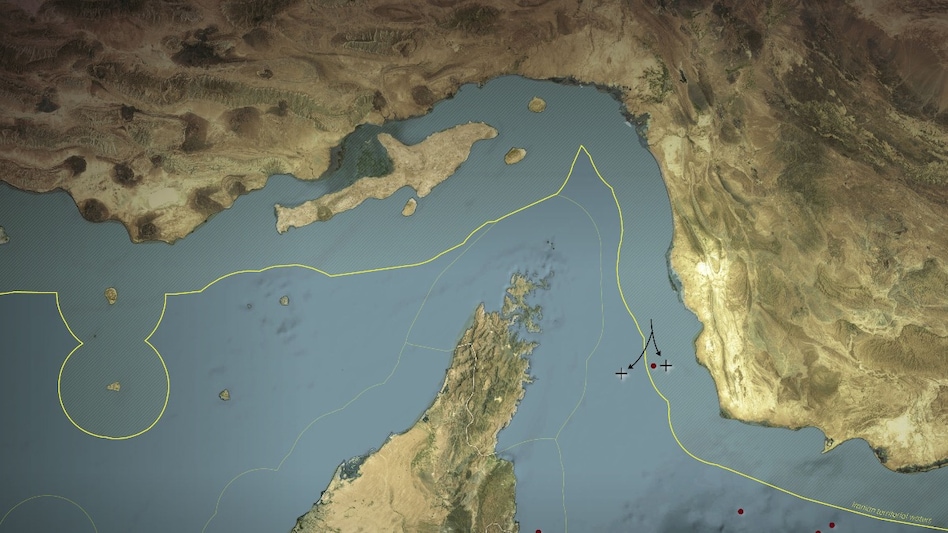
US Central Command has confirmed that American forces recently used multiple 5,000-pound deep penetrator munitions against fortified Iranian missile sites along Iran’s coastline near the Strait of Hormuz. The strike follows heightened tensions in the region after Iran's response to US-Israeli operations included the use of drones, missiles and mines to disrupt tanker movements in the strait.
“Hours ago, US forces successfully employed multiple 5,000-pound deep penetrator munitions on hardened Iranian missile sites along Iran’s coastline near the Strait of Hormuz. The Iranian anti-ship cruise missiles in these sites posed a risk to international shipping in the strait,” said CENTCOM.
The US military action aims to neutralise threats to the critical waterway, through which a significant portion of the world’s oil supply passes, leading to increased energy prices and inflation concerns. Several US allies have criticised Washington and Israel for not consulting them prior to the war and have declined to participate in escort missions through the strait.
Meanwhile, President Donald Trump stated that most NATO allies declined to participate in the US military operation in Iran, a decision he described as a "very foolish mistake." However, he did not indicate any plans to penalise these allies for their stance during a press interaction in the Oval Office.
Trump emphasised that while NATO countries supported the joint US-Israeli campaign, they preferred not to become directly involved. He also called on nations to assist in securing the Strait of Hormuz to ensure safe passage for global oil shipments.
Despite the president’s appeal, several US allies have so far refused to send naval forces to help reopen the strait. On social media, Trump later stated that due to the military success achieved, the US no longer required assistance from NATO countries, singling out Japan, Australia and South Korea.
Additionally, Israeli Foreign Minister Gideon Saar declared that Israel has effectively won its war with Iran, describing the country as significantly weakened since the conflict began on February 28. Saar said the military campaign would continue until its objectives were fully met.
While Israel claims progress, Iran launched numerous missile attacks on Israel on Tuesday. The conflict has also spread regionally, with fighting involving Iran-backed groups in Lebanon and strikes on Gulf Arab states.
US Central Command has confirmed that American forces recently used multiple 5,000-pound deep penetrator munitions against fortified Iranian missile sites along Iran’s coastline near the Strait of Hormuz. The strike follows heightened tensions in the region after Iran's response to US-Israeli operations included the use of drones, missiles and mines to disrupt tanker movements in the strait.
“Hours ago, US forces successfully employed multiple 5,000-pound deep penetrator munitions on hardened Iranian missile sites along Iran’s coastline near the Strait of Hormuz. The Iranian anti-ship cruise missiles in these sites posed a risk to international shipping in the strait,” said CENTCOM.
The US military action aims to neutralise threats to the critical waterway, through which a significant portion of the world’s oil supply passes, leading to increased energy prices and inflation concerns. Several US allies have criticised Washington and Israel for not consulting them prior to the war and have declined to participate in escort missions through the strait.
Meanwhile, President Donald Trump stated that most NATO allies declined to participate in the US military operation in Iran, a decision he described as a "very foolish mistake." However, he did not indicate any plans to penalise these allies for their stance during a press interaction in the Oval Office.
Trump emphasised that while NATO countries supported the joint US-Israeli campaign, they preferred not to become directly involved. He also called on nations to assist in securing the Strait of Hormuz to ensure safe passage for global oil shipments.
Despite the president’s appeal, several US allies have so far refused to send naval forces to help reopen the strait. On social media, Trump later stated that due to the military success achieved, the US no longer required assistance from NATO countries, singling out Japan, Australia and South Korea.
Additionally, Israeli Foreign Minister Gideon Saar declared that Israel has effectively won its war with Iran, describing the country as significantly weakened since the conflict began on February 28. Saar said the military campaign would continue until its objectives were fully met.
While Israel claims progress, Iran launched numerous missile attacks on Israel on Tuesday. The conflict has also spread regionally, with fighting involving Iran-backed groups in Lebanon and strikes on Gulf Arab states.