
'The Strait of Hormuz will open as...': Trump declares Iran war settlement, but Iran disputes the claim
The announcement came just hours after Trump pulled back from a planned military operation, saying talks with Tehran had advanced significantly and received approval from the highest levels of Iran's leadership
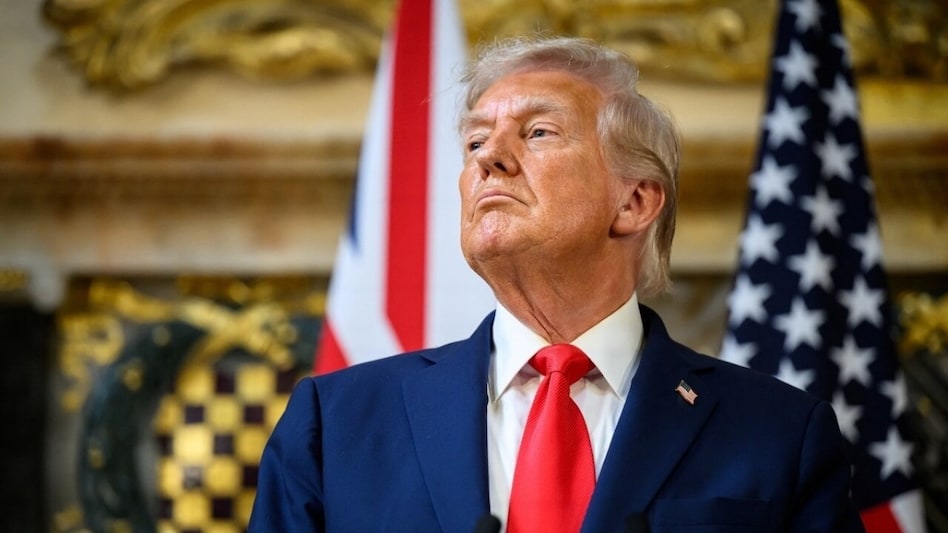
- Jun 12, 2026,
- Updated Jun 12, 2026 7:35 AM IST
After months of airstrikes, diplomatic near-misses, and repeated warnings of escalation, Donald Trump stepped before reporters at the White House on Thursday and declared the war with Iran effectively over. "We're going to be subject to the finalisation of documents. It should get done over the next few days," he told reporters, saying a formal signing ceremony could take place in Europe as early as this weekend.
The announcement came just hours after Trump pulled back from a planned military operation, saying talks with Tehran had advanced significantly and received approval from the highest levels of Iran's leadership.
"There will probably be a signing, maybe in Europe," Trump said, adding the process should proceed "pretty quickly." He said he would not attend personally but that Vice President JD Vance would represent the United States at the ceremony.
The Hormuz connection
Trump directly linked the finalisation of the agreement to the reopening of the Strait of Hormuz, which has been closed to most shipping throughout the conflict. "The Strait of Hormuz will open as soon as we have it signed," he said, a statement that, if realised, would bring immediate relief to global energy markets under sustained pressure since hostilities began in February.
The nuclear commitment
At the heart of the proposed agreement, according to Trump, is an Iranian commitment to never develop nuclear weapons. "We have a deal that Iran will never have a nuclear weapon, which was the whole purpose of what we had to go through to get this. So, it's a very big thing," he said.
When pressed on whether Iran had formally made that commitment, Trump was unequivocal: "They will not have a nuclear weapon. They have agreed to that." He also said Iran would not purchase or develop nuclear weapons under the future agreement. Iranian officials have consistently denied that Tehran ever sought nuclear weapons, maintaining that its nuclear programme is entirely peaceful.
Trump also claimed that Iran's Supreme Leader had personally endorsed the deal. Asked whether Mojtaba Khamenei had agreed, Trump said: "I understand the answer is yes."
Earlier on Thursday, Trump had posted on Truth Social that negotiators had reached broad agreement on both the framework and the details, with sign-off from a long list of parties: "Discussions and final points have been, in both concept and great detail, approved by all parties involved, including the United States, Israel, Saudi Arabia, UAE, Qatar, Turkey, Pakistan, Bahrain, Kuwait, Jordan, Egypt, and others."
Why Trump believes this time is different
Asked what made him confident this round of talks was closer to a conclusion than previous attempts, Trump said, "Because they've taken a pounding. They've taken a pounding that very few people could take. And they want to make a deal a lot more than I do." He added that Iran's "level of enthusiasm" for an agreement had changed markedly in recent weeks.
He said he had spoken with leaders across the region, including Gulf allies and Israeli Prime Minister Benjamin Netanyahu, and claimed that "the whole Middle East is very happy."
Iran's version
Tehran was not prepared to confirm Trump's characterisation. Foreign Ministry spokesperson Esmail Baghaei told state television that Iran had not yet reached a final conclusion on any agreement. "Iran has not yet reached a final conclusion regarding an agreement," he said, acknowledging that much of the proposed text had already been agreed while accusing Washington of making "excessive demands" and introducing "new requests" during the negotiations. He said Iran would not "give way under pressure" or "depart from its red lines."
After months of airstrikes, diplomatic near-misses, and repeated warnings of escalation, Donald Trump stepped before reporters at the White House on Thursday and declared the war with Iran effectively over. "We're going to be subject to the finalisation of documents. It should get done over the next few days," he told reporters, saying a formal signing ceremony could take place in Europe as early as this weekend.
The announcement came just hours after Trump pulled back from a planned military operation, saying talks with Tehran had advanced significantly and received approval from the highest levels of Iran's leadership.
"There will probably be a signing, maybe in Europe," Trump said, adding the process should proceed "pretty quickly." He said he would not attend personally but that Vice President JD Vance would represent the United States at the ceremony.
The Hormuz connection
Trump directly linked the finalisation of the agreement to the reopening of the Strait of Hormuz, which has been closed to most shipping throughout the conflict. "The Strait of Hormuz will open as soon as we have it signed," he said, a statement that, if realised, would bring immediate relief to global energy markets under sustained pressure since hostilities began in February.
The nuclear commitment
At the heart of the proposed agreement, according to Trump, is an Iranian commitment to never develop nuclear weapons. "We have a deal that Iran will never have a nuclear weapon, which was the whole purpose of what we had to go through to get this. So, it's a very big thing," he said.
When pressed on whether Iran had formally made that commitment, Trump was unequivocal: "They will not have a nuclear weapon. They have agreed to that." He also said Iran would not purchase or develop nuclear weapons under the future agreement. Iranian officials have consistently denied that Tehran ever sought nuclear weapons, maintaining that its nuclear programme is entirely peaceful.
Trump also claimed that Iran's Supreme Leader had personally endorsed the deal. Asked whether Mojtaba Khamenei had agreed, Trump said: "I understand the answer is yes."
Earlier on Thursday, Trump had posted on Truth Social that negotiators had reached broad agreement on both the framework and the details, with sign-off from a long list of parties: "Discussions and final points have been, in both concept and great detail, approved by all parties involved, including the United States, Israel, Saudi Arabia, UAE, Qatar, Turkey, Pakistan, Bahrain, Kuwait, Jordan, Egypt, and others."
Why Trump believes this time is different
Asked what made him confident this round of talks was closer to a conclusion than previous attempts, Trump said, "Because they've taken a pounding. They've taken a pounding that very few people could take. And they want to make a deal a lot more than I do." He added that Iran's "level of enthusiasm" for an agreement had changed markedly in recent weeks.
He said he had spoken with leaders across the region, including Gulf allies and Israeli Prime Minister Benjamin Netanyahu, and claimed that "the whole Middle East is very happy."
Iran's version
Tehran was not prepared to confirm Trump's characterisation. Foreign Ministry spokesperson Esmail Baghaei told state television that Iran had not yet reached a final conclusion on any agreement. "Iran has not yet reached a final conclusion regarding an agreement," he said, acknowledging that much of the proposed text had already been agreed while accusing Washington of making "excessive demands" and introducing "new requests" during the negotiations. He said Iran would not "give way under pressure" or "depart from its red lines."