
'They put trade ahead of Ukraine’: US Treasury Secretary Bessent slams India-EU trade deal
Bessent said he was unhappy that Brussels moved ahead with the agreement, which India and the EU finalised on Tuesday after years of negotiations
- Jan 29, 2026,
- Updated Jan 29, 2026 7:42 AM IST
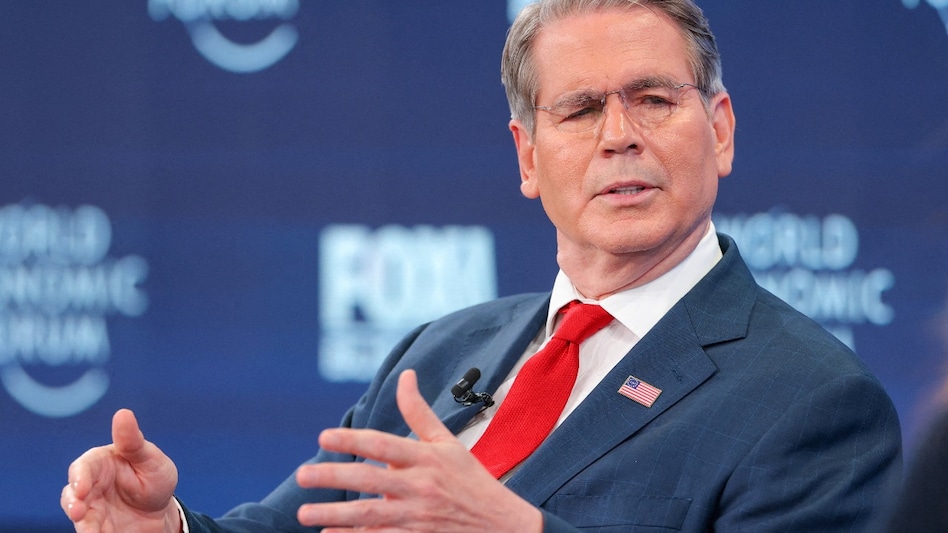
US Treasury Secretary Scott Bessent, on Wednesday, criticised the European Union's newly finalised trade agreement with India, arguing that the deal undercut the European Union’s public stance on Ukraine by putting commercial priorities first.
Speaking to CNBC, Bessent said he was unhappy that Brussels moved ahead with the agreement, which India and the EU finalised on Tuesday after years of negotiations. European Commission President Ursula von der Leyen has described the pact as the "mother of all deals".
"They should do what’s best for themselves," Bessent said. "But I will tell you, I find the Europeans very disappointing."
‘Unwilling to join us’ on tariffs
Bessent also alleged that European governments have continued to buy refined products from India that are linked to Russian oil, even as they declined to align with Washington’s tougher tariff strategy towards New Delhi.
"The Europeans were unwilling to join us," Bessent said. "And it turns out, because they wanted to do this trade deal."
He argued that this weakened Europe’s messaging on Ukraine. "So every time you hear a European talk about the importance of the Ukrainian people, remember that they put trade ahead of the Ukrainian people," he said.
What the India-EU deal aims to do
The agreement is expected to expand two-way trade and reduce Europe’s reliance on the US amid heightened global trade tensions. Brussels has said the pact will eliminate or lower tariffs on nearly 97 per cent of traded goods by value, potentially doubling EU exports to India by 2032 and saving European companies about €4 billion in duties.
Tariffs and transatlantic strains
Bessent’s remarks come as trade frictions between Washington and Brussels persist during US President Donald Trump’s second term. US officials have voiced frustration that the EU has not delivered on tariff reductions pledged under a framework agreement reached in July.
The tensions have also been amplified by Washington’s tariff moves against other partners, including South Korea, where duties were raised this week over what the US described as slow progress on a bilateral trade framework.
Bessent defended the administration’s tariff strategy, calling it "helpful to get things moved along".
Bessent repeats Russian oil critique
Bessent has made similar arguments in recent days, linking India’s refinery trade to European purchases. Speaking to ABC News on Sunday, he said: "We have put 25 per cent tariffs on India for buying Russian oil. Guess what happened last week? The Europeans signed a trade deal with India."
The Trump administration has imposed tariffs of up to 50 per cent on Indian goods, including a 25 per cent levy tied to India’s purchases of Russian oil. Those duties were doubled in August, escalating pressure on trade flows.
However, Bessent has recently indicated the US could still consider easing that specific penalty. Speaking to Politico on the sidelines of the World Economic Forum, he said Indian refinery purchases of Russian crude had fallen sharply, adding: "The tariffs are still on, 25 per cent tariffs for Russian oil are still on. I would imagine there is a path to take them off."
US Treasury Secretary Scott Bessent, on Wednesday, criticised the European Union's newly finalised trade agreement with India, arguing that the deal undercut the European Union’s public stance on Ukraine by putting commercial priorities first.
Speaking to CNBC, Bessent said he was unhappy that Brussels moved ahead with the agreement, which India and the EU finalised on Tuesday after years of negotiations. European Commission President Ursula von der Leyen has described the pact as the "mother of all deals".
"They should do what’s best for themselves," Bessent said. "But I will tell you, I find the Europeans very disappointing."
‘Unwilling to join us’ on tariffs
Bessent also alleged that European governments have continued to buy refined products from India that are linked to Russian oil, even as they declined to align with Washington’s tougher tariff strategy towards New Delhi.
"The Europeans were unwilling to join us," Bessent said. "And it turns out, because they wanted to do this trade deal."
He argued that this weakened Europe’s messaging on Ukraine. "So every time you hear a European talk about the importance of the Ukrainian people, remember that they put trade ahead of the Ukrainian people," he said.
What the India-EU deal aims to do
The agreement is expected to expand two-way trade and reduce Europe’s reliance on the US amid heightened global trade tensions. Brussels has said the pact will eliminate or lower tariffs on nearly 97 per cent of traded goods by value, potentially doubling EU exports to India by 2032 and saving European companies about €4 billion in duties.
Tariffs and transatlantic strains
Bessent’s remarks come as trade frictions between Washington and Brussels persist during US President Donald Trump’s second term. US officials have voiced frustration that the EU has not delivered on tariff reductions pledged under a framework agreement reached in July.
The tensions have also been amplified by Washington’s tariff moves against other partners, including South Korea, where duties were raised this week over what the US described as slow progress on a bilateral trade framework.
Bessent defended the administration’s tariff strategy, calling it "helpful to get things moved along".
Bessent repeats Russian oil critique
Bessent has made similar arguments in recent days, linking India’s refinery trade to European purchases. Speaking to ABC News on Sunday, he said: "We have put 25 per cent tariffs on India for buying Russian oil. Guess what happened last week? The Europeans signed a trade deal with India."
The Trump administration has imposed tariffs of up to 50 per cent on Indian goods, including a 25 per cent levy tied to India’s purchases of Russian oil. Those duties were doubled in August, escalating pressure on trade flows.
However, Bessent has recently indicated the US could still consider easing that specific penalty. Speaking to Politico on the sidelines of the World Economic Forum, he said Indian refinery purchases of Russian crude had fallen sharply, adding: "The tariffs are still on, 25 per cent tariffs for Russian oil are still on. I would imagine there is a path to take them off."