
'Totally unacceptable': Trump rejects Iran's peace response, warns of striking remaining 30% targets
Pakistani Prime Minister Shehbaz Sharif confirmed that Tehran had conveyed its position to Washington through Islamabad, and within hours, Trump took to Truth Social to reject it outright.
- May 11, 2026,
- Updated May 11, 2026 7:32 AM IST
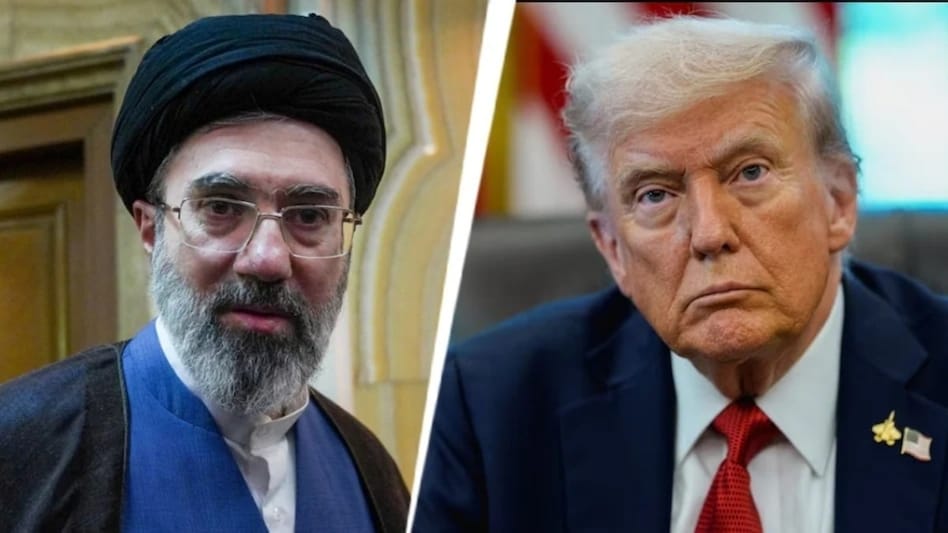
Iran has rejected the latest US peace proposal to end the war, describing it as tantamount to surrender, and US President Donald Trump has declared Tehran's response "totally unacceptable," deepening the impasse between the two countries as the 10-week conflict shows no sign of resolution.
The diplomatic exchange, which was routed through Pakistan, didn't go as per the plan. Prime Minister Shehbaz Sharif confirmed that Tehran had conveyed its position to Washington through Islamabad, and within hours, Trump took to Truth Social to reject it outright.
"I have just read the response from Iran's so-called 'Representatives.' I don't like it — TOTALLY UNACCEPTABLE!" he wrote on Truth Social, slamming the door on what had briefly appeared to be a diplomatic opening.
Iranian state television had already signalled the outcome, reporting that Iran had rejected the US proposal outright, describing it as equivalent to surrender and dismissing it as heavily one-sided.
What Iran wanted and what the US demanded
Iran's response centred on ending the conflict across the region, particularly in Lebanon, and ensuring safe passage through the Strait of Hormuz — though officials stopped short of explaining when or how the critical shipping lane could reopen. The reply came after the US proposed ending the fighting first, before tackling more divisive issues like Iran's nuclear programme.
For Tehran, that sequencing was unacceptable. For Washington, anything short of full compliance on the nuclear question was equally so.
Trump's uranium warning
Rather than leaving the door ajar, Trump escalated. In a television interview aired on Sunday, he said the US had completed "probably 70 percent" of its intended targets inside Iran and could move against the rest within two weeks. He framed Iran's military position as one of significant defeat, and issued a pointed warning about the enriched uranium stockpile that has become the central obstacle in negotiations.
"We'll get that at some point, whenever we want. We have it surveilled," Trump said on the syndicated programme Full Measure, adding: "I did a thing called Space Force, and they are watching. If somebody walked in, they can tell you his name, his address, the number of his badge. If anybody got near the place, we will know about it, and we'll blow them up."
The location of Iran's uranium stockpile remains uncertain. International reports suggest it may still be buried beneath nuclear facilities bombed by the US in June 2025. Tehran has not publicly confirmed where the material is held.
Iran is estimated to possess more than 400 kilograms of uranium enriched to 60% purity. Experts say uranium enriched to around 90% can potentially be used in nuclear weapons. Trump has demanded Iran move its entire stockpile out of the country and fully dismantle its enrichment programme. Tehran has rejected both demands, maintaining that enrichment is a sovereign right under international law.
Iran has rejected the latest US peace proposal to end the war, describing it as tantamount to surrender, and US President Donald Trump has declared Tehran's response "totally unacceptable," deepening the impasse between the two countries as the 10-week conflict shows no sign of resolution.
The diplomatic exchange, which was routed through Pakistan, didn't go as per the plan. Prime Minister Shehbaz Sharif confirmed that Tehran had conveyed its position to Washington through Islamabad, and within hours, Trump took to Truth Social to reject it outright.
"I have just read the response from Iran's so-called 'Representatives.' I don't like it — TOTALLY UNACCEPTABLE!" he wrote on Truth Social, slamming the door on what had briefly appeared to be a diplomatic opening.
Iranian state television had already signalled the outcome, reporting that Iran had rejected the US proposal outright, describing it as equivalent to surrender and dismissing it as heavily one-sided.
What Iran wanted and what the US demanded
Iran's response centred on ending the conflict across the region, particularly in Lebanon, and ensuring safe passage through the Strait of Hormuz — though officials stopped short of explaining when or how the critical shipping lane could reopen. The reply came after the US proposed ending the fighting first, before tackling more divisive issues like Iran's nuclear programme.
For Tehran, that sequencing was unacceptable. For Washington, anything short of full compliance on the nuclear question was equally so.
Trump's uranium warning
Rather than leaving the door ajar, Trump escalated. In a television interview aired on Sunday, he said the US had completed "probably 70 percent" of its intended targets inside Iran and could move against the rest within two weeks. He framed Iran's military position as one of significant defeat, and issued a pointed warning about the enriched uranium stockpile that has become the central obstacle in negotiations.
"We'll get that at some point, whenever we want. We have it surveilled," Trump said on the syndicated programme Full Measure, adding: "I did a thing called Space Force, and they are watching. If somebody walked in, they can tell you his name, his address, the number of his badge. If anybody got near the place, we will know about it, and we'll blow them up."
The location of Iran's uranium stockpile remains uncertain. International reports suggest it may still be buried beneath nuclear facilities bombed by the US in June 2025. Tehran has not publicly confirmed where the material is held.
Iran is estimated to possess more than 400 kilograms of uranium enriched to 60% purity. Experts say uranium enriched to around 90% can potentially be used in nuclear weapons. Trump has demanded Iran move its entire stockpile out of the country and fully dismantle its enrichment programme. Tehran has rejected both demands, maintaining that enrichment is a sovereign right under international law.