
'Trump's biggest foreign policy failure': Ian Bremmer on what the US-Iran deal is missing
No agreement on nukes, ballistic missiles, support for proxies - and one of the world's most brutal regimes remains in place and is getting paid off, Bremmer flagged
- Jun 15, 2026,
- Updated Jun 15, 2026 2:18 PM IST
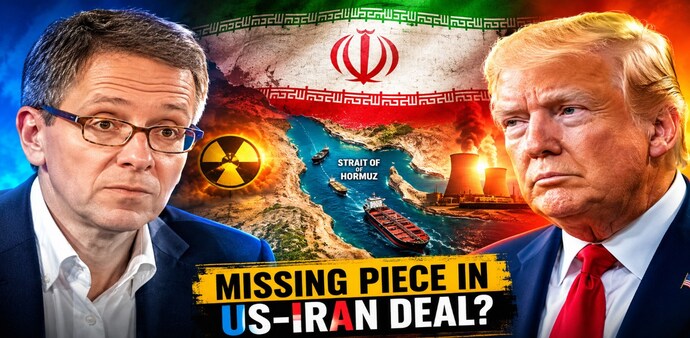
Political scientist and Eurasia Group founder Ian Bremmer on Monday criticised the agreement announced by US President Donald Trump with Iran, calling the conflict a "disaster" and describing it as the Trump administration's biggest foreign policy failure.
Reacting to the deal, which reportedly includes the termination of military operations across multiple fronts and the reopening of the Strait of Hormuz, Bremmer said the outcome was preferable to the alternatives but failed to address the core issues that triggered the crisis.
"The world needs the Strait of Hormuz reopened. Should have happened months ago, but today's outcome is the best option available," Bremmer wrote on X.
Don't Miss: First crack in Trump's Iran deal? Israeli minister says 'it does not bind us in any way'
He, however, argued that the broader outcome amounted to a setback for Washington.
"Having said that, the Iran war has been a disaster. No agreement on nukes, ballistic missiles, support for proxies…and one of the world's most brutal regimes remains in place…and is getting paid off," he said. "Biggest foreign policy failure of the Trump administration by a long margin."
Bremmer's criticism came as political opposition to the agreement surfaced in Israel, one of America's closest allies in the region.
Hours after Trump announced the deal, Israel's National Security Minister Itamar Ben Gvir publicly distanced his country from the agreement, declaring that it would not be bound by its terms.
"Trump's agreement does not bind us. Israel is not subject to the United States, and we are an independent and sovereign nation!" Ben Gvir said.
"Every time we succumbed to international pressure at the expense of Israel's security, we paid a blood price with interest. It was true in the Oslo Accords, it was true in the Lebanon agreement in 2006, and it was true in every period of containment in Gaza that exploded in our faces."
The minister added: "We emphasize: We love the USA and are grateful to President Trump. And yet, the State of Israel is not a banana republic."
He argued that Israel could not compromise on its security interests and warned against any arrangement that would limit Israeli military action against threats from Lebanon.
"We are not partners to this agreement that does not ensure our security, and it does not bind us in any way," he said, adding that Israel must insist on the dismantling of Hezbollah and retain the ability to respond militarily to attacks.
Former Israeli deputy prime minister Benny Gantz also criticised the emerging agreement, warning against any restrictions on Israel's military freedom of action.
"Under no circumstances - it is forbidden to agree to restrict Israel's freedom of action in Lebanon or to a withdrawal that endangers the residents of the north," Gantz said.
"The emerging agreement with Iran appears to be a strategic failure that will require Israel to engage in diplomatic, military, and legal struggles in the coming years."
Political scientist and Eurasia Group founder Ian Bremmer on Monday criticised the agreement announced by US President Donald Trump with Iran, calling the conflict a "disaster" and describing it as the Trump administration's biggest foreign policy failure.
Reacting to the deal, which reportedly includes the termination of military operations across multiple fronts and the reopening of the Strait of Hormuz, Bremmer said the outcome was preferable to the alternatives but failed to address the core issues that triggered the crisis.
"The world needs the Strait of Hormuz reopened. Should have happened months ago, but today's outcome is the best option available," Bremmer wrote on X.
Don't Miss: First crack in Trump's Iran deal? Israeli minister says 'it does not bind us in any way'
He, however, argued that the broader outcome amounted to a setback for Washington.
"Having said that, the Iran war has been a disaster. No agreement on nukes, ballistic missiles, support for proxies…and one of the world's most brutal regimes remains in place…and is getting paid off," he said. "Biggest foreign policy failure of the Trump administration by a long margin."
Bremmer's criticism came as political opposition to the agreement surfaced in Israel, one of America's closest allies in the region.
Hours after Trump announced the deal, Israel's National Security Minister Itamar Ben Gvir publicly distanced his country from the agreement, declaring that it would not be bound by its terms.
"Trump's agreement does not bind us. Israel is not subject to the United States, and we are an independent and sovereign nation!" Ben Gvir said.
"Every time we succumbed to international pressure at the expense of Israel's security, we paid a blood price with interest. It was true in the Oslo Accords, it was true in the Lebanon agreement in 2006, and it was true in every period of containment in Gaza that exploded in our faces."
The minister added: "We emphasize: We love the USA and are grateful to President Trump. And yet, the State of Israel is not a banana republic."
He argued that Israel could not compromise on its security interests and warned against any arrangement that would limit Israeli military action against threats from Lebanon.
"We are not partners to this agreement that does not ensure our security, and it does not bind us in any way," he said, adding that Israel must insist on the dismantling of Hezbollah and retain the ability to respond militarily to attacks.
Former Israeli deputy prime minister Benny Gantz also criticised the emerging agreement, warning against any restrictions on Israel's military freedom of action.
"Under no circumstances - it is forbidden to agree to restrict Israel's freedom of action in Lebanon or to a withdrawal that endangers the residents of the north," Gantz said.
"The emerging agreement with Iran appears to be a strategic failure that will require Israel to engage in diplomatic, military, and legal struggles in the coming years."