
Trump’s ‘biggest oil deal in history’: What the US gains from control of 65 billion barrels of Venezuela’s crude?
Trump’s ‘biggest oil deal in history’: What the US gains from control of 65 billion barrels of Venezuela’s crude?
The agreement comes as the US faces pressure over fuel supplies and energy prices amid the continuing war in Iran. The US Strategic Petroleum Reserve fell below 300 million barrels in early August, down by more than 100 million barrels from January 2026 levels.
Subhankar Paul
- Aug 29, 2026,
- Updated Aug 29, 2026 2:59 PM IST
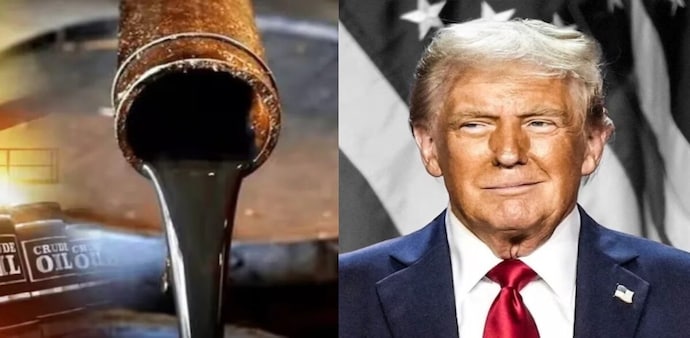
US President Donald Trump has unveiled what he calls the “biggest oil deal in world history” — an agreement that would give the United States majority control over more than 65 billion barrels of proven crude oil reserves in Venezuela.
The scale of the announcement is striking. But the bigger question is: how big is this deal in the global oil market, and what does ‘majority control’ actually mean?
Advertisement
According to Trump, the agreement gives US interests control over more than 65 billion barrels of Venezuela’s proven reserves through a partnership with private businesses. The administration has said the arrangement could bring nearly $100 billion in private investment into Venezuela’s battered oil industry.
MUST READ | Venezuela’s oil exports hit 7-yr high: India among top buyers as shipments surge
The precise structure of the agreement, however, has not yet been fully disclosed. That distinction matters because control of oil reserves is not the same as outright ownership of 65 billion barrels.
65 billion barrels: How big is it?
Market commentator The Kobeissi Letter highlighted the enormous scale of the number in a post on X (formally twitter).
Advertisement
The US currently has around 46 billion barrels of proven crude oil reserves. If the 65 billion barrels covered by the Venezuelan agreement are added purely for comparison, the figure rises to around 111 billion barrels.
That would put the combined figure roughly on par with some of the world's biggest national oil reserves. The United Arab Emirates has around 113 billion barrels of proven reserves, while Kuwait has about 102 billion barrels.
Kobeissi estimates that 111 billion barrels would amount to roughly 7.1% of global proven oil reserves.
Advertisement
But there is an important caveat: the calculation assumes the United States effectively controls the entire 65-billion-barrel pool. Trump has described the arrangement as majority control, meaning the actual economic ownership and access to those reserves could be different.
Venezuela has the world's biggest oil reserves
The reason the agreement is so significant is Venezuela's extraordinary resource base. Venezuela is estimated to have approximately 303 billion barrels of proven crude oil reserves, the largest in the world and equivalent to roughly 17% of global reserves.
DON'T MISS | Venezuela’s $17 trillion oil reserves: How US control could reshape global power map
The 65 billion barrels covered by the new arrangement therefore represent roughly one-fifth of Venezuela's total proven reserves.
Most of Venezuela's crude is concentrated in the Orinoco Belt and consists of extra-heavy oil. Extracting and processing it requires specialised technology, significant investment and infrastructure — factors that have constrained Venezuelan production for years.
That means the deal is not simply about gaining access to a giant underground pool of crude. Turning those reserves into actual barrels flowing into global markets could take years and require substantial investment.
Why does Washington want Venezuelan oil now?
Advertisement
Timing is crucial. The agreement comes as the US faces pressure over fuel supplies and energy prices amid the continuing war in Iran. Washington is also seeking to rebuild its energy buffer after a substantial drawdown in the Strategic Petroleum Reserve.
The US Strategic Petroleum Reserve fell below 300 million barrels in early August, down by more than 100 million barrels from January 2026 levels.
For Washington, Venezuela represents both an enormous resource opportunity and a potential source of additional crude supply closer to the US market.
DO CHECKOUT | 300 billion barrels: Venezuela has more oil than Saudi Arabia. Why did it collapse?
Despite possessing the world's largest proven crude reserves, Venezuela has historically accounted for only a small fraction of global oil production.
So while the deal dramatically changes the strategic picture, it does not automatically translate into 65 billion additional barrels entering the market.
A geopolitical oil deal as much as an energy deal
The agreement also marks a dramatic shift in US-Venezuela relations. The Trump administration has spent months increasing pressure on Caracas while seeking greater oversight of Venezuela's oil exports.
The latest agreement now appears to move that relationship from confrontation towards direct US involvement in the country's energy industry.
Advertisement
The geopolitical backdrop is extraordinary. Nine months ago, US forces conducted an operation in Venezuela under Trump's orders that resulted in former Venezuelan President Nicolás Maduro and his wife being taken to the United States to face narcoterrorism and drug-trafficking charges.
The subsequent political transition has opened the door to a much deeper American role in Venezuela's economy and energy sector.
For Venezuela, the attraction is equally clear: investment, technology and access to capital could help revive an oil industry that has struggled for years.
If implemented successfully, the agreement could reshape the Western Hemisphere's energy map. The US would gain a much deeper strategic foothold in the world's largest proven crude oil reserve base, while American companies could gain access to a potentially massive long-term resource opportunity.
US President Donald Trump has unveiled what he calls the “biggest oil deal in world history” — an agreement that would give the United States majority control over more than 65 billion barrels of proven crude oil reserves in Venezuela.
The scale of the announcement is striking. But the bigger question is: how big is this deal in the global oil market, and what does ‘majority control’ actually mean?
Advertisement
According to Trump, the agreement gives US interests control over more than 65 billion barrels of Venezuela’s proven reserves through a partnership with private businesses. The administration has said the arrangement could bring nearly $100 billion in private investment into Venezuela’s battered oil industry.
MUST READ | Venezuela’s oil exports hit 7-yr high: India among top buyers as shipments surge
The precise structure of the agreement, however, has not yet been fully disclosed. That distinction matters because control of oil reserves is not the same as outright ownership of 65 billion barrels.
65 billion barrels: How big is it?
Market commentator The Kobeissi Letter highlighted the enormous scale of the number in a post on X (formally twitter).
Advertisement
The US currently has around 46 billion barrels of proven crude oil reserves. If the 65 billion barrels covered by the Venezuelan agreement are added purely for comparison, the figure rises to around 111 billion barrels.
That would put the combined figure roughly on par with some of the world's biggest national oil reserves. The United Arab Emirates has around 113 billion barrels of proven reserves, while Kuwait has about 102 billion barrels.
Kobeissi estimates that 111 billion barrels would amount to roughly 7.1% of global proven oil reserves.
Advertisement
But there is an important caveat: the calculation assumes the United States effectively controls the entire 65-billion-barrel pool. Trump has described the arrangement as majority control, meaning the actual economic ownership and access to those reserves could be different.
Venezuela has the world's biggest oil reserves
The reason the agreement is so significant is Venezuela's extraordinary resource base. Venezuela is estimated to have approximately 303 billion barrels of proven crude oil reserves, the largest in the world and equivalent to roughly 17% of global reserves.
DON'T MISS | Venezuela’s $17 trillion oil reserves: How US control could reshape global power map
The 65 billion barrels covered by the new arrangement therefore represent roughly one-fifth of Venezuela's total proven reserves.
Most of Venezuela's crude is concentrated in the Orinoco Belt and consists of extra-heavy oil. Extracting and processing it requires specialised technology, significant investment and infrastructure — factors that have constrained Venezuelan production for years.
That means the deal is not simply about gaining access to a giant underground pool of crude. Turning those reserves into actual barrels flowing into global markets could take years and require substantial investment.
Why does Washington want Venezuelan oil now?
Advertisement
Timing is crucial. The agreement comes as the US faces pressure over fuel supplies and energy prices amid the continuing war in Iran. Washington is also seeking to rebuild its energy buffer after a substantial drawdown in the Strategic Petroleum Reserve.
The US Strategic Petroleum Reserve fell below 300 million barrels in early August, down by more than 100 million barrels from January 2026 levels.
For Washington, Venezuela represents both an enormous resource opportunity and a potential source of additional crude supply closer to the US market.
DO CHECKOUT | 300 billion barrels: Venezuela has more oil than Saudi Arabia. Why did it collapse?
Despite possessing the world's largest proven crude reserves, Venezuela has historically accounted for only a small fraction of global oil production.
So while the deal dramatically changes the strategic picture, it does not automatically translate into 65 billion additional barrels entering the market.
A geopolitical oil deal as much as an energy deal
The agreement also marks a dramatic shift in US-Venezuela relations. The Trump administration has spent months increasing pressure on Caracas while seeking greater oversight of Venezuela's oil exports.
The latest agreement now appears to move that relationship from confrontation towards direct US involvement in the country's energy industry.
Advertisement
The geopolitical backdrop is extraordinary. Nine months ago, US forces conducted an operation in Venezuela under Trump's orders that resulted in former Venezuelan President Nicolás Maduro and his wife being taken to the United States to face narcoterrorism and drug-trafficking charges.
The subsequent political transition has opened the door to a much deeper American role in Venezuela's economy and energy sector.
For Venezuela, the attraction is equally clear: investment, technology and access to capital could help revive an oil industry that has struggled for years.
If implemented successfully, the agreement could reshape the Western Hemisphere's energy map. The US would gain a much deeper strategic foothold in the world's largest proven crude oil reserve base, while American companies could gain access to a potentially massive long-term resource opportunity.
Read more!