

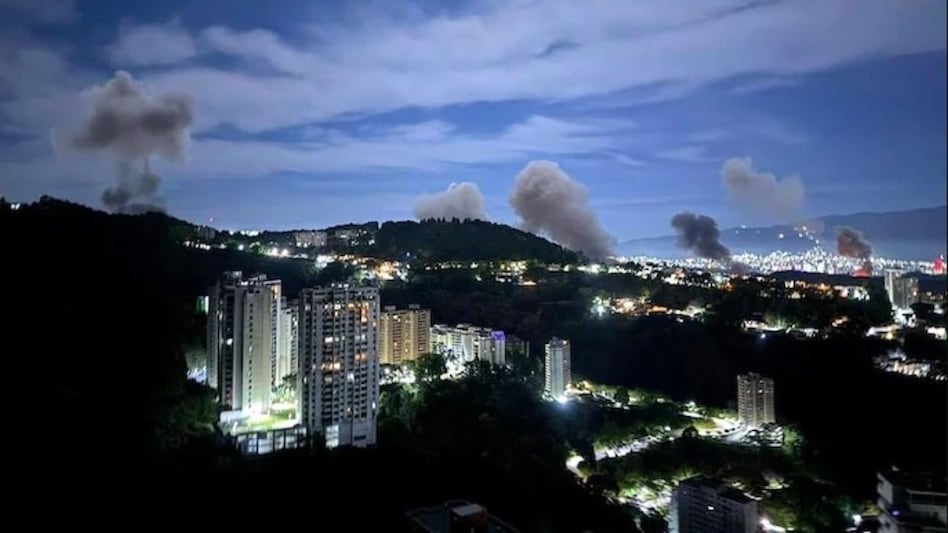
 With US capital, technology, and logistics, Venezuelan oil could be rapidly integrated into global supply systems on Washington’s terms.
The recent US operation in Venezuela has pushed the country from a long-running regional crisis into the centre of global strategic calculations. Beyond politics and personalities, the core driver is Venezuela’s vast concentration of energy, minerals, metals, and freshwater — resources that can reshape global supply chains and power balances if brought under US influence.
This is why Venezuela is increasingly viewed not just as a foreign policy challenge, but as a geopolitical prize.
 2026-27 supply season: Government sets sugar diversion for ethanol to zero. Here's why
 ICICI Bank Q2 results: Net profit jumps 20% to Rs 14,843 crore; NIM contracts
 Leadership transition at HDFC Bank: Deputy MD Kaizad Bharucha to exit by December 31
 Ethanol industry body seeks higher maize, rice ethanol prices; flags viability concerns
 10 IT stocks add Rs 2,75,000 crore in m-cap in best week in 18 years; here's why
 Gold Investment Options: ETFs, EGR And MCX Explained | How To Invest In Gold Beyond Physical Buying
 Redmi Note 17 Pro Max Review , Vivo V80, Vivo Vision | Tech Gear EP 20 | Business Today
 Mahindra XUV 3XO ZNG Review: Turbo Power Meets CNG Mileage
 Gold, Silver Prices: Limited Upside Ahead Of Diwali? Expert Sees Gold At ₹1.5 Lakh, Silver At ₹2.3
 Expert Names REITs And INVITs To Watch For Quarterly Payouts And Potential Investment Returns
 ICICI Bank Q2 results: Net profit jumps 20% to Rs 14,843 crore; NIM contracts
 IDBI Bank Q2 net profit falls 39% to Rs 2,205 crore on year-ago's one-off gain
  Axis Bank Q2 net profit surges 38% to Rs 7,003 crore; NIM at 3.36%; key details
 HDFC Bank Q2 results: Net profit rises 4.7% to Rs 19,510 crore; key highlights10 IT stocks add Rs 2,75,000 crore in m-cap in best week in 18 years; here's why
 CJP protests: Abhijit Dipke granted conditional bail, to be released after signing bond2026-27 supply season: Government sets sugar diversion for ethanol to zero. Here's whyEthanol industry body seeks higher maize, rice ethanol prices; flags viability concernsLeadership transition at HDFC Bank: Deputy MD Kaizad Bharucha to exit by December 31
 Who is Kavya Maran? Meet the Sunrisers Hyderabad CEO set to marry music composer Anirudh












