
UAE to exit OPEC, OPEC+ alliance from May; how this strategic shift can change global oil dynamics
Calling it a sovereign decision, the UAE’s Energy Minister said the exit is aligned with the country’s broader economic vision and evolving role in global energy markets.
- Apr 28, 2026,
- Updated Apr 28, 2026 7:31 PM IST
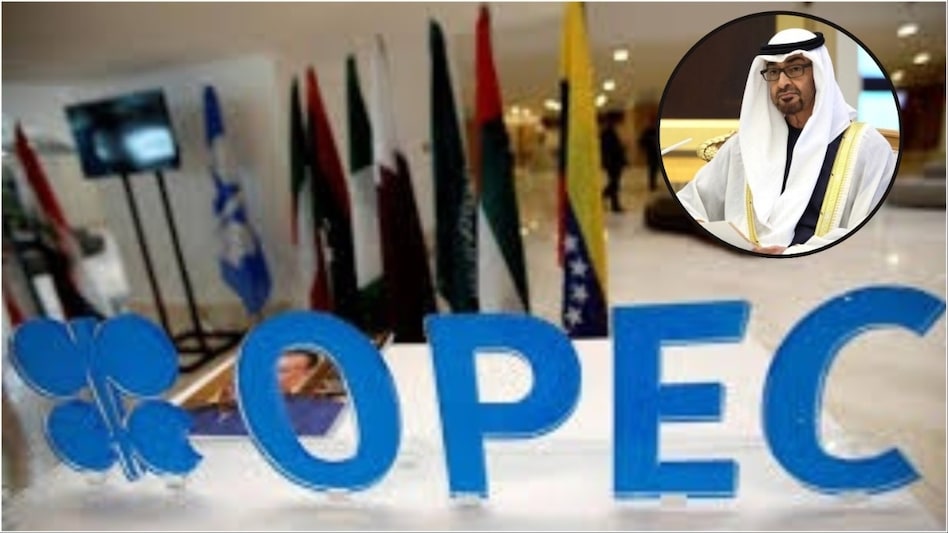
The United Arab Emirates will exit the OPEC and OPEC+ alliance from May 1, marking a significant shift in global energy geopolitics. The move follows a comprehensive strategic review of the country’s energy and petroleum policies and signals a long-term repositioning rather than a short-term response to market volatility.
Calling it a sovereign decision, the UAE’s Energy Minister said the exit is aligned with the country’s broader economic vision and evolving role in global energy markets. The official ministry statement also underscored that the decision reflects a “balanced and forward-looking approach,” focused on flexibility, market stability, and long-term demand trends.
Strategic reset
The UAE, a member of OPEC since 1967, has historically played a key role in supporting global oil market stability. However, shifting dynamics, including supply disruptions in the Arabian Gulf and the Strait of Hormuz, as well as changing global demand patterns, have prompted a reassessment of its strategy.
The government emphasised that its exit does not signal a retreat from global cooperation. Instead, it aims to enhance its ability to respond to market conditions while continuing to support a stable and well-functioning energy system.
Greater flexibility, higher production ambitions A key driver behind the move is the need for greater flexibility in production and investment decisions. The UAE now plans to gradually ramp up its oil production capacity to meet rising global demand for crude oil, petrochemicals, and natural gas.
The strategy aligns with the transformation of Abu Dhabi National Oil Company (ADNOC) into a global energy player with diversified operations across geographies and segments. By stepping outside OPEC+ production constraints, the UAE gains more autonomy to expand output, attract investments, and scale its presence across the hydrocarbon value chain.
Officials indicated that additional supply would be brought to market in a “gradual and measured manner,” ensuring alignment with demand conditions.
Geopolitical undertones
While the UAE has not explicitly linked its exit to recent regional tensions involving Iran, the timing has drawn attention. Reports suggest that broader geopolitical considerations and shifting alliances may have influenced the decision.
Notably, the UAE did not consult other OPEC members, including Saudi Arabia, before announcing the move—highlighting a more independent energy policy stance.
Analysts believe the departure of OPEC’s third-largest producer after Saudi Arabia and Iraq could challenge the group’s cohesion. OPEC+ has managed internal differences in recent years, but this development may signal growing divergence among key producers.
Implications for global oil markets
The exit comes at a time when oil markets are already navigating heightened volatility due to geopolitical tensions and supply uncertainties. Increased production flexibility from the UAE could introduce additional supply over time, potentially influencing price dynamics.
At the same time, the UAE has reiterated its commitment to global energy stability, stating it will continue to engage with international partners and support balanced markets.
In effect, the UAE’s exit marks a structural shift in global energy strategy—one that prioritises flexibility, investment, and long-term growth. Its impact is likely to be closely watched, as it could reshape production strategies within OPEC+ and alter the broader dynamics of global oil markets in the months ahead.
The United Arab Emirates will exit the OPEC and OPEC+ alliance from May 1, marking a significant shift in global energy geopolitics. The move follows a comprehensive strategic review of the country’s energy and petroleum policies and signals a long-term repositioning rather than a short-term response to market volatility.
Calling it a sovereign decision, the UAE’s Energy Minister said the exit is aligned with the country’s broader economic vision and evolving role in global energy markets. The official ministry statement also underscored that the decision reflects a “balanced and forward-looking approach,” focused on flexibility, market stability, and long-term demand trends.
Strategic reset
The UAE, a member of OPEC since 1967, has historically played a key role in supporting global oil market stability. However, shifting dynamics, including supply disruptions in the Arabian Gulf and the Strait of Hormuz, as well as changing global demand patterns, have prompted a reassessment of its strategy.
The government emphasised that its exit does not signal a retreat from global cooperation. Instead, it aims to enhance its ability to respond to market conditions while continuing to support a stable and well-functioning energy system.
Greater flexibility, higher production ambitions A key driver behind the move is the need for greater flexibility in production and investment decisions. The UAE now plans to gradually ramp up its oil production capacity to meet rising global demand for crude oil, petrochemicals, and natural gas.
The strategy aligns with the transformation of Abu Dhabi National Oil Company (ADNOC) into a global energy player with diversified operations across geographies and segments. By stepping outside OPEC+ production constraints, the UAE gains more autonomy to expand output, attract investments, and scale its presence across the hydrocarbon value chain.
Officials indicated that additional supply would be brought to market in a “gradual and measured manner,” ensuring alignment with demand conditions.
Geopolitical undertones
While the UAE has not explicitly linked its exit to recent regional tensions involving Iran, the timing has drawn attention. Reports suggest that broader geopolitical considerations and shifting alliances may have influenced the decision.
Notably, the UAE did not consult other OPEC members, including Saudi Arabia, before announcing the move—highlighting a more independent energy policy stance.
Analysts believe the departure of OPEC’s third-largest producer after Saudi Arabia and Iraq could challenge the group’s cohesion. OPEC+ has managed internal differences in recent years, but this development may signal growing divergence among key producers.
Implications for global oil markets
The exit comes at a time when oil markets are already navigating heightened volatility due to geopolitical tensions and supply uncertainties. Increased production flexibility from the UAE could introduce additional supply over time, potentially influencing price dynamics.
At the same time, the UAE has reiterated its commitment to global energy stability, stating it will continue to engage with international partners and support balanced markets.
In effect, the UAE’s exit marks a structural shift in global energy strategy—one that prioritises flexibility, investment, and long-term growth. Its impact is likely to be closely watched, as it could reshape production strategies within OPEC+ and alter the broader dynamics of global oil markets in the months ahead.