
UN raises alarm over food, energy price hikes from the Strait of Hormuz disruptions
UNCTAD warned that such a disruption would not only affect energy markets but could also cause widespread food price increases and intensify cost-of-living pressures
- Mar 11, 2026,
- Updated Mar 11, 2026 10:18 AM IST
The United Nations has raised alarms over the significant risks to global trade and development if the Strait of Hormuz were to be closed amid the escalating West Asia conflict. In its latest report, the UN Conference on Trade and Development (UNCTAD) warned that such a disruption would not only affect energy markets but could also cause widespread food price increases and intensify cost-of-living pressures, particularly for vulnerable populations.
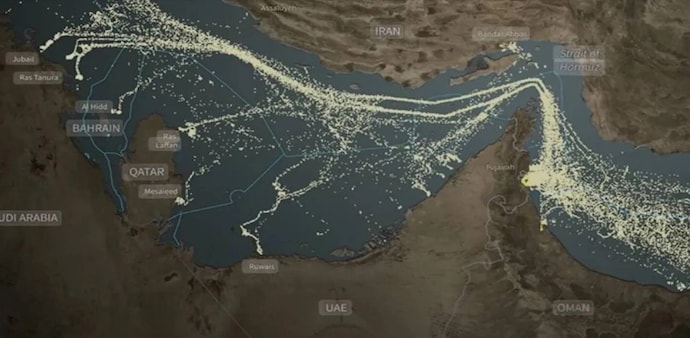
The Strait of Hormuz, a narrow passage that carries about a quarter of global seaborne oil trade, is one of the world’s most critical maritime chokepoints. The ongoing military escalation between the US and Israel, and Iran's retaliatory actions, have already disrupted shipping flows, triggering concerns over a potential economic fallout.
Ripple effects on global supply chains
According to the UNCTAD report, disruptions in the Strait of Hormuz would trigger ripple effects that could extend far beyond the Middle East, impacting global supply chains and commodity markets. The UN emphasised that rising energy and transportation costs would likely push food prices higher, leading to greater economic strain, especially in countries already struggling with high debt burdens.
“The resulting ripple effects go far beyond the region, affecting energy markets, maritime transport, and global supply chains,” the report noted. Stephane Dujarric, spokesperson for the UN Secretary-General, underlined the risks, stating that the ongoing tensions in the region could have profound effects on global development.
Vulnerability of maritime chokepoints
The report also highlighted the vulnerability of crucial maritime routes to geopolitical tensions, especially given the strategic importance of the Strait of Hormuz. "Disruptions in the Strait underscore the vulnerability of critical maritime chokepoints and their potential to transmit shocks across global supply chains," said the UNCTAD report.
The UN called for de-escalation and international cooperation to safeguard maritime transport, ports, and civilian infrastructure, stressing the importance of freedom of navigation in maintaining secure trade corridors. “Economic impacts, both globally and for the region, will depend on the duration, intensity, and geographic scope of the tensions,” the UN report added.
Energy and food cost implications
The data shared by UNCTAD revealed the extent of the disruption: approximately 20 million barrels of oil per day passed through the Strait of Hormuz in 2024, making up about 25% of global seaborne oil trade. Asia is particularly vulnerable, with 84% of crude oil from the strait destined for the region, alongside substantial quantities of liquefied natural gas (LNG) and fertilisers.
Since the escalation on February 28, ship traffic through the Strait has plummeted by 97%, adding further uncertainty to energy supplies, particularly for Asia, which relies heavily on imports passing through this route.
(With inputs from PTI)
The United Nations has raised alarms over the significant risks to global trade and development if the Strait of Hormuz were to be closed amid the escalating West Asia conflict. In its latest report, the UN Conference on Trade and Development (UNCTAD) warned that such a disruption would not only affect energy markets but could also cause widespread food price increases and intensify cost-of-living pressures, particularly for vulnerable populations.
The Strait of Hormuz, a narrow passage that carries about a quarter of global seaborne oil trade, is one of the world’s most critical maritime chokepoints. The ongoing military escalation between the US and Israel, and Iran's retaliatory actions, have already disrupted shipping flows, triggering concerns over a potential economic fallout.
Ripple effects on global supply chains
According to the UNCTAD report, disruptions in the Strait of Hormuz would trigger ripple effects that could extend far beyond the Middle East, impacting global supply chains and commodity markets. The UN emphasised that rising energy and transportation costs would likely push food prices higher, leading to greater economic strain, especially in countries already struggling with high debt burdens.
“The resulting ripple effects go far beyond the region, affecting energy markets, maritime transport, and global supply chains,” the report noted. Stephane Dujarric, spokesperson for the UN Secretary-General, underlined the risks, stating that the ongoing tensions in the region could have profound effects on global development.
Vulnerability of maritime chokepoints
The report also highlighted the vulnerability of crucial maritime routes to geopolitical tensions, especially given the strategic importance of the Strait of Hormuz. "Disruptions in the Strait underscore the vulnerability of critical maritime chokepoints and their potential to transmit shocks across global supply chains," said the UNCTAD report.
The UN called for de-escalation and international cooperation to safeguard maritime transport, ports, and civilian infrastructure, stressing the importance of freedom of navigation in maintaining secure trade corridors. “Economic impacts, both globally and for the region, will depend on the duration, intensity, and geographic scope of the tensions,” the UN report added.
Energy and food cost implications
The data shared by UNCTAD revealed the extent of the disruption: approximately 20 million barrels of oil per day passed through the Strait of Hormuz in 2024, making up about 25% of global seaborne oil trade. Asia is particularly vulnerable, with 84% of crude oil from the strait destined for the region, alongside substantial quantities of liquefied natural gas (LNG) and fertilisers.
Since the escalation on February 28, ship traffic through the Strait has plummeted by 97%, adding further uncertainty to energy supplies, particularly for Asia, which relies heavily on imports passing through this route.
(With inputs from PTI)