
'Undeclared martial law': Controversial law triggers mass protests in Pakistan, thousands of Imran Khan supporters arrested
What gave the government new powers to act decisively against the PTI protestors was the recent passage of a controversial law granting Islamabad's city administration greater authority to regulate and even ban public assemblies.
- Sep 11, 2024,
- Updated Sep 11, 2024 3:20 PM IST
Pakistan is in the midst of a deepening political crisis, with widespread allegations that an undeclared martial law has effectively been imposed. The military-backed government of Prime Minister Shahbaz Sharif is facing accusations of undermining democratic norms by cracking down on the opposition, primarily targeting the party of former Prime Minister Imran Khan, Pakistan Tehreek-e-Insaf (PTI). Critics say that the government bought time by engaging with PTI in a series of talks, only to later enact legislation that facilitated the arrest and detention of opposition leaders.
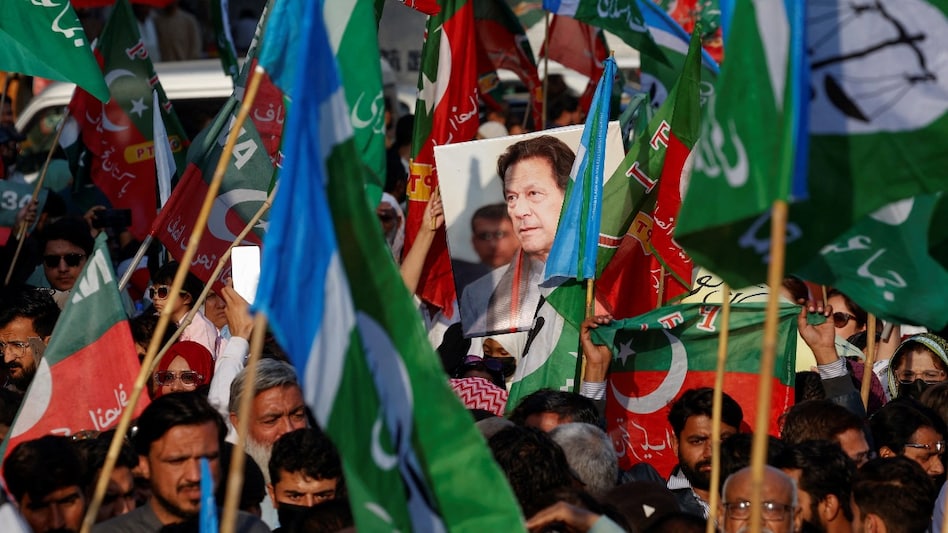
The tipping point came on the very day a massive PTI rally took place in Islamabad, with tens of thousands of Khan’s supporters pushing past police barricades and checkpoints to demand his release from prison. Imran Khan, a former cricket star revered by his followers as “Kaptaan,” has been jailed on what many see as politically motivated charges. The Islamabad rally on September 8 drew a sea of protesters calling for his immediate release.
The government’s response was swift and uncompromising. Dozens of PTI leaders and supporters were detained, and the crackdown was widely seen as orchestrated by Pakistan’s powerful military establishment. This led PTI to claim that an “undeclared martial law” had been imposed, echoing Pakistan’s troubled history of military rule, which has punctuated the country's political landscape for decades.
What gave the government new powers to act decisively against the PTI protestors was the recent passage of a controversial law granting Islamabad's city administration greater authority to regulate and even ban public assemblies. This law, which received presidential assent on the same day as the Islamabad rally, has drawn sharp criticism for curtailing the democratic right to peaceful protest. PTI leaders argue that the new legislation was designed to silence dissent and prevent large-scale mobilizations in support of Khan.
By invoking the specter of “martial law,” PTI is pointing to a broader history of military involvement in Pakistan’s politics. While this current crisis may not involve a formal takeover by the army, the party argues that the military's influence over the Shahbaz Sharif-led government, in alliance with the Pakistan People’s Party, has led to the suppression of opposition voices. Imran Khan’s imprisonment, combined with the crackdown on PTI supporters, suggests a growing authoritarianism in the country that is deeply unsettling for Pakistan’s already fragile democracy.
Imran Khan’s arrest has become the focal point of Pakistan’s current political turmoil, marking a critical moment in the country’s contentious power struggle. The former Prime Minister, once seen as a populist leader capable of challenging the political dynasties of Pakistan, was detained under controversial circumstances, igniting protests and fueling claims of political vendettas.
Khan’s legal troubles began earlier this year, when a series of corruption charges were leveled against him. These charges, largely seen by his supporters as part of a coordinated effort to sideline him from politics, culminated in his arrest in August 2023. Khan was convicted in the Toshakhana case—a scandal involving the sale of state gifts for personal profit during his tenure as Prime Minister. While Khan has vehemently denied the charges, calling them politically motivated, his conviction resulted in a three-year prison sentence and his disqualification from holding public office.
The arrest sparked immediate outrage among Khan’s followers, particularly within his party, Pakistan Tehreek-e-Insaf (PTI). They view his imprisonment as a blatant attempt to prevent him from contesting future elections. For months prior to his arrest, Khan had been a vocal critic of the military establishment, accusing them of orchestrating a campaign to weaken his political movement. His escalating tensions with the military—traditionally the most powerful institution in Pakistan—had placed him in direct conflict with the country's deep state, which many believe played a key role in his ouster from power in April 2022 via a no-confidence vote.
The timing of Khan’s arrest was particularly contentious, as it came amid widespread political uncertainty and deteriorating economic conditions in Pakistan. His removal from office had not resolved the economic crisis, with inflation soaring and the government facing difficulties in securing an IMF bailout. Against this backdrop, Khan’s PTI party remained highly popular, drawing large crowds at rallies and maintaining a strong presence on social media.
Following his arrest, the streets of Islamabad and other major cities were engulfed by protests, as tens of thousands of PTI supporters demonstrated, demanding his immediate release. The scale of the unrest led to a heavy-handed response from the government, with dozens of PTI leaders and activists detained. The military's involvement in this crackdown further fueled suspicions that Khan’s arrest was part of a broader scheme to suppress opposition and reassert military dominance over civilian politics.
Imran Khan’s fall from grace has been both swift and dramatic. After winning the 2018 general elections on a platform of anti-corruption and promises of a ‘Naya Pakistan’ (New Pakistan), his tenure as Prime Minister was marked by an uneasy alliance with the military. However, by 2021, cracks in the relationship began to surface, particularly over Khan’s handling of foreign policy and his decision to push back against the military’s attempts to assert control over key appointments. His ouster through the no-confidence vote in 2022 was the culmination of this fraught relationship, and his arrest in 2023 marked the continuation of this political power struggle.
Pakistan is in the midst of a deepening political crisis, with widespread allegations that an undeclared martial law has effectively been imposed. The military-backed government of Prime Minister Shahbaz Sharif is facing accusations of undermining democratic norms by cracking down on the opposition, primarily targeting the party of former Prime Minister Imran Khan, Pakistan Tehreek-e-Insaf (PTI). Critics say that the government bought time by engaging with PTI in a series of talks, only to later enact legislation that facilitated the arrest and detention of opposition leaders.
The tipping point came on the very day a massive PTI rally took place in Islamabad, with tens of thousands of Khan’s supporters pushing past police barricades and checkpoints to demand his release from prison. Imran Khan, a former cricket star revered by his followers as “Kaptaan,” has been jailed on what many see as politically motivated charges. The Islamabad rally on September 8 drew a sea of protesters calling for his immediate release.
The government’s response was swift and uncompromising. Dozens of PTI leaders and supporters were detained, and the crackdown was widely seen as orchestrated by Pakistan’s powerful military establishment. This led PTI to claim that an “undeclared martial law” had been imposed, echoing Pakistan’s troubled history of military rule, which has punctuated the country's political landscape for decades.
What gave the government new powers to act decisively against the PTI protestors was the recent passage of a controversial law granting Islamabad's city administration greater authority to regulate and even ban public assemblies. This law, which received presidential assent on the same day as the Islamabad rally, has drawn sharp criticism for curtailing the democratic right to peaceful protest. PTI leaders argue that the new legislation was designed to silence dissent and prevent large-scale mobilizations in support of Khan.
By invoking the specter of “martial law,” PTI is pointing to a broader history of military involvement in Pakistan’s politics. While this current crisis may not involve a formal takeover by the army, the party argues that the military's influence over the Shahbaz Sharif-led government, in alliance with the Pakistan People’s Party, has led to the suppression of opposition voices. Imran Khan’s imprisonment, combined with the crackdown on PTI supporters, suggests a growing authoritarianism in the country that is deeply unsettling for Pakistan’s already fragile democracy.
Imran Khan’s arrest has become the focal point of Pakistan’s current political turmoil, marking a critical moment in the country’s contentious power struggle. The former Prime Minister, once seen as a populist leader capable of challenging the political dynasties of Pakistan, was detained under controversial circumstances, igniting protests and fueling claims of political vendettas.
Khan’s legal troubles began earlier this year, when a series of corruption charges were leveled against him. These charges, largely seen by his supporters as part of a coordinated effort to sideline him from politics, culminated in his arrest in August 2023. Khan was convicted in the Toshakhana case—a scandal involving the sale of state gifts for personal profit during his tenure as Prime Minister. While Khan has vehemently denied the charges, calling them politically motivated, his conviction resulted in a three-year prison sentence and his disqualification from holding public office.
The arrest sparked immediate outrage among Khan’s followers, particularly within his party, Pakistan Tehreek-e-Insaf (PTI). They view his imprisonment as a blatant attempt to prevent him from contesting future elections. For months prior to his arrest, Khan had been a vocal critic of the military establishment, accusing them of orchestrating a campaign to weaken his political movement. His escalating tensions with the military—traditionally the most powerful institution in Pakistan—had placed him in direct conflict with the country's deep state, which many believe played a key role in his ouster from power in April 2022 via a no-confidence vote.
The timing of Khan’s arrest was particularly contentious, as it came amid widespread political uncertainty and deteriorating economic conditions in Pakistan. His removal from office had not resolved the economic crisis, with inflation soaring and the government facing difficulties in securing an IMF bailout. Against this backdrop, Khan’s PTI party remained highly popular, drawing large crowds at rallies and maintaining a strong presence on social media.
Following his arrest, the streets of Islamabad and other major cities were engulfed by protests, as tens of thousands of PTI supporters demonstrated, demanding his immediate release. The scale of the unrest led to a heavy-handed response from the government, with dozens of PTI leaders and activists detained. The military's involvement in this crackdown further fueled suspicions that Khan’s arrest was part of a broader scheme to suppress opposition and reassert military dominance over civilian politics.
Imran Khan’s fall from grace has been both swift and dramatic. After winning the 2018 general elections on a platform of anti-corruption and promises of a ‘Naya Pakistan’ (New Pakistan), his tenure as Prime Minister was marked by an uneasy alliance with the military. However, by 2021, cracks in the relationship began to surface, particularly over Khan’s handling of foreign policy and his decision to push back against the military’s attempts to assert control over key appointments. His ouster through the no-confidence vote in 2022 was the culmination of this fraught relationship, and his arrest in 2023 marked the continuation of this political power struggle.