
US has now spent a figure equal to NASA’s entire budget for the year on the Iran war
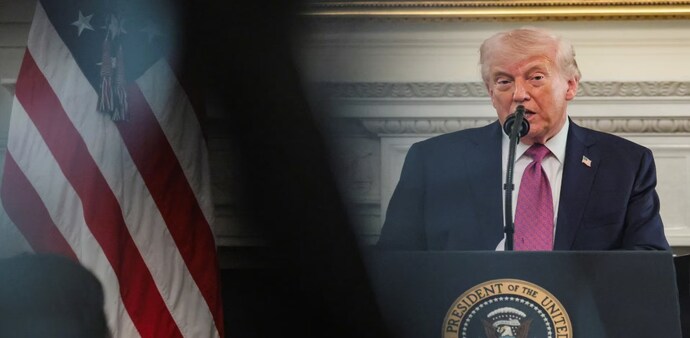
The disclosure came as the Iran war has become a political issue ahead of the US midterm elections, with President Donald Trump’s Republicans facing a difficult fight to hold their House majority.
- Apr 30, 2026,
- Updated Apr 30, 2026 8:17 AM IST
US-Iran war: The United States has now spent an amount that is equal to NASA’s entire budget for this year in the Iran war. Most of that money has gone towards munitions.
According to a report in Reuters that cited a senior Pentagon official, the US has spent $25 billion on the war in Iran so far. Jules Hurst, who is performing the duties of the comptroller, gave the first official estimate of the military cost of the conflict to the House Armed Services Committee.
However, it is unclear how the Pentagon arrived at the $25 billion estimate, given that a source told Reuters last month that the Trump administration had estimated the first six days of the war had cost the United States at least $11.3 billion.
DON'T MISS | Iran is in a state of collapse, wants us to open Strait of Hormuz: Donald Trump
Hurst did not explain what was included in the $25 billion estimate or whether it covered the projected cost of rebuilding and repairing base infrastructure in the Middle East damaged in the conflict. Rep. Adam Smith, the top Democrat on the House Armed Services Committee, told Hurst: “I’m glad you answered that question. Because we’ve been asking for a hell of a long time, and no one’s given us the number.”
The disclosure came as the Iran war has become a political issue ahead of the US midterm elections, with President Donald Trump’s Republicans facing a difficult fight to hold their House majority. Democrats have sought to connect the unpopular conflict with affordability concerns as price rises weigh on voters, while Trump’s approval ratings have fallen since the US and Israel launched the war against Iran on February 28.
Defence Secretary Pete Hegseth defended the cost before lawmakers, saying it was justified by the US goal of ensuring Iran does not obtain a nuclear weapon. “What would you pay to ensure Iran does not get a nuclear bomb? What would you pay?” Hegseth asked.
MUST READ | Trump not happy with Iran’s proposal to end the war but Tehran stands its ground
Hegseth, appearing before Congress for the first time since the war began, also defended the conflict more broadly in fiery remarks. Democrats pressed him on what they described as an open-ended war, with Rep. John Garamendi of California calling it a “quagmire” and a “political and economic disaster at every level”. Hegseth responded angrily, saying: “You call it a quagmire, handing propaganda to our enemies? Shame on you for that statement,” and criticised “reckless, feckless, and defeatist” Congressional Democrats. He added: “Don’t say: ‘I support the troops on one hand, and then a two-month mission is a quagmire’...Who are you cheering for here? Who are you pulling for?”
US-Iran war: The United States has now spent an amount that is equal to NASA’s entire budget for this year in the Iran war. Most of that money has gone towards munitions.
According to a report in Reuters that cited a senior Pentagon official, the US has spent $25 billion on the war in Iran so far. Jules Hurst, who is performing the duties of the comptroller, gave the first official estimate of the military cost of the conflict to the House Armed Services Committee.
However, it is unclear how the Pentagon arrived at the $25 billion estimate, given that a source told Reuters last month that the Trump administration had estimated the first six days of the war had cost the United States at least $11.3 billion.
DON'T MISS | Iran is in a state of collapse, wants us to open Strait of Hormuz: Donald Trump
Hurst did not explain what was included in the $25 billion estimate or whether it covered the projected cost of rebuilding and repairing base infrastructure in the Middle East damaged in the conflict. Rep. Adam Smith, the top Democrat on the House Armed Services Committee, told Hurst: “I’m glad you answered that question. Because we’ve been asking for a hell of a long time, and no one’s given us the number.”
The disclosure came as the Iran war has become a political issue ahead of the US midterm elections, with President Donald Trump’s Republicans facing a difficult fight to hold their House majority. Democrats have sought to connect the unpopular conflict with affordability concerns as price rises weigh on voters, while Trump’s approval ratings have fallen since the US and Israel launched the war against Iran on February 28.
Defence Secretary Pete Hegseth defended the cost before lawmakers, saying it was justified by the US goal of ensuring Iran does not obtain a nuclear weapon. “What would you pay to ensure Iran does not get a nuclear bomb? What would you pay?” Hegseth asked.
MUST READ | Trump not happy with Iran’s proposal to end the war but Tehran stands its ground
Hegseth, appearing before Congress for the first time since the war began, also defended the conflict more broadly in fiery remarks. Democrats pressed him on what they described as an open-ended war, with Rep. John Garamendi of California calling it a “quagmire” and a “political and economic disaster at every level”. Hegseth responded angrily, saying: “You call it a quagmire, handing propaganda to our enemies? Shame on you for that statement,” and criticised “reckless, feckless, and defeatist” Congressional Democrats. He added: “Don’t say: ‘I support the troops on one hand, and then a two-month mission is a quagmire’...Who are you cheering for here? Who are you pulling for?”