
US-Iran-Israel conflict hits Dubai nightlife: Footfall drops as war shakes West Asian travel hub
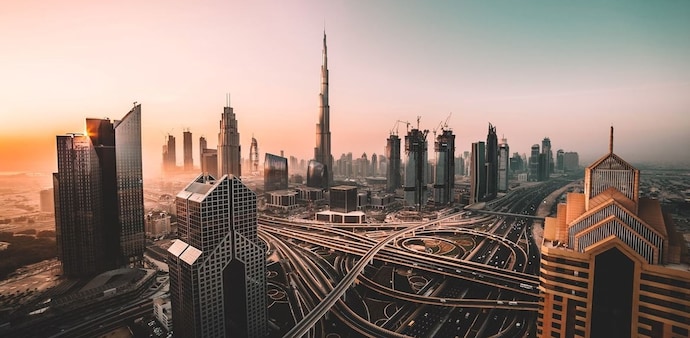
Popular districts such as Palm Jumeirah and Downtown Dubai, typically crowded with visitors and expatriates, are seeing fewer people in clubs, restaurants and late-night venues
- Mar 18, 2026,
- Updated Mar 18, 2026 12:21 PM IST
Dubai’s image as a safe global hub for tourism, nightlife and international business is being tested as the widening conflict in the Middle East begins to affect daily life and economic activity in the city.
The growing confrontation involving Iran, Israel and the United States is no longer confined to distant battle zones. Its effects are increasingly visible across the Gulf, with Dubai, one of the region’s most interconnected cities, starting to experience disruptions in travel, hospitality and financial markets.
The tensions intensified after coordinated strikes by the United States and Israel on Iranian targets earlier this year. In response, Iran has launched a wave of drone and missile attacks across the region. Some of these incidents have been linked to security alerts in the United Arab Emirates, with explosions reported over Dubai and air defence systems activated.
For a city that has long promoted stability and safety as core pillars of its global appeal, the developments have unsettled residents, tourists and investors alike.
Entertainment districts see fewer visitors
One of the earliest signs of the slowdown has emerged in Dubai’s nightlife and entertainment areas.
Popular districts such as Palm Jumeirah and Downtown Dubai, typically crowded with visitors and expatriates, are seeing fewer people in clubs, restaurants and late-night venues. Industry observers say footfall in some locations has fallen by as much as 40 percent.
Tourists and high-spending expatriates, who form a large share of Dubai’s nightlife economy, are either shortening their stays or postponing travel altogether.
Hotels and event organisers are also beginning to feel the impact, with some international conferences and gatherings being postponed as uncertainty grows.
Aviation disruptions spread across the Gulf
Air travel across the region has also been affected as security concerns grow.
Missile threats and drone activity have led to restrictions and closures in parts of the Gulf airspace. Airlines have responded by rerouting aircraft or cancelling flights, creating widespread disruption across major travel routes.
Dubai International Airport, one of the busiest global transit hubs, has faced intermittent operational challenges amid the evolving security situation. Authorities have also responded to reports of drone activity near sensitive infrastructure.
Several international airlines have temporarily suspended services to parts of the region while monitoring developments.
Economic effects begin to surface
The slowdown in tourism and travel is already beginning to show economic consequences.
Hotel occupancy levels have fallen, large events have been called off, and tourism, a cornerstone of Dubai’s economy, is facing increasing pressure. Analysts warn that the longer the instability continues, the greater the potential economic damage for the region.
Financial markets have also reflected the uncertainty. Dubai’s stock market has declined since the conflict escalated, highlighting investor caution and fears of capital moving to safer markets.
Dubai’s image as a safe global hub for tourism, nightlife and international business is being tested as the widening conflict in the Middle East begins to affect daily life and economic activity in the city.
The growing confrontation involving Iran, Israel and the United States is no longer confined to distant battle zones. Its effects are increasingly visible across the Gulf, with Dubai, one of the region’s most interconnected cities, starting to experience disruptions in travel, hospitality and financial markets.
The tensions intensified after coordinated strikes by the United States and Israel on Iranian targets earlier this year. In response, Iran has launched a wave of drone and missile attacks across the region. Some of these incidents have been linked to security alerts in the United Arab Emirates, with explosions reported over Dubai and air defence systems activated.
For a city that has long promoted stability and safety as core pillars of its global appeal, the developments have unsettled residents, tourists and investors alike.
Entertainment districts see fewer visitors
One of the earliest signs of the slowdown has emerged in Dubai’s nightlife and entertainment areas.
Popular districts such as Palm Jumeirah and Downtown Dubai, typically crowded with visitors and expatriates, are seeing fewer people in clubs, restaurants and late-night venues. Industry observers say footfall in some locations has fallen by as much as 40 percent.
Tourists and high-spending expatriates, who form a large share of Dubai’s nightlife economy, are either shortening their stays or postponing travel altogether.
Hotels and event organisers are also beginning to feel the impact, with some international conferences and gatherings being postponed as uncertainty grows.
Aviation disruptions spread across the Gulf
Air travel across the region has also been affected as security concerns grow.
Missile threats and drone activity have led to restrictions and closures in parts of the Gulf airspace. Airlines have responded by rerouting aircraft or cancelling flights, creating widespread disruption across major travel routes.
Dubai International Airport, one of the busiest global transit hubs, has faced intermittent operational challenges amid the evolving security situation. Authorities have also responded to reports of drone activity near sensitive infrastructure.
Several international airlines have temporarily suspended services to parts of the region while monitoring developments.
Economic effects begin to surface
The slowdown in tourism and travel is already beginning to show economic consequences.
Hotel occupancy levels have fallen, large events have been called off, and tourism, a cornerstone of Dubai’s economy, is facing increasing pressure. Analysts warn that the longer the instability continues, the greater the potential economic damage for the region.
Financial markets have also reflected the uncertainty. Dubai’s stock market has declined since the conflict escalated, highlighting investor caution and fears of capital moving to safer markets.